When a Hiding Spot Works Too Well
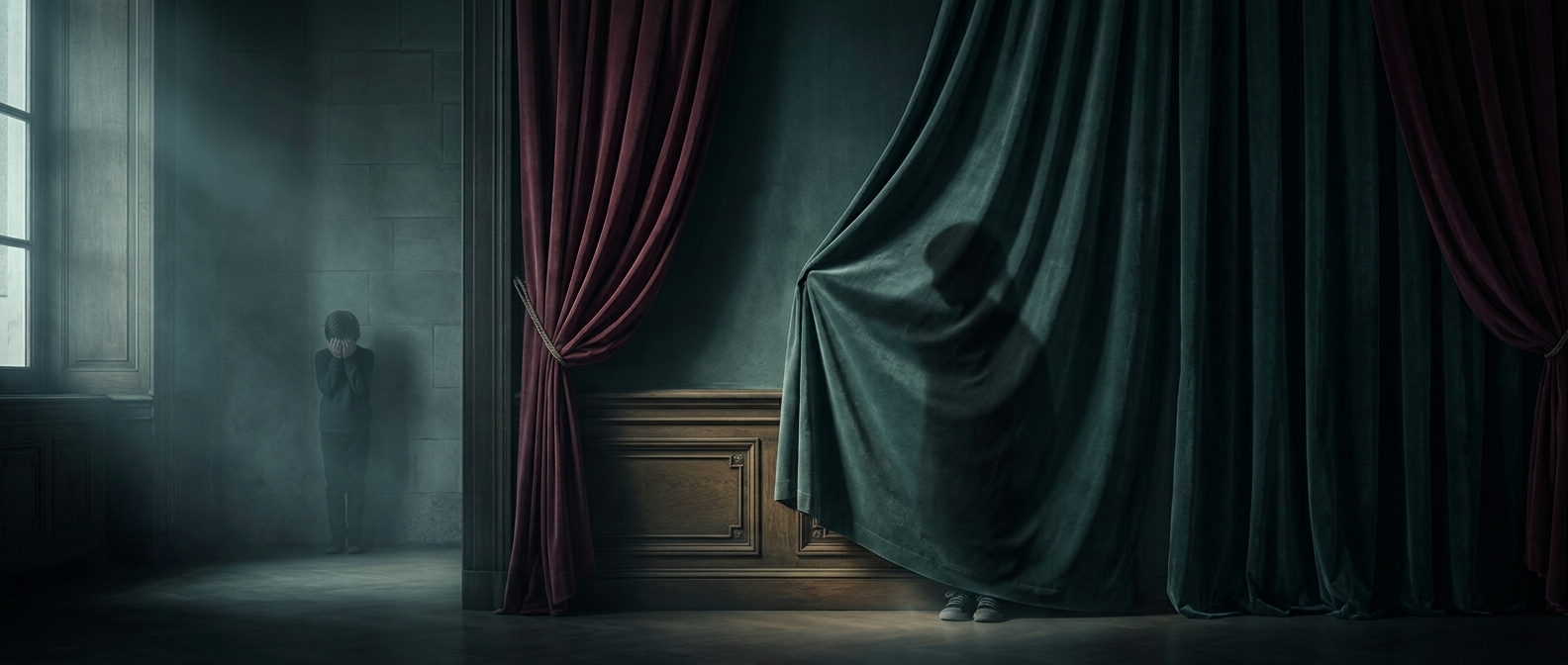
Hide-and-seek has two goals that can pull against each other: the hider wants not to be found, while the seeker needs enough chance of success to keep looking. A spot can satisfy the first goal so completely that it undermines the second. If the seeker gets no glimpse, sound, or other hint, searching stops feeling like a challenge and starts feeling pointless.
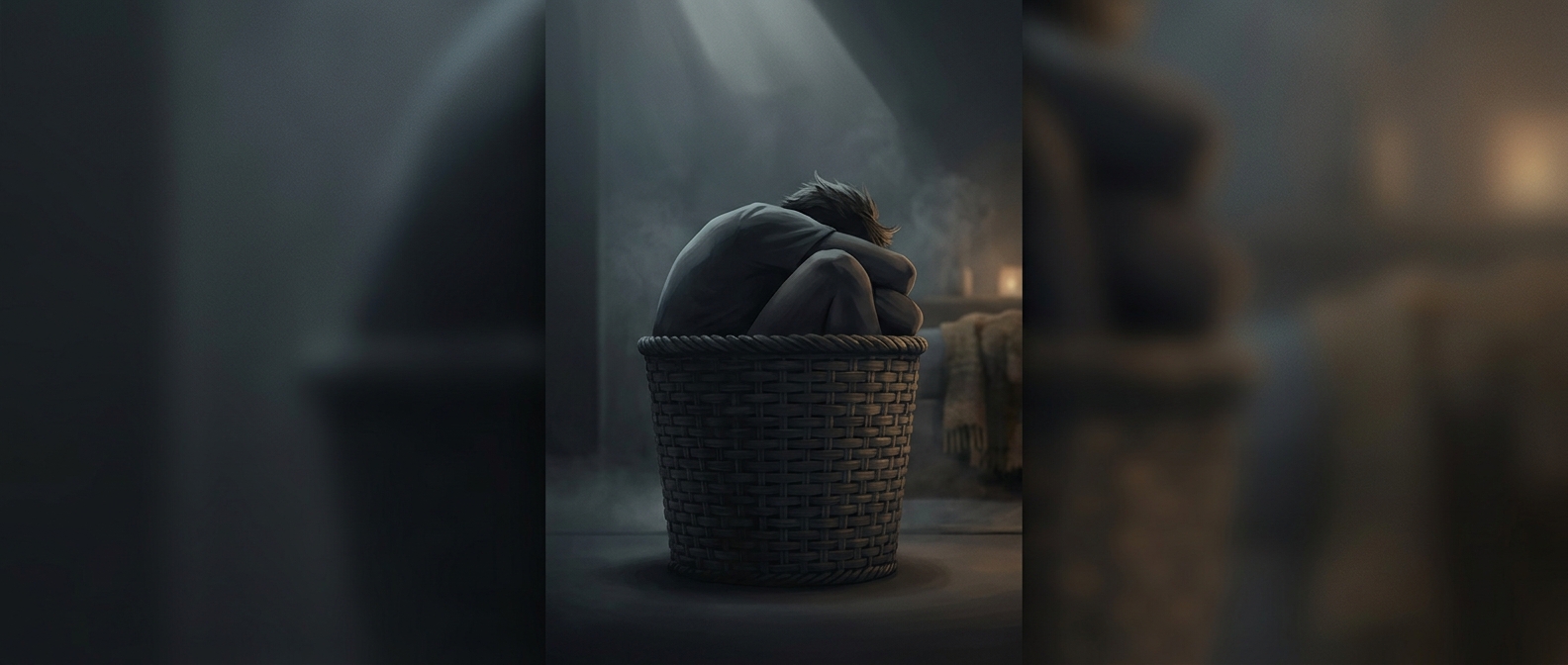
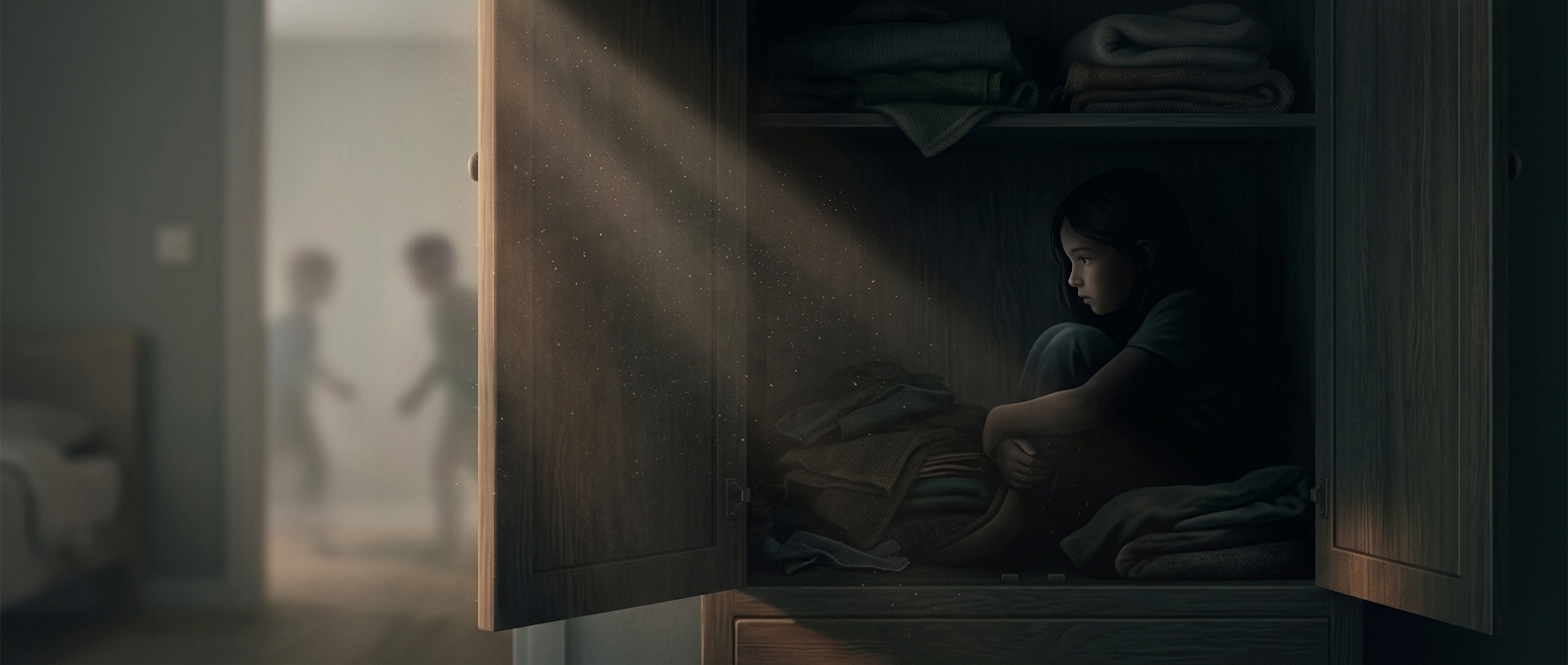
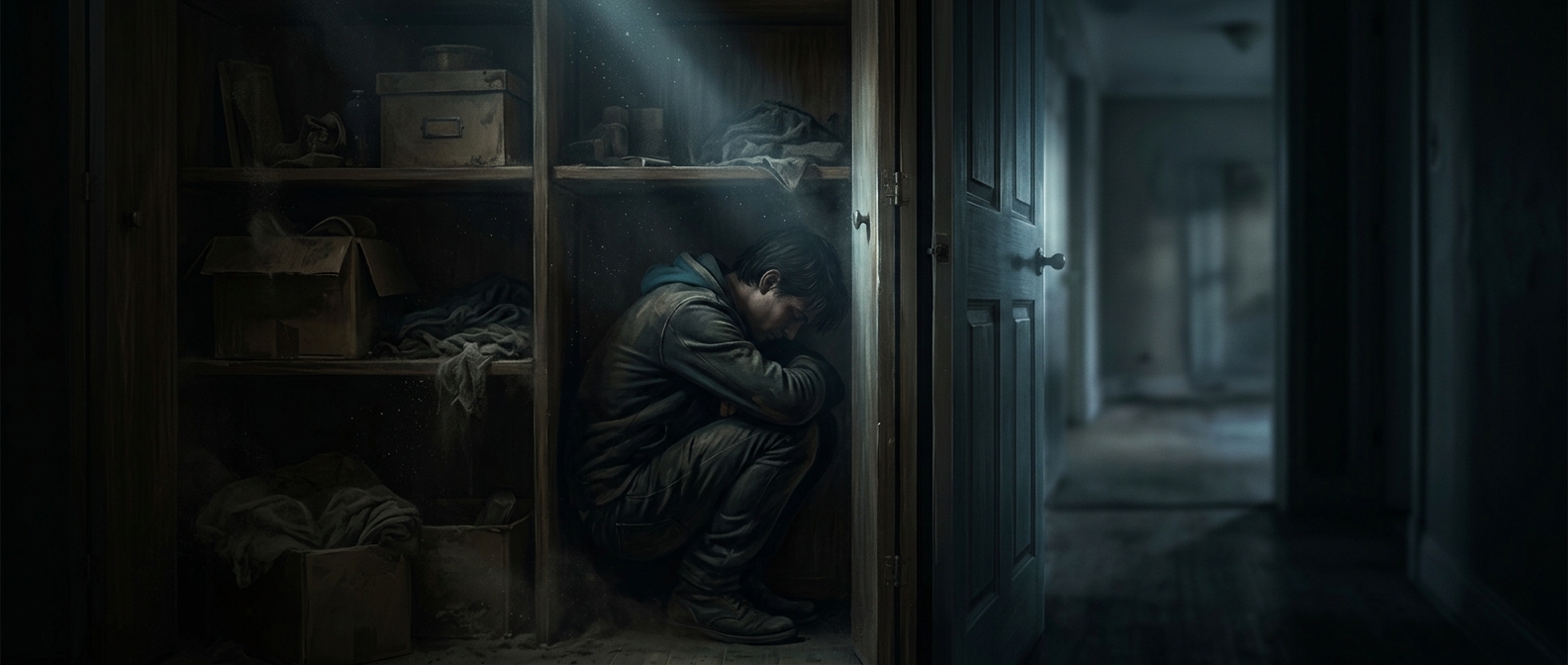
That is the strange cost of disappearing. The hider may be safe behind a dense row of winter coats, but the rest of the game is happening without them. The seeker can move on, the other players can lose interest, and the person in the “winning” spot is left waiting in the dark—possibly in a cramped position, too.
A Good Spot Keeps the Game Alive
The most satisfying hiding places usually offer concealment without making discovery impossible. A narrow gap, a noisy floorboard, or a hiding place that is hard to reach but not invisible can give the seeker something to work with. The hider still has an advantage, but the search can build toward a reveal rather than ending in an indefinite stalemate.
That balance is useful in designing games, too: hiding should reward cleverness, not simply remove a player from the experience. The best hiding spot is not always the one nobody can find. It is the one that keeps the chase—and the people playing—engaged.