Why a Good Hiding Place Can Become a Trap
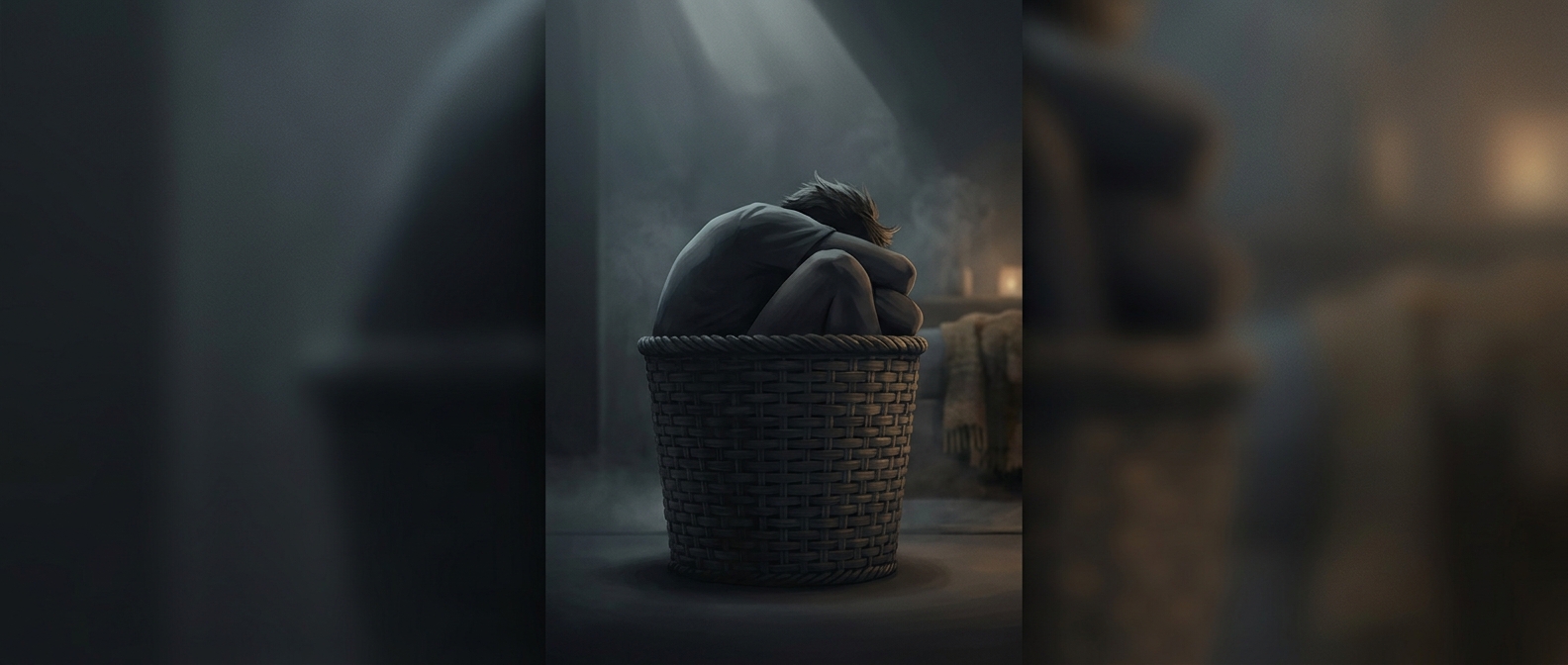
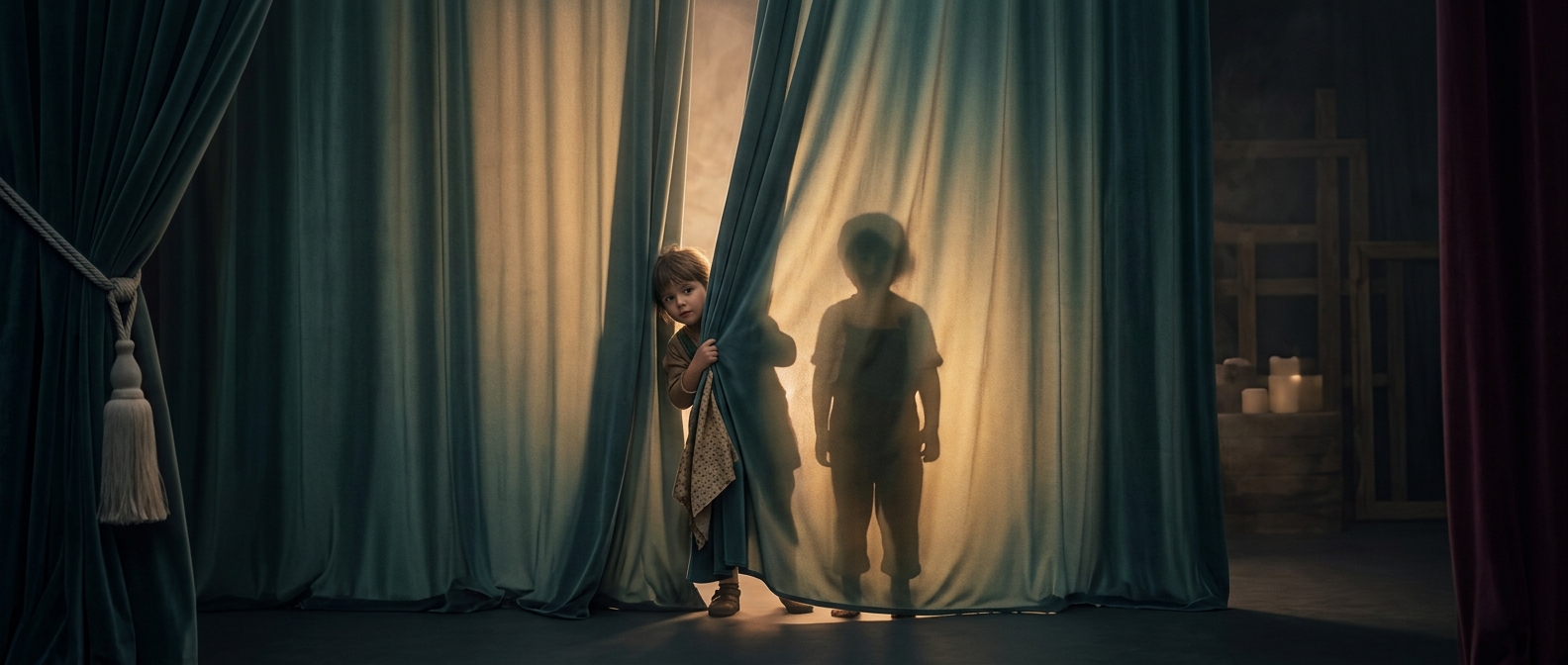
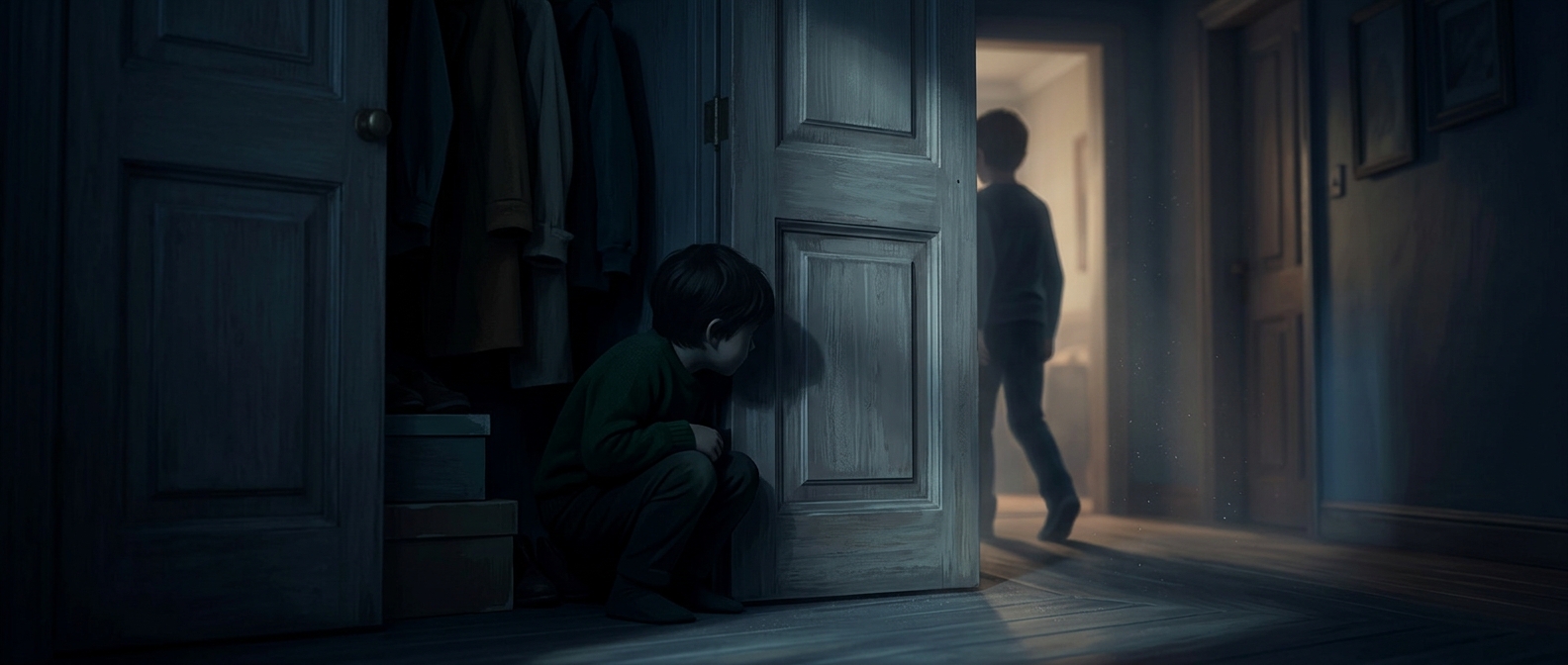
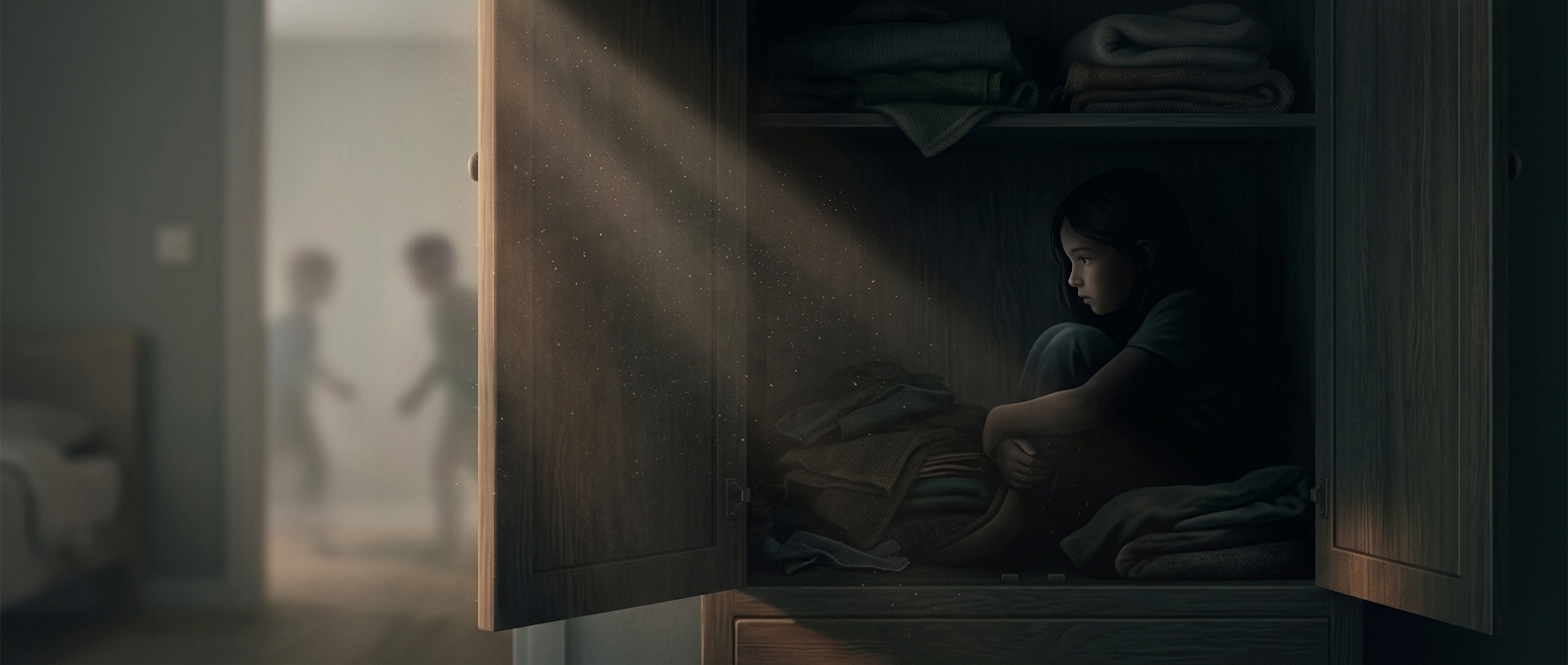
Hide-and-seek rewards children for finding places other players overlook. That can make an ordinary closet seem like a clever choice—but a hiding place is only safe if the child can get out easily and be found quickly.
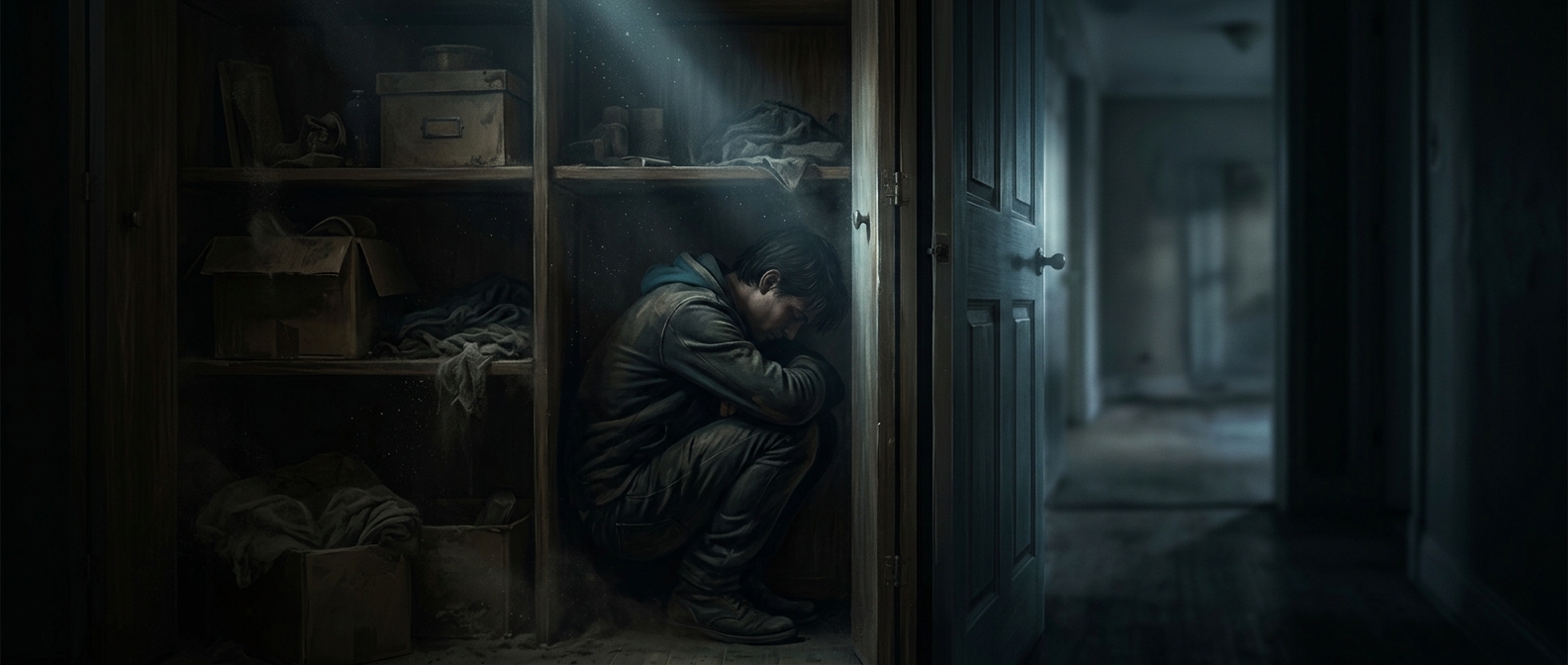
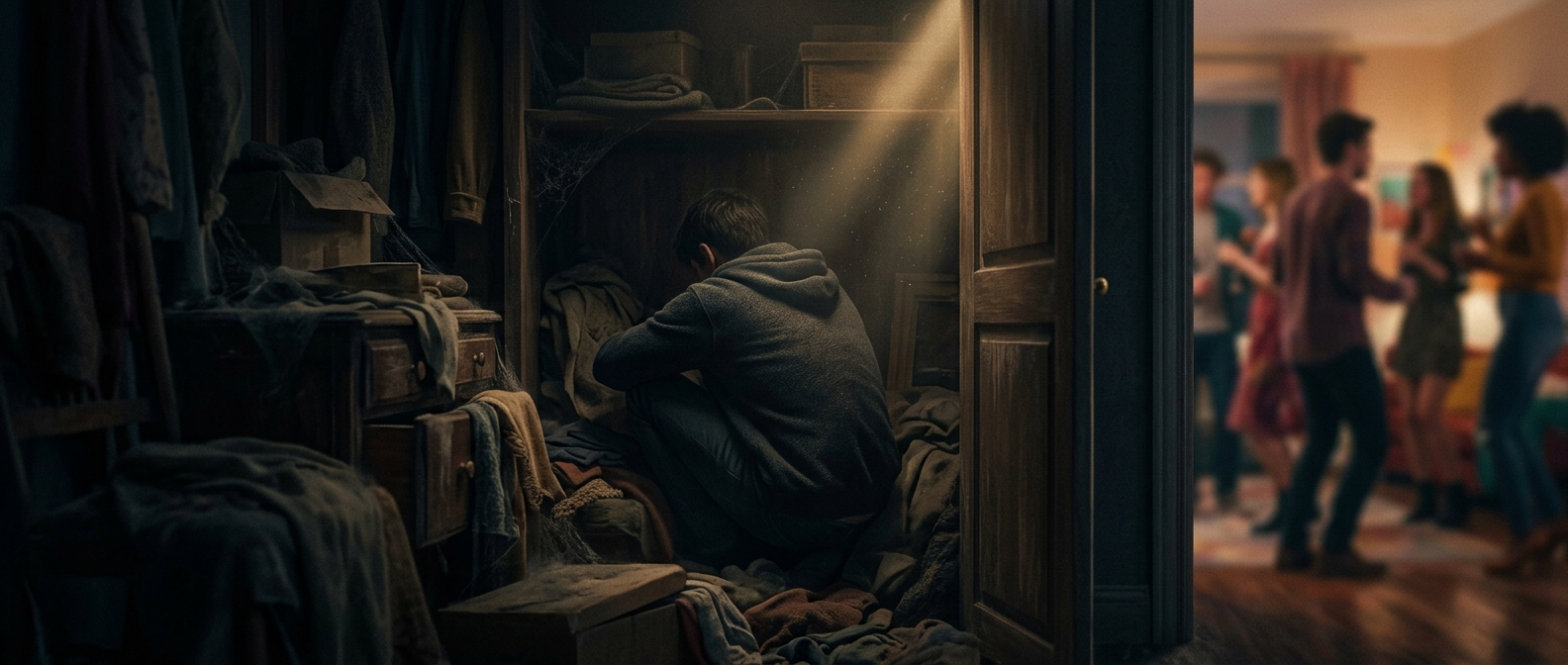
A closet packed with coats can hide a child from view while also making movement difficult. Sleeves and heavy fabric may cover the face, and a child wedged behind or beneath clothing may struggle to turn, push the door open, or call loudly enough to be heard. If breathing becomes difficult or fear sets in, even a short wait can feel much longer.
Make the Boundaries Part of the Game
The simplest safeguard is to agree on forbidden places before anyone starts counting. Closets, chests, appliances, locked rooms, and spaces near stairs or heavy objects are poor hiding spots. A grown-up can also set a time limit and make sure every child is accounted for when the round ends.
That changes the challenge without taking away the fun: players have to outwit one another using places that remain visible, accessible, and easy to check. In a game built around being overlooked, the important rule is that no one should be impossible to reach.