The Story That Made Rasputin Seem Impossible to Kill
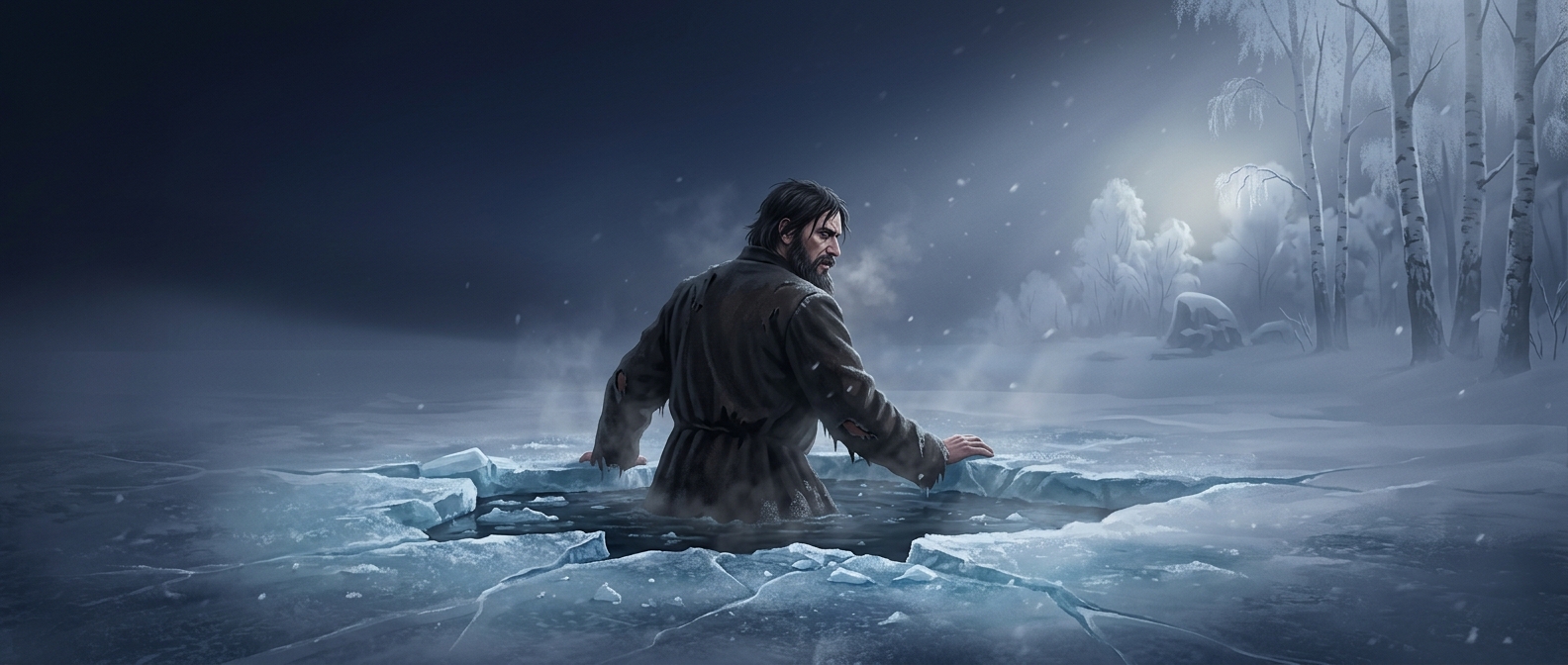
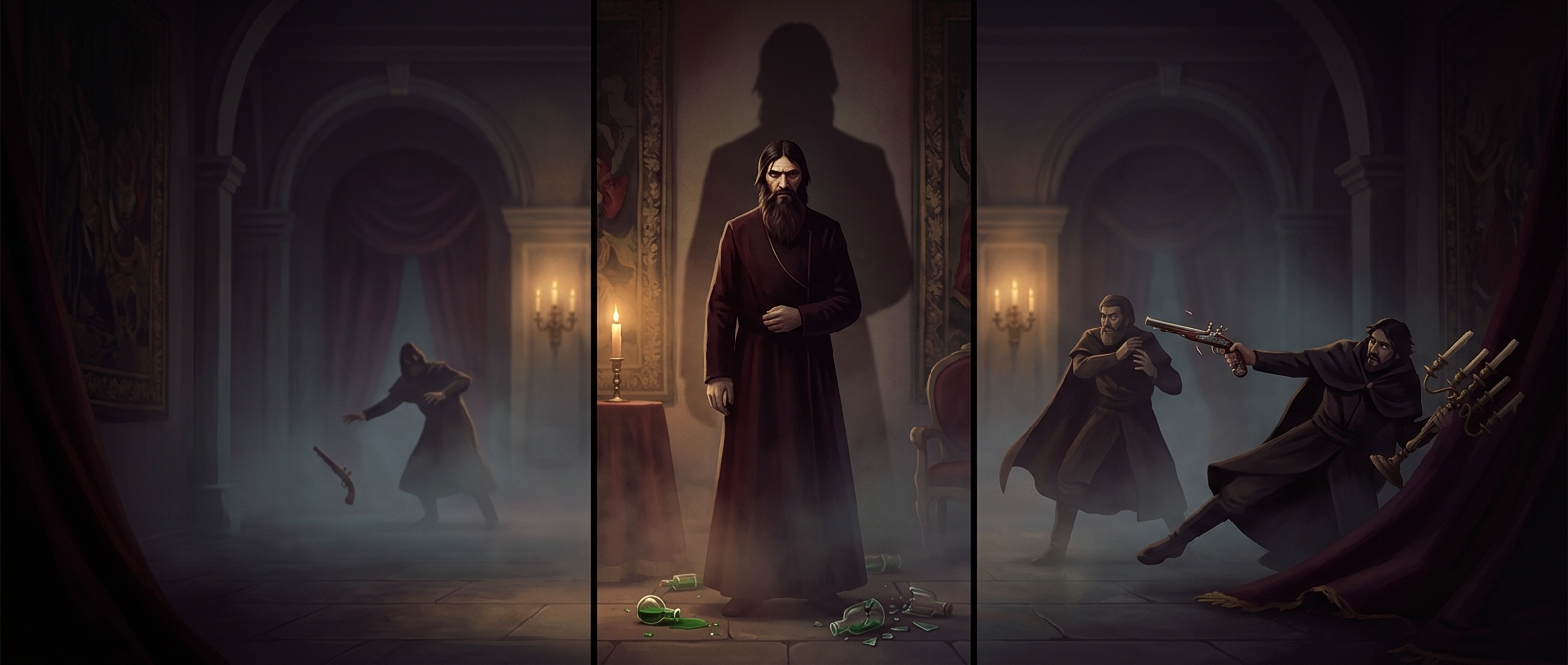
The dramatic account of Grigori Rasputin’s death comes largely from accounts by people involved in the plot, especially Prince Felix Yusupov. In that telling, conspirators poisoned Rasputin at a palace gathering, shot him when the poison seemed ineffective, and finally threw him into the icy Neva River. The sequence turned a political murder into a story of almost supernatural toughness.
But the details are not equally secure. Rasputin was shot and his body was recovered from the river; the poison, beating, and apparent survival of multiple attacks belong to a contested narrative, not a settled medical record. Later retellings often present the whole sequence as fact, even though the most vivid version came from a participant with reason to shape the story.
What the River Can—and Cannot—Tell Us
A body found in water does not by itself establish that drowning caused death. Rasputin’s autopsy has been described as indicating that he died from gunshot wounds, while claims that it proved he drowned—or died of hypothermia—are not a firm basis for repeating the legend as certainty. Hypothermia is the dangerous cooling of the body; cold water can cause it, but the historical record does not make it possible to confidently assign that as the cause here.
That uncertainty matters because the legend’s power depends on its order: poison fails, bullets fail, and only the river finishes the job. The more cautious account is less theatrical but more revealing: Rasputin’s killers helped create a story that made their victim seem unnaturally difficult to kill.