A specimen is not its story
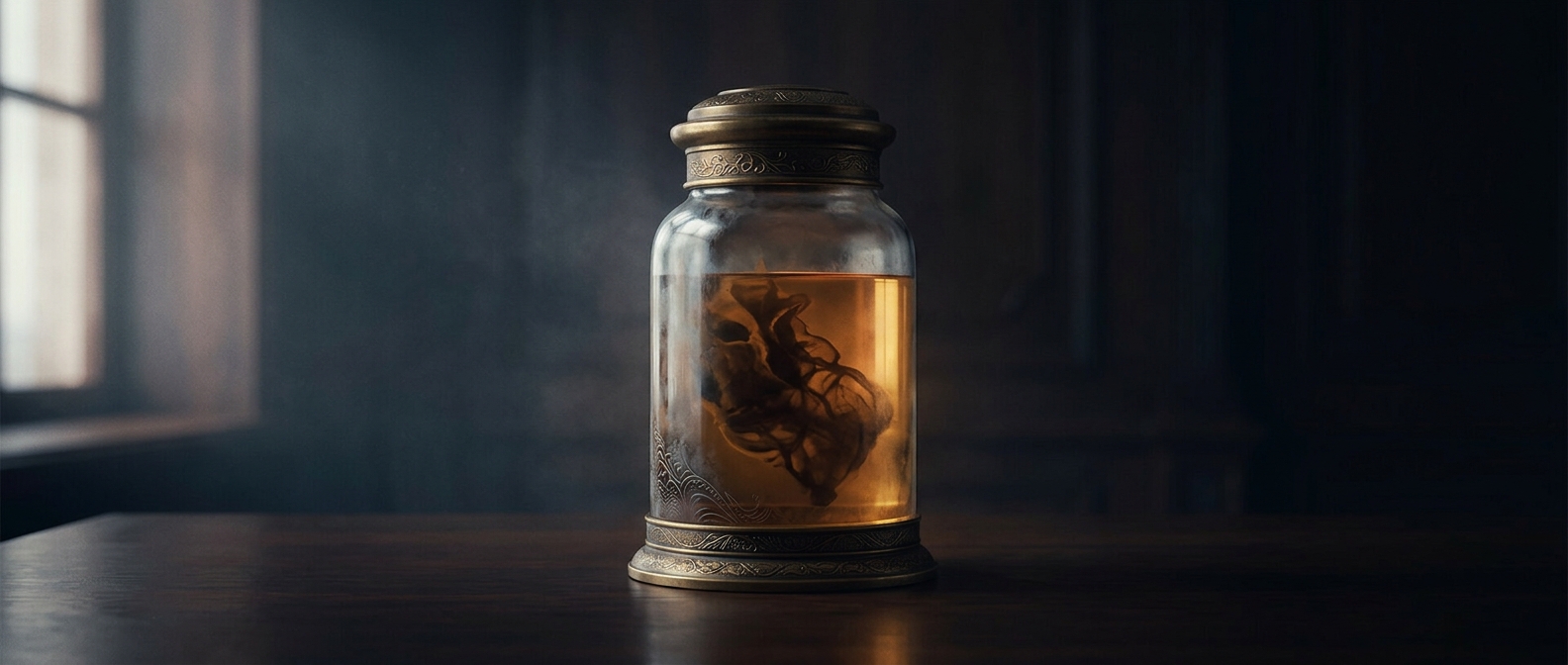
A preserved object can be real while the identity attached to it remains uncertain. To establish that a relic belonged to a particular person, curators would need more than a label or a repeated tale: they would need a credible record tracing the object from its source to the museum. Without that chain of custody, the claim is difficult to verify, especially for an item that has circulated as a curiosity.
Why a sea creature enters the story
Sea cucumbers are soft-bodied marine animals with long, often cylindrical forms. Once preserved, their appearance can be unfamiliar and easy to misread. That makes one a plausible alternative explanation for a specimen presented as human anatomy—but resemblance alone cannot identify what is in the jar. A confident answer would require examination of the specimen itself, not just its appearance in a display.
Rasputin’s extraordinary reputation has helped make objects associated with him compelling, but notoriety is not evidence of ownership. The jar’s most solid claim may be that it preserves a striking specimen; the story of whose it was is a separate question.