From a Label to a Name
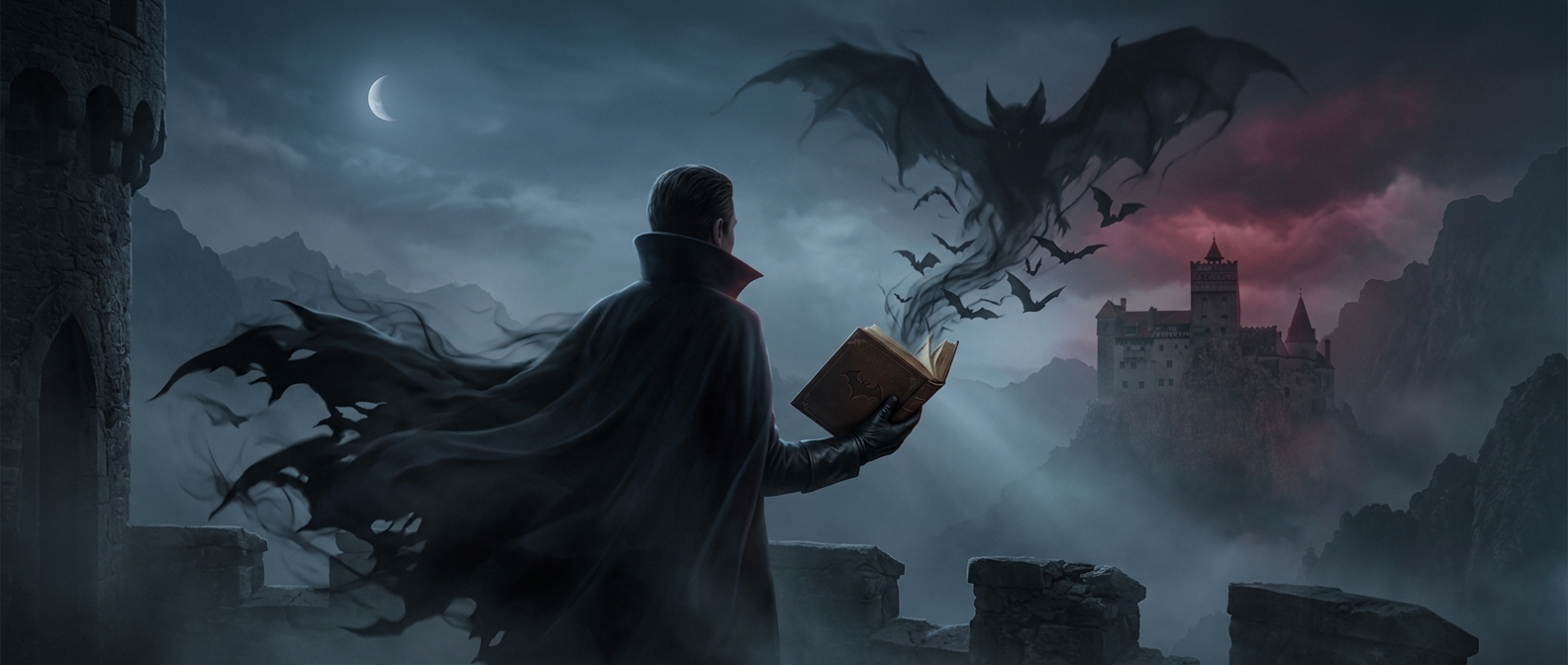
In Bram Stoker’s early notes, the vampire was called Count Wampyr—a name that nearly explains the character before the story begins. “Wampyr” is a form of “vampire,” so it works like a category label: the reader knows what kind of creature the count is, but not much about who he is.
“Dracula” does different work. It sounds like a personal name, giving the monster a distinct identity rather than simply naming his supernatural type. The change makes the character feel less like an example of a familiar legend and more like a particular figure with a history beyond the page.
What the Change Does for the Story
That distinction matters in horror. A generic label points toward the expected: a vampire and the conventions attached to one. A proper name invites questions—where the count comes from, what his past might be, and why he has arrived in the story. It gives Stoker room to make the threat feel individual and rooted in a larger world, not merely a creature to be recognized.
The notes show that the famous name was not the starting point. Stoker moved from a blunt description to a name that could carry the character’s identity across the novel. The change turned “the vampire” into Dracula.