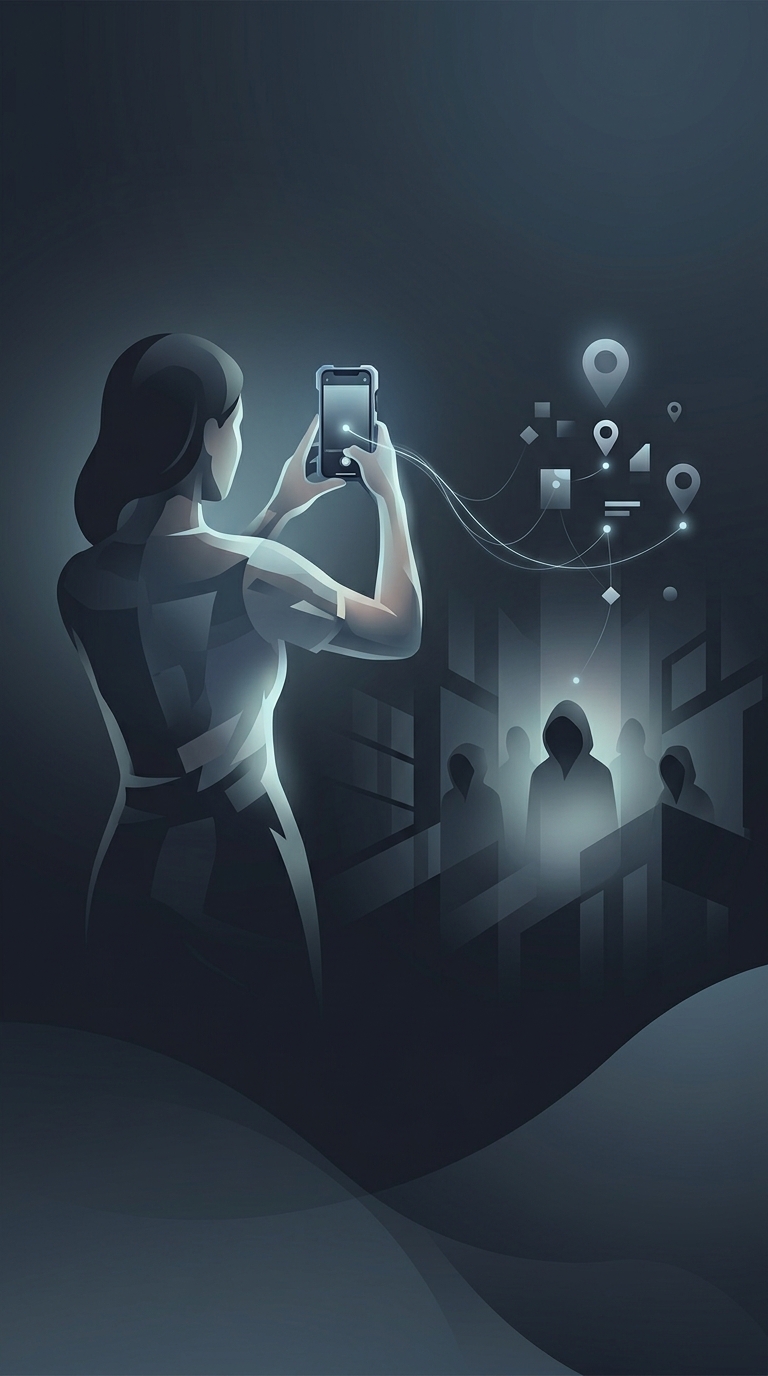
A face scan is usually a measurement, not a photograph
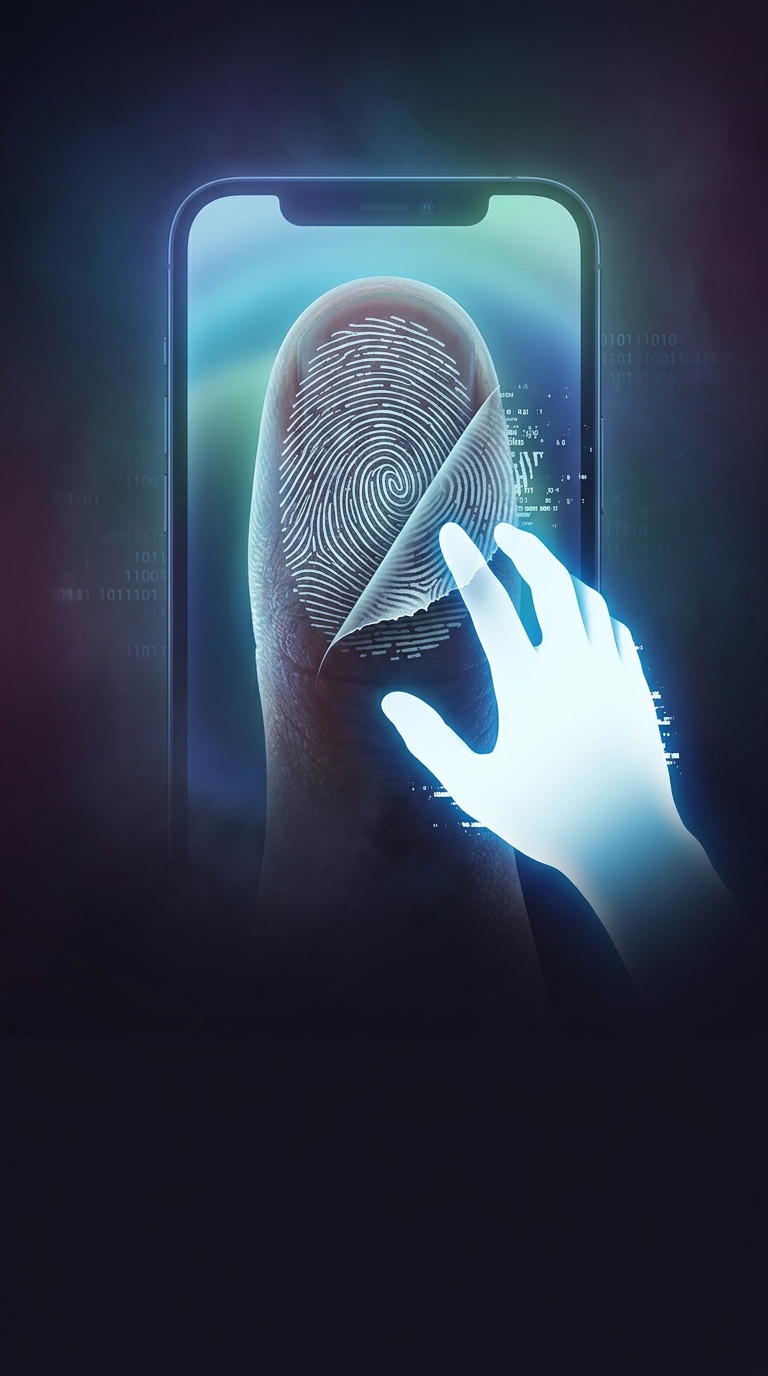
A biometric system typically converts a face or fingerprint into a template: a mathematical representation of selected features. When you try to unlock a device, it measures you again and compares the new template with the stored one. Because cameras, lighting, poses, and sensors vary, the system usually allows a close-enough match rather than requiring identical data.
That design helps explain why a leaked template is not always a ready-made picture or a perfect copy of someone’s face. But it is still sensitive data. Depending on how it was made and protected, it may reveal information about the person, help an attacker test imitations, or make it easier to link the same person across systems.
Why a leak is hard to undo
A password can be replaced because it is a secret you know. A face or fingerprint is a trait you carry. If a biometric record is exposed, changing the lighting, growing a beard, or using another finger may not reliably erase the underlying matchable features. And unlike a password, a body trait may be visible or left behind in ordinary life.
The danger is not simply that someone can “steal your face.” It is that a compromised biometric can weaken future identity checks, especially if the same trait or related data is used by multiple services. A breach can therefore create a long-lived problem: the affected person may have to rely on other safeguards without being able to replace the original identifier.
Protection has to happen before the match
Systems can reduce risk by keeping biometric data on a user’s device, encrypting it, limiting who can access it, and avoiding unnecessary collection. Some designs use revocable templates—transformed representations that can be replaced if compromised—though this does not change the person’s actual face or fingerprint. Biometrics are strongest as one part of security, paired with controls that can be changed, such as a device-bound credential or a separate verification step.
The practical consequence is that a biometric should be treated less like a disposable password and more like a durable identifier: useful for convenience, but costly to expose.