Why an airbag has to open so violently
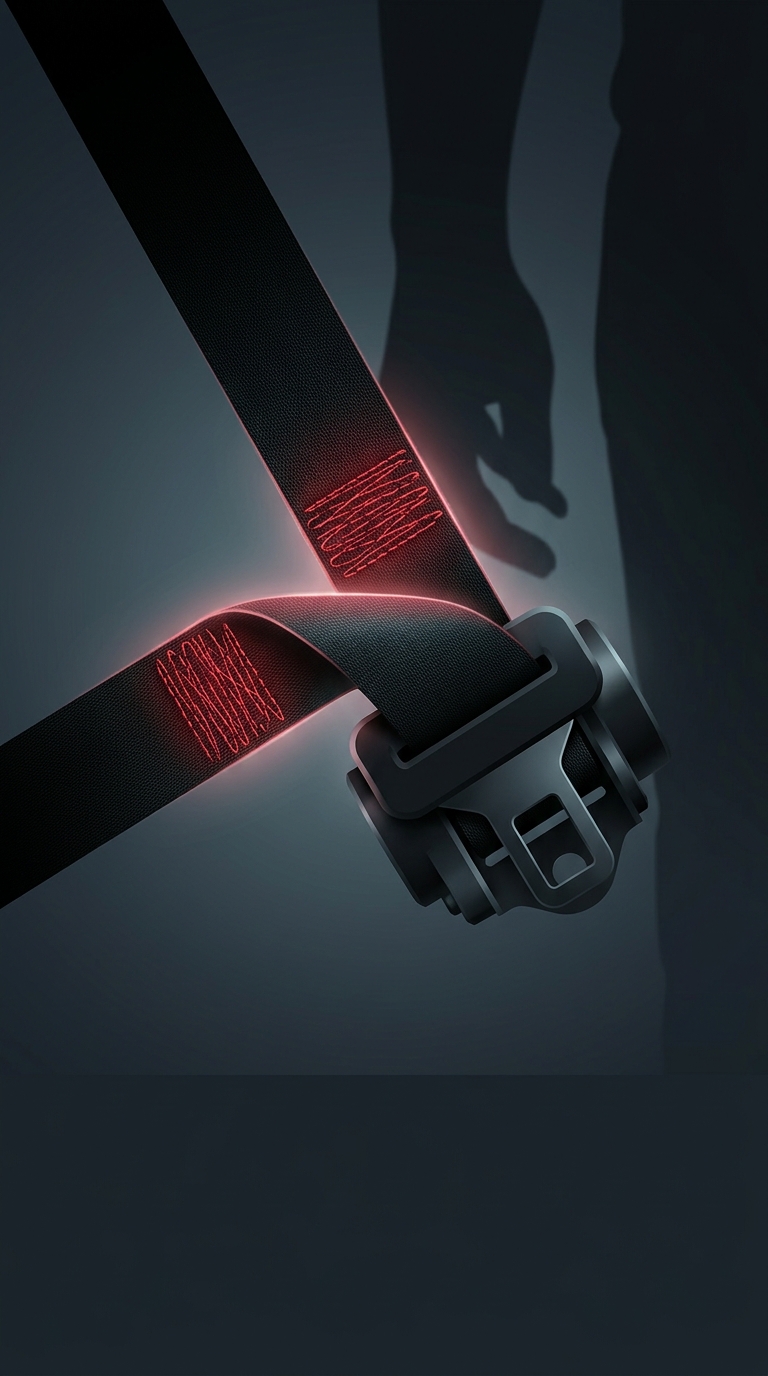
In a sudden crash, the car can stop before the people inside do. A belted occupant keeps moving forward until the seat belt, dashboard, steering wheel—or airbag—slows them. The airbag’s job is to provide a broad, padded surface before the occupant reaches hard interior parts. That leaves almost no time for a gentle, gradual inflation.
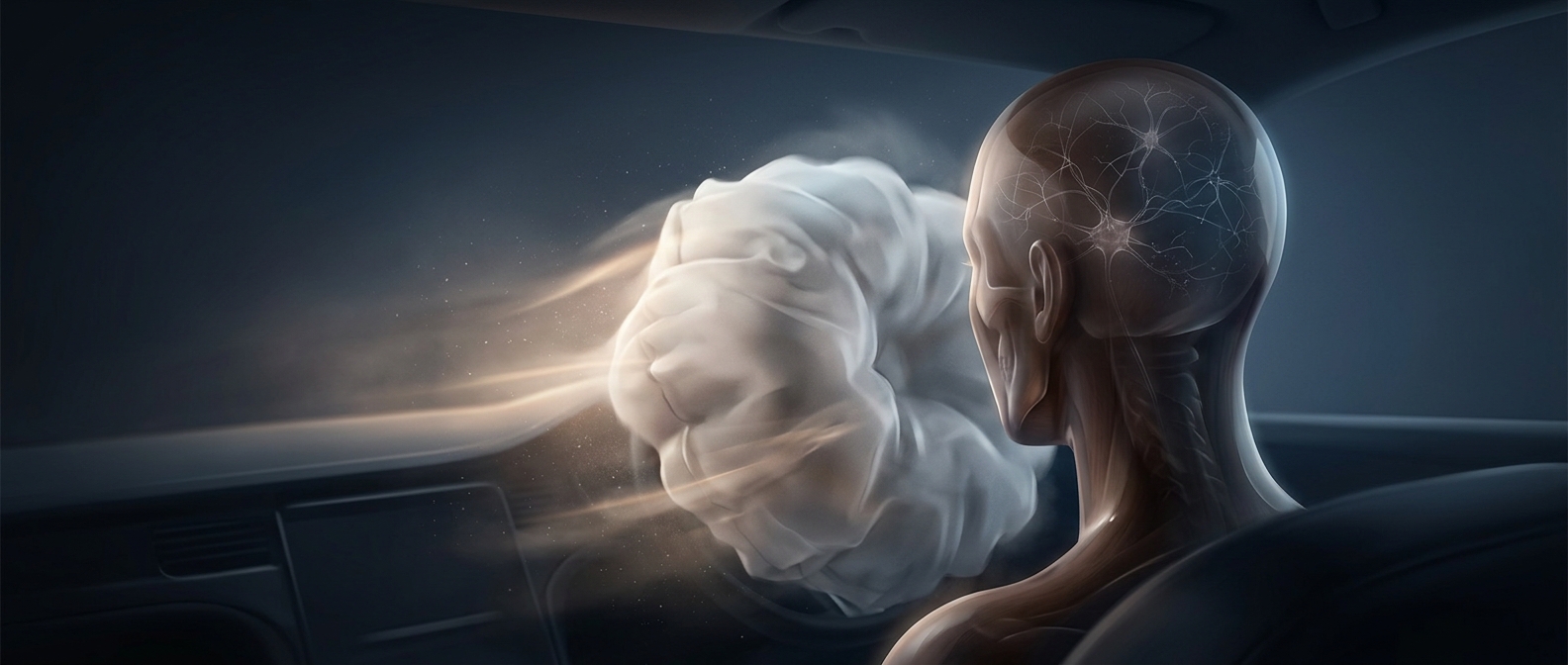
Crash sensors detect a rapid change in the car’s motion and signal an inflator. The inflator rapidly produces gas, unfolding the tightly packed fabric into the space in front of the occupant. The bag’s speed is part of its safety design: if it opened too slowly, the person could reach the steering wheel or dashboard first.
The cushion works by giving way
An airbag is not meant to stay rigid like a pillow. As the occupant presses into it, gas escapes through openings in the fabric. That controlled venting lets the bag yield while spreading the force of the impact over a larger area and a little more time. The restraint is doing its job not by stopping the body instantly, but by slowing it more gradually.
That also explains why deployment is not harmless in itself. An airbag opens with considerable force, so sitting very close to it can expose someone to the bag before it has fully inflated and begun to soften. Seat belts help keep occupants in a safer position and share the work of restraining them; airbags are designed to work with belts, not replace them.
The striking tradeoff is that a restraint must arrive fast enough to meet a moving person, then become soft enough to let that person land on it. Its brief, explosive opening is what makes the slower, cushioned stop possible.