A feast turned into a royal trap
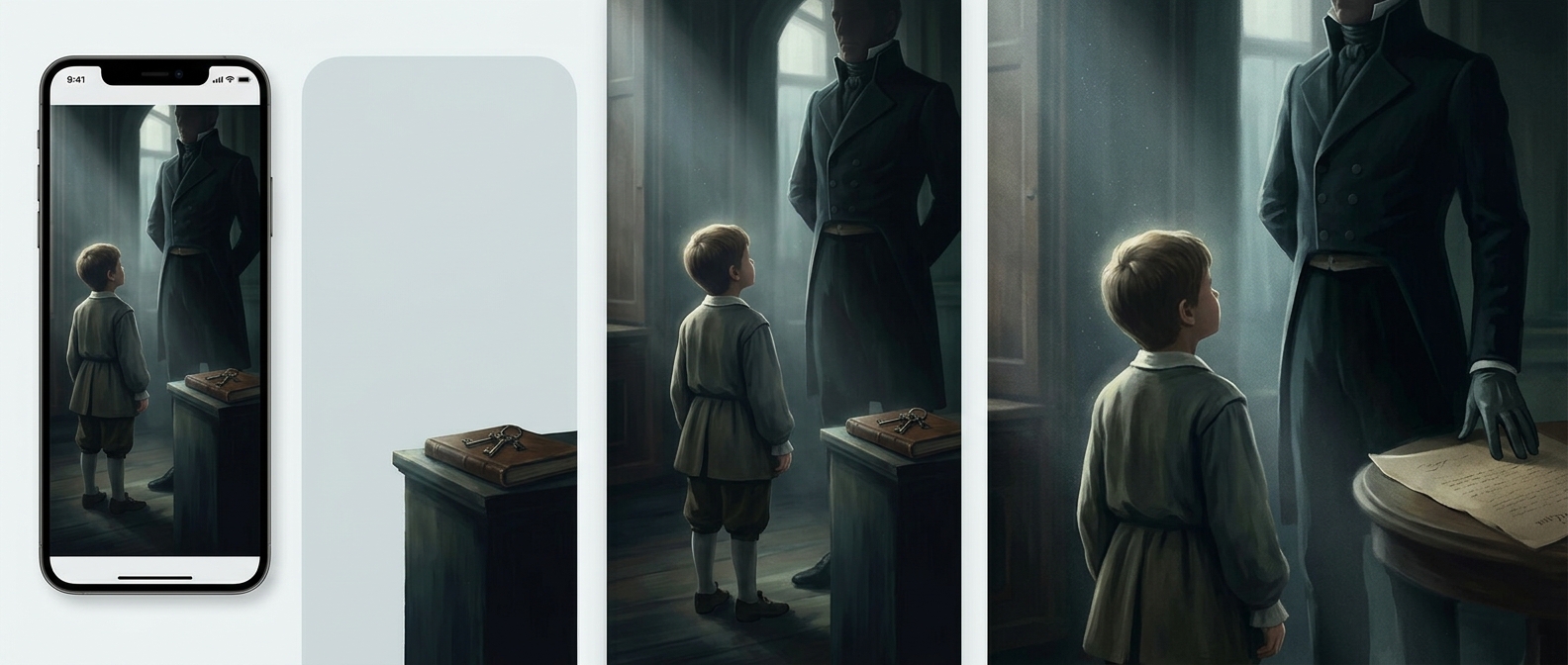
In 1440, Scotland’s young king, James II, was at the center of a violent power struggle. The 16-year-old Earl of Douglas and his younger brother, David, were invited to dine at Edinburgh Castle. The king was only 10, and powerful advisers governed in his name. The meal offered a setting in which the boys could be separated from the protection their family might otherwise have provided.
After the feast, the brothers were accused of treason and subjected to a sham trial—a proceeding staged to give a decision already made the appearance of law. They were executed. Their deaths became known as the “Black Dinner.”
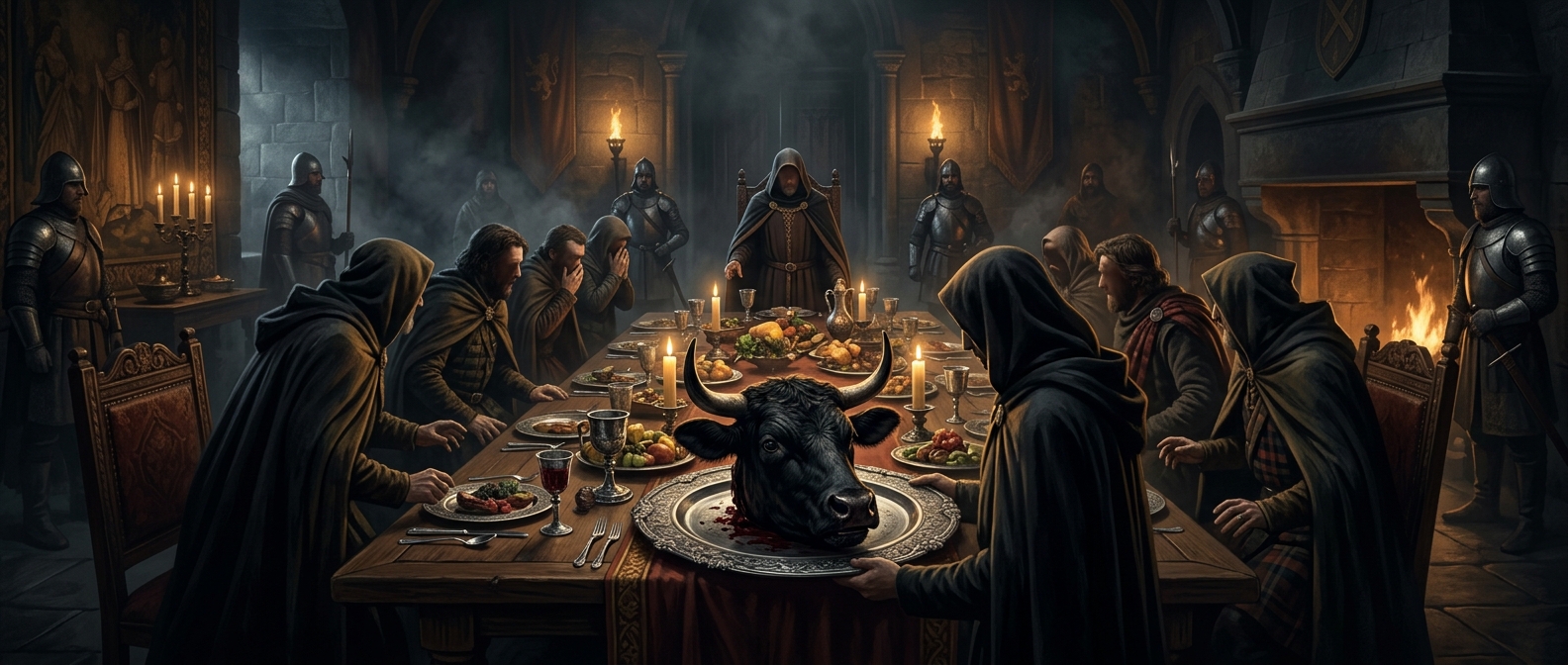
The bull’s head made the threat visible
Before the execution, a black bull’s head was brought in. In Scottish tradition, it signified death. It was not a verdict or a legal charge; it was a public signal that the guests’ fate had been decided. The gesture turned a private act of political violence into a deliberately unmistakable warning.
The contrast mattered: a formal accusation could make the killings look like justice, while the symbol and the setting revealed the coercion beneath that claim. The trial supplied a thin legal cover; the bull’s head communicated what the proceedings could not conceal.
A family feud with lasting consequences
The killings struck at the power of the Douglas family, one of Scotland’s most influential noble houses. Rather than ending that rivalry, the executions deepened it, helping drive further conflict between the crown and the Douglases. The dinner’s enduring place in Scottish history comes from that collision of ceremony and force: the victims were summoned as guests, but the ritual announced that hospitality offered no protection.