A hunt that began with the wrong kind of rabbit
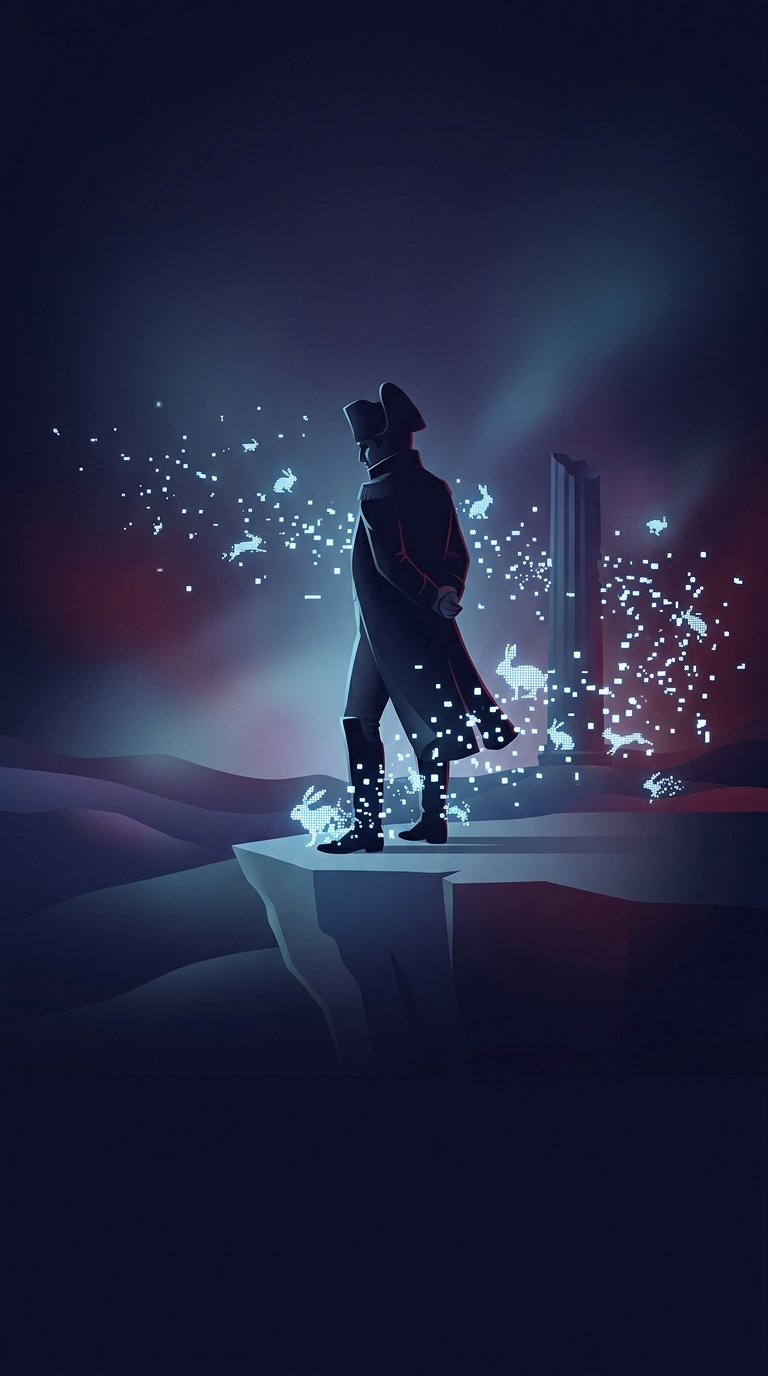
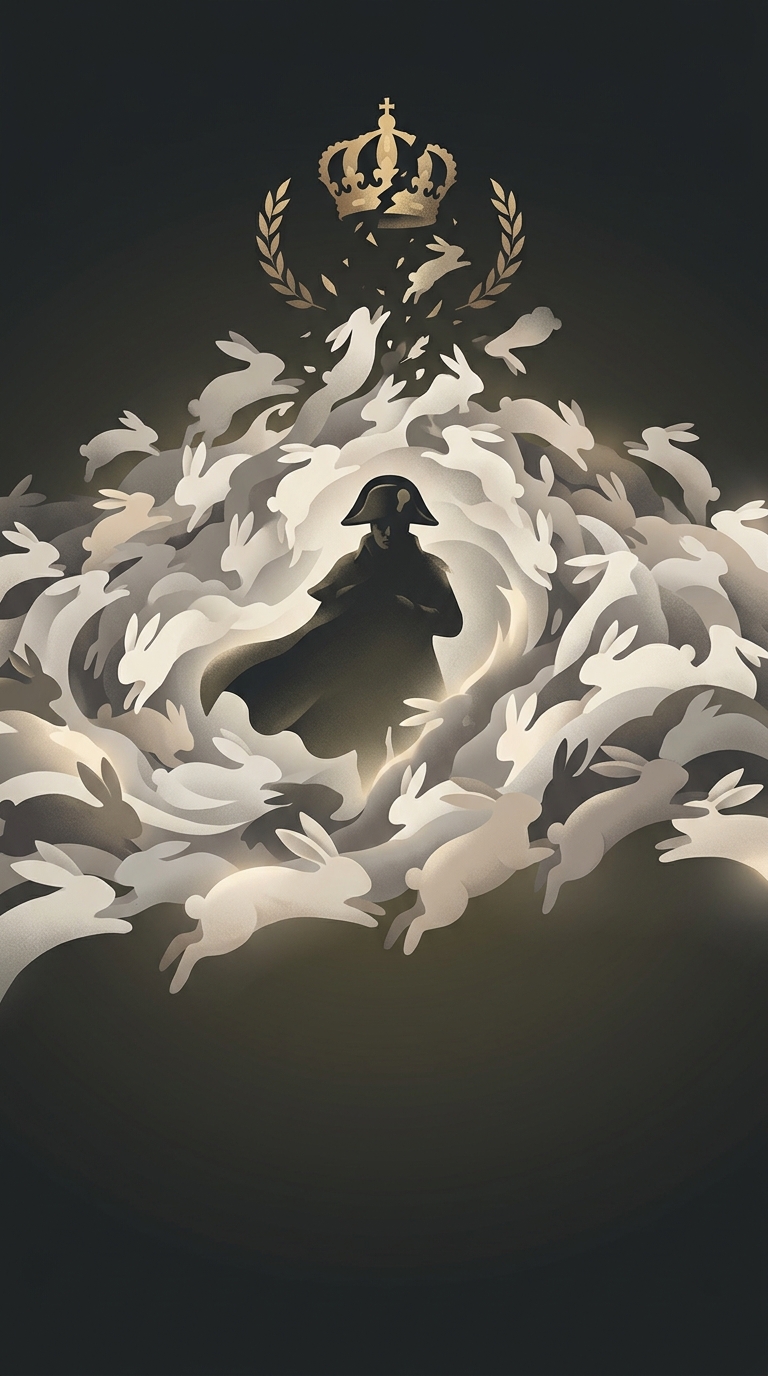
The plan depended on a simple assumption: release the rabbits, and they would scatter into the countryside, giving the hunters moving targets. But these were farm-raised animals accustomed to people, not wild rabbits reacting to a sudden threat. Instead of treating the approaching party as danger, they moved toward it.
That reversal is the key to the story. A rabbit’s response depends partly on what it has learned to expect. Wild animals generally flee unfamiliar people; domesticated animals may be less wary, and can approach when human presence has been associated with feeding or routine handling. In a mass release, that familiarity turned the intended escape into a rush toward the hunters.
The cost of mistaking tame for huntable
The chief of staff’s purchase solved one problem—getting thousands of animals together—but not the practical problem of making them behave like quarry. “Quarry” means animals pursued in a hunt. The organizers had prepared a large supply of rabbits without accounting for the difference between animals raised around people and animals that would instinctively flee them.
For Napoleon, the result was not a quiet afternoon of shooting at retreating targets. The hunters became the focus of the animals’ movement, and the planned spectacle unraveled before it could work as intended. The memorable lesson is less about a rebellious rabbit army than about a basic mismatch: the hunt required fear, while the animals’ experience had taught them familiarity.