Why put servers underwater?
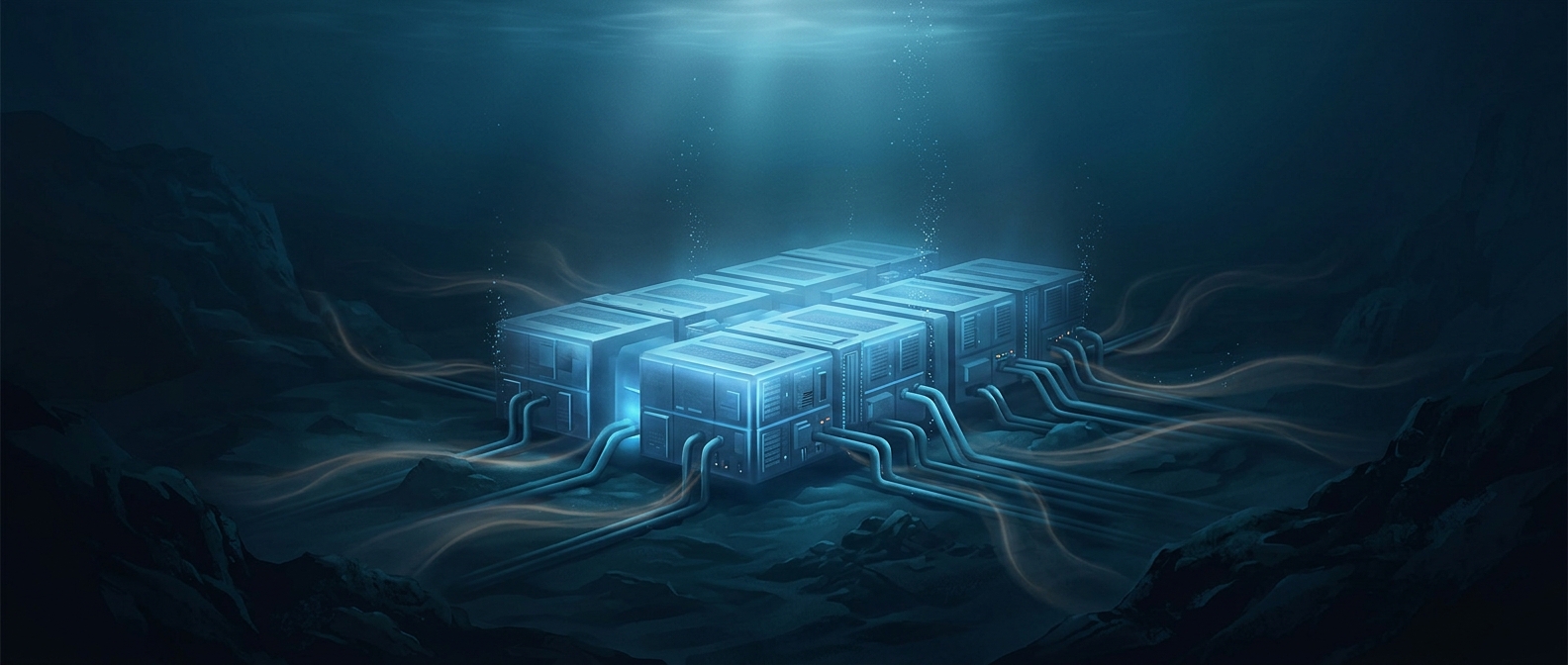
A data center is essentially a large collection of computers that must run continuously while staying cool and protected from moisture, dust, and accidental damage. Project Natick tested whether a sealed container on the seabed could provide a stable environment for those machines—and use the surrounding ocean to carry heat away.
In 2018, the experiment submerged a pod containing 864 servers to a depth of 117 feet. The pod was sealed and filled with nitrogen rather than ordinary air. Nitrogen does not support rust in the way oxygen does, and keeping the interior isolated also limits the contaminants and humidity that can reach the equipment.
Fewer failures, with a tradeoff
The reported server failure rate was one-eighth that of land-based data centers. The result was attributed to the nitrogen atmosphere and the absence of on-site engineers. That second factor may seem surprising: people are essential to building and maintaining data centers, but routine human access can also introduce dust, temperature changes, and small disturbances. A sealed pod avoids those everyday interventions while it operates.
The design shifts the challenge rather than eliminating it. If a server fails underwater, technicians cannot simply walk in and replace it; the pod must be recovered or serviced through a more involved process. That makes reliability especially valuable, but also makes long-term maintenance and retrieval important parts of the engineering problem.
The experiment’s central lesson was practical: a tightly controlled environment can reduce some common sources of hardware failure, even when reaching the machines becomes much harder.