What Lets the Outer Ear Bend and Rebound
The firm framework of the outer ear, or pinna, is made largely of elastic cartilage. Its supporting tissue contains elastin, a springy protein, woven through a tougher collagen framework. When the ear bends, those fibers stretch and shift; when the force is removed, they help the cartilage return toward its usual shape.
That structure makes the pinna more pliable than the cartilage in places such as the nose. The earlobe is different: it has no cartilage and is mostly soft tissue, so it bends for another reason.
Springy Does Not Mean Indestructible
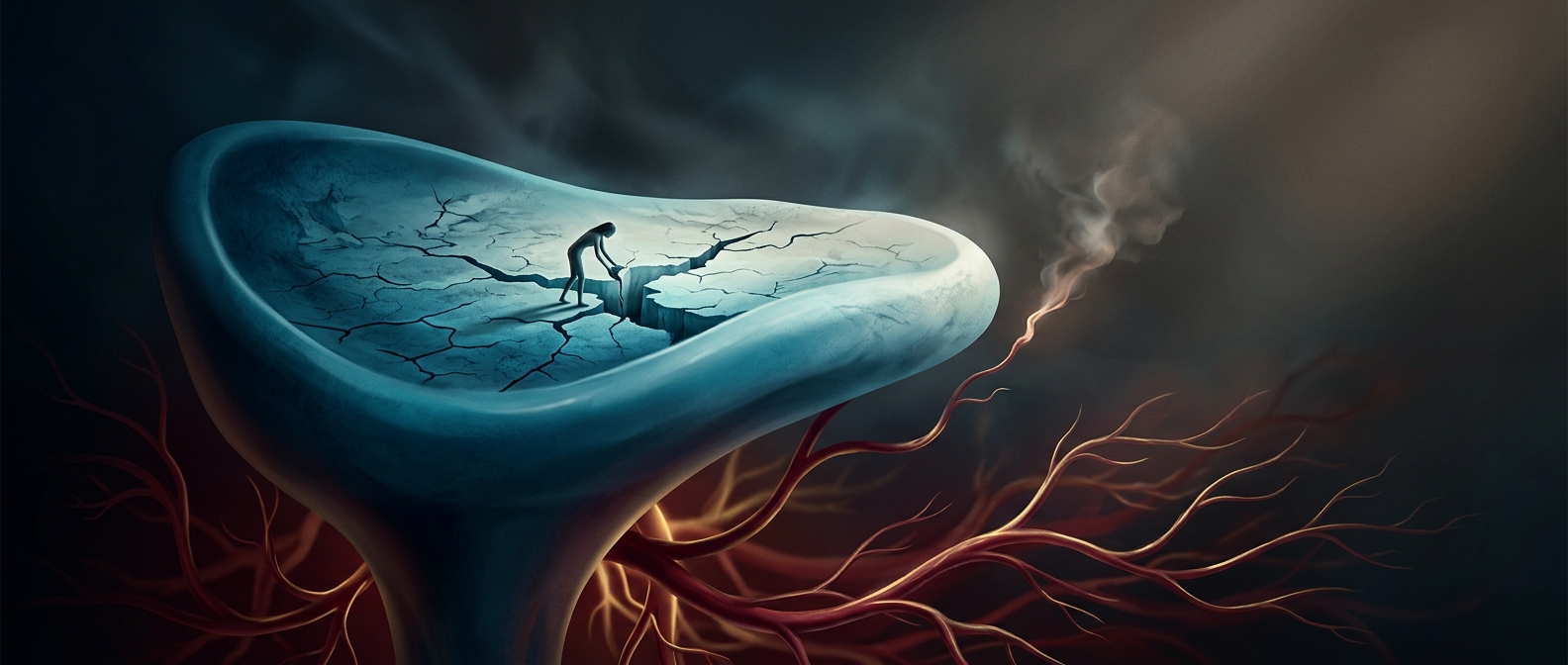
“Elastic” describes how the tissue responds to ordinary bending, not a guarantee that it will always recover perfectly. A hard impact, repeated pressure, or a cut can damage the cartilage or its covering, and swelling can interfere with its blood supply. Because cartilage has limited blood flow, serious damage may heal poorly and leave a lasting change in shape.
The useful distinction is simple: an ear can flex because its cartilage has spring-like fibers, but that flexibility has limits. A gentle fold usually rebounds; a forceful injury can overwhelm the framework and make the change persist.