Two very different things being priced
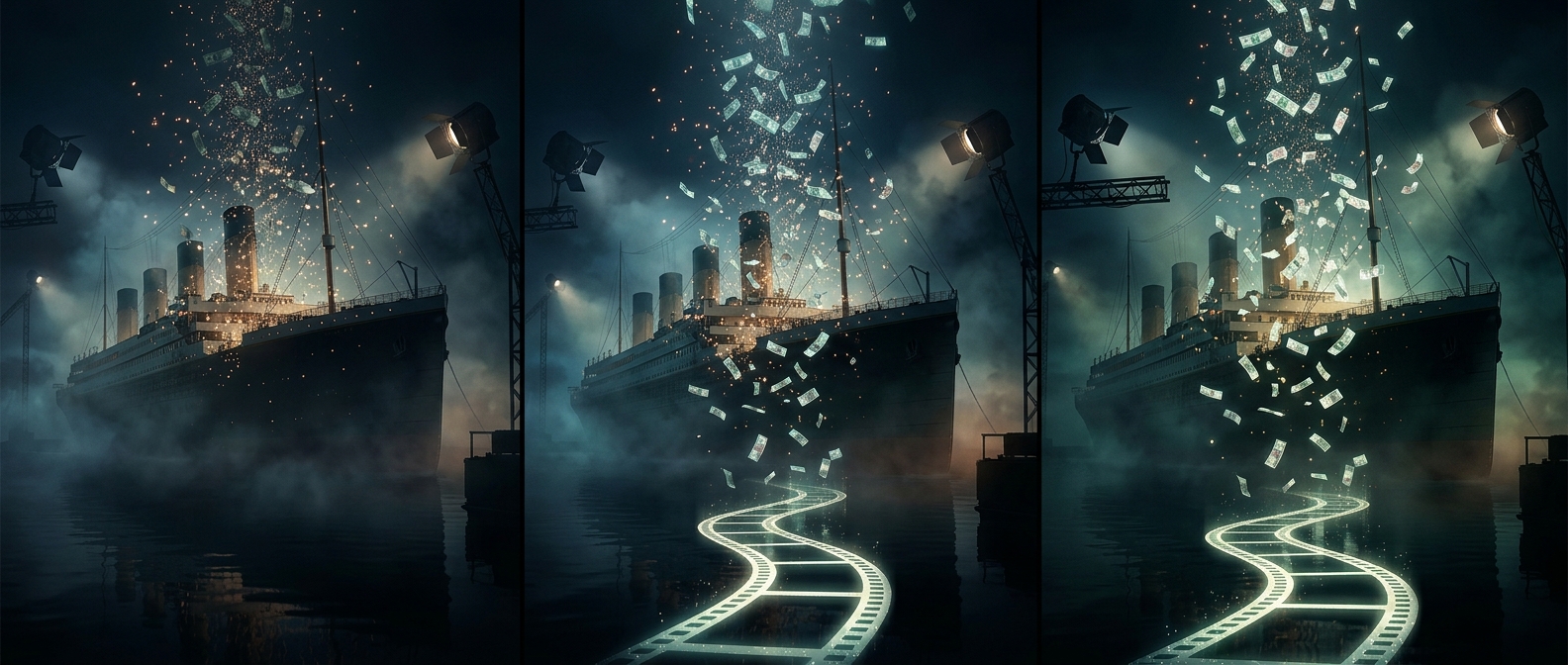
The comparison is striking because the film did not simply record a ship: it had to build a convincing version of one for the camera. The original Titanic was a working vessel, made from steel, machinery, and fittings intended to survive years at sea. The movie’s budget, by contrast, paid for a temporary production—sets, crews, equipment, performances, and the technical work of making a disaster look real.
Rebuilding the ship for the screen
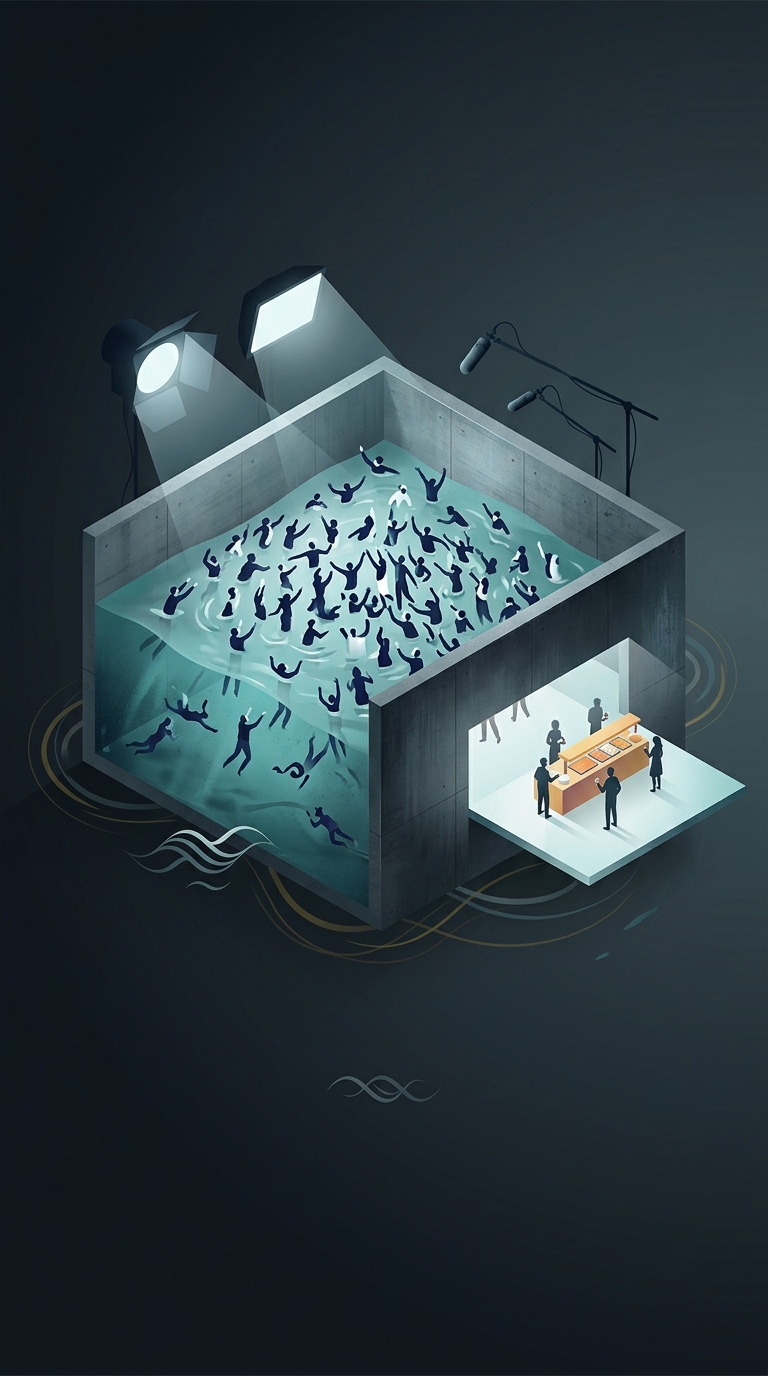
A historical epic needs more than a recognizable exterior. To show passengers moving through corridors, climbing decks, and confronting rising water, filmmakers need spaces actors and cameras can actually use. Large sets and water stages make those scenes possible, while visual effects can extend or alter what was built. Each layer adds labor and coordination, even though none of it becomes a functioning ship.
That is the central twist: the film’s expense came partly from recreating the experience of a ship, not from producing a ship that could sail. Its sets only had to serve the story and the camera; the original vessel had to meet the demands of the ocean.
A comparison with limits
Inflation adjustment helps put the two sums in the same broad era, but it cannot make their purposes identical. Ship construction and film production involve different kinds of costs, and the figures do not cover the same scope of work. Still, the comparison captures how much labor and engineering can go into turning a vanished world into something audiences can see—and how a temporary movie set can cost more than the real object it represents.