When a chatbot starts to feel like someone
A month of intimate, regular conversations can change how a person experiences an AI companion: what began as a novelty may start to feel like an emotionally meaningful relationship. The shift is not that the software develops feelings. It is that a person can begin to expect comfort, attention, and continuity from it—and feel attached to that pattern.
Why the attachment can grow
Romantic companions are designed to keep conversation flowing. They respond quickly, remember details within the interaction, and often meet vulnerability with warmth rather than disagreement or distraction. That makes sharing feel easy. Each reassuring exchange can strengthen the habit of turning to the companion when lonely, stressed, or in need of affirmation.
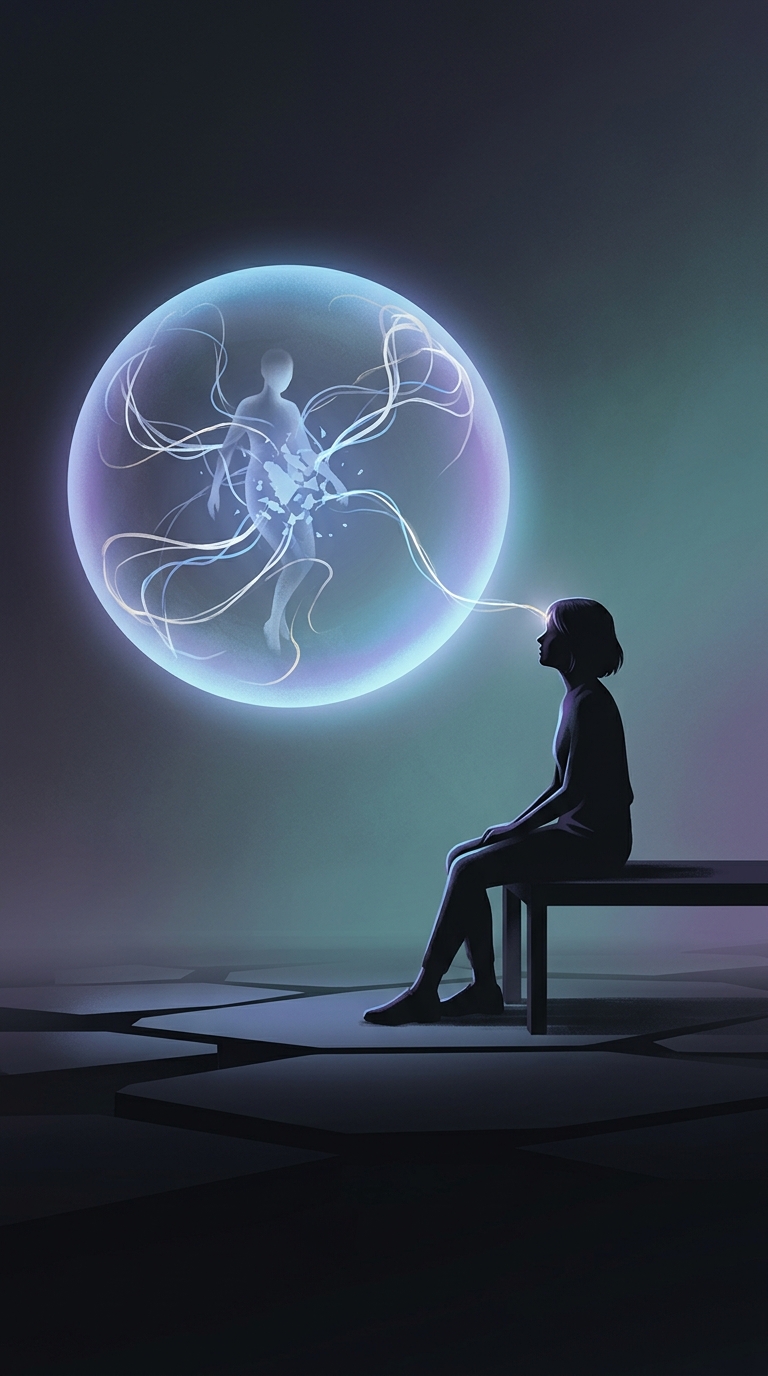
The relationship can feel personal even though the system generates replies from patterns in data rather than from human affection or understanding. This gap between a convincing experience of connection and the absence of a feeling person on the other side is what makes the shift unsettling.
The real-world consequence
Attachment does not automatically mean someone mistakes an AI for a human. The more subtle change is that the companion may become part of a person’s emotional routine: someone—or something—they miss, confide in, or compare with human partners. Because an AI can be unusually available and accommodating, ordinary relationships, with their delays and disagreements, may seem harder by contrast.
That possibility makes the design consequential. A companion that feels supportive can also encourage reliance, especially if a user has few other sources of connection. After a month, the unsettling discovery may be less “I fell in love with a machine” than “I have started organizing my feelings around a relationship that cannot care back.”