Why a Health Announcement Becomes a Fan Dispute
A tour cancellation changes more than a date on a calendar. Fans may have spent money, arranged travel, and built plans around seeing an artist; others may worry that the artist is being pushed too hard. When the explanation is simply “health reasons,” it leaves those concerns unresolved—but that does not mean fans are entitled to private medical details.
The gap between what fans know and what they feel they know helps explain the intensity. A parasocial relationship is a one-sided sense of closeness to a public figure, built through performances, interviews, and frequent online updates. The connection can feel personal even though the artist does not know each fan. A cancellation can therefore land both as a practical disappointment and as a disruption to a relationship that feels familiar.
How Hashtags Turn Uncertainty Into Sides
Social platforms make it easy to turn a complicated reaction into a public argument. A demand for more information may come from concern, frustration over disrupted plans, or suspicion that the announcement is incomplete. A call for privacy may come from the belief that a person should not have to disclose a diagnosis to justify stepping away. Both positions can begin with care, yet hashtags encourage people to present them as opposing camps.
That pressure can create a difficult bind for the artist: silence invites speculation, while more disclosure can expose intimate information and invite further scrutiny. Fans, meanwhile, can mistake access to updates for a right to an explanation. The more useful boundary is also the simpler one: an artist can owe practical information about a canceled event without owing the public a medical history.
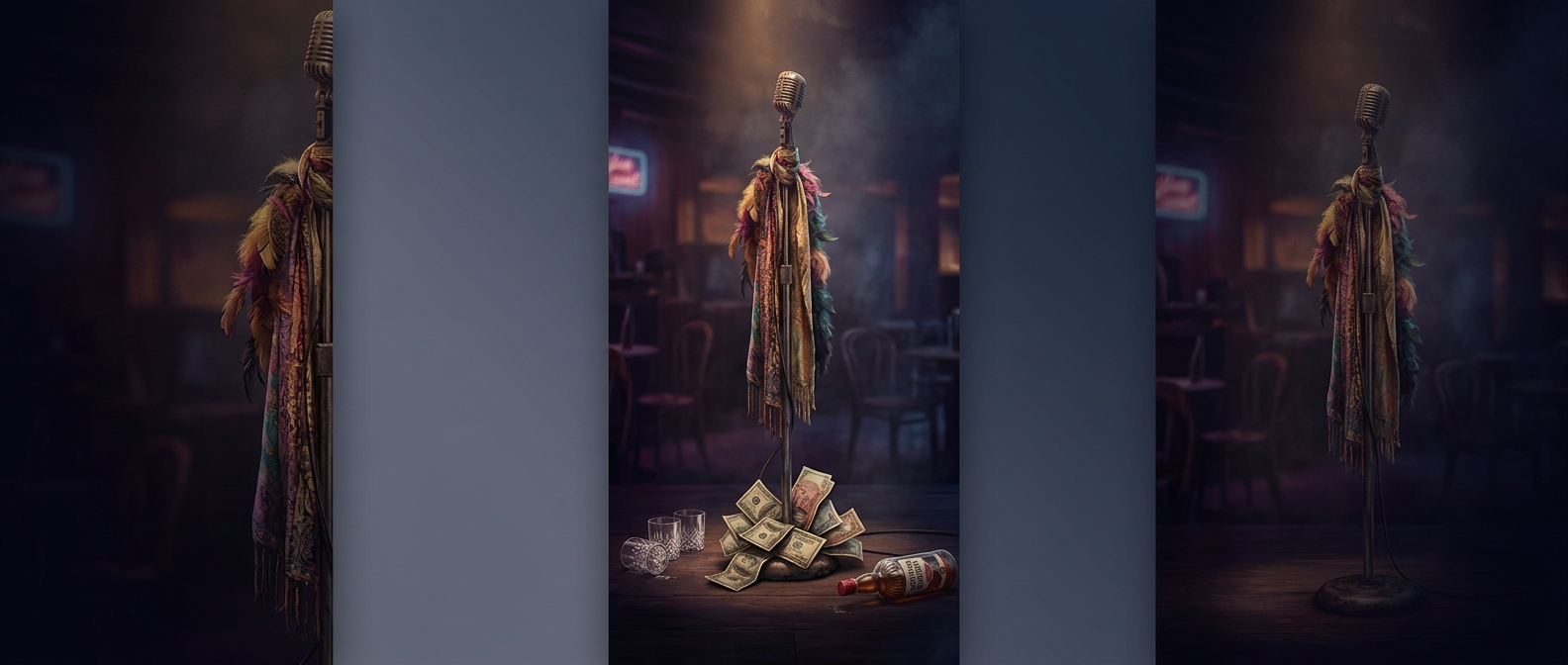
When the spotlight goes dark, the cancellation makes visible what the performance can obscure: admiration may be intense, but the person receiving it still has limits that fans cannot fully see.