Why Scandinavian censors saw E.T. as a threat
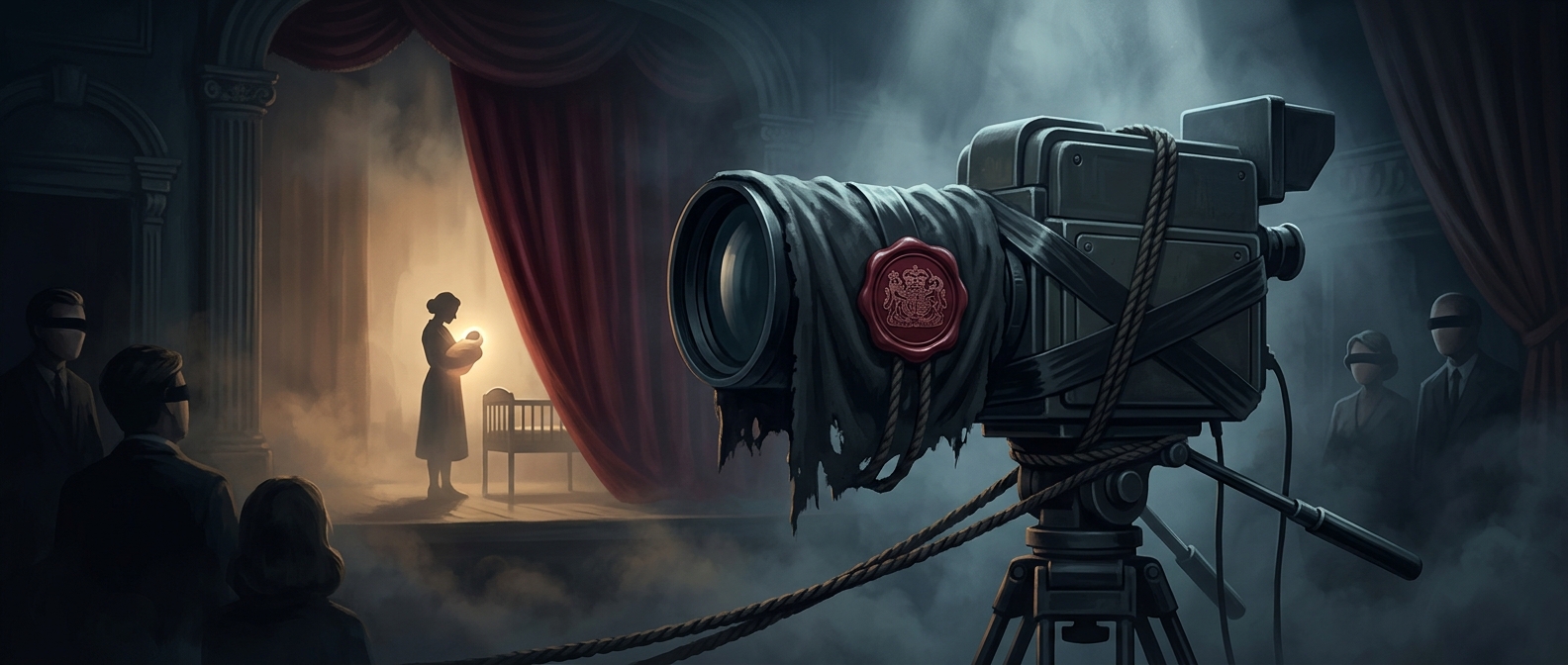
In E.T. the Extra-Terrestrial, the danger does not come only from a mysterious creature or a frightening situation. For much of the film, adults are the force closing in on Elliott and his friends: government agents search their homes, block their escape, and eventually take control of Elliott’s sick alien friend. The children, meanwhile, hide E.T. and try to protect him.
That reversal mattered to film-rating authorities in Sweden, Finland, and Norway. They objected to a story that cast adults as threats to children, judging it unsuitable for younger viewers under their standards. The concern was not simply that the film contained suspense; it was that its suspense depended on children being pursued and endangered by grown-ups.
A child’s-eye view changes the stakes
The film’s structure makes that conflict especially vivid. Viewers learn about E.T. through Elliott’s discovery and attachment, so the government operation can feel less like responsible intervention than an invasion of a child’s world. Adults have the authority, equipment, and numbers; the children have only their loyalty to one another and their determination to keep E.T. from being taken away.
That perspective helps explain why a family adventure could still raise concerns about youth viewing. The same scenes that make the children’s escape exciting can make adult authority look menacing. The ratings dispute turned on whom the film asked young viewers to trust—not just on how frightening its alien was.