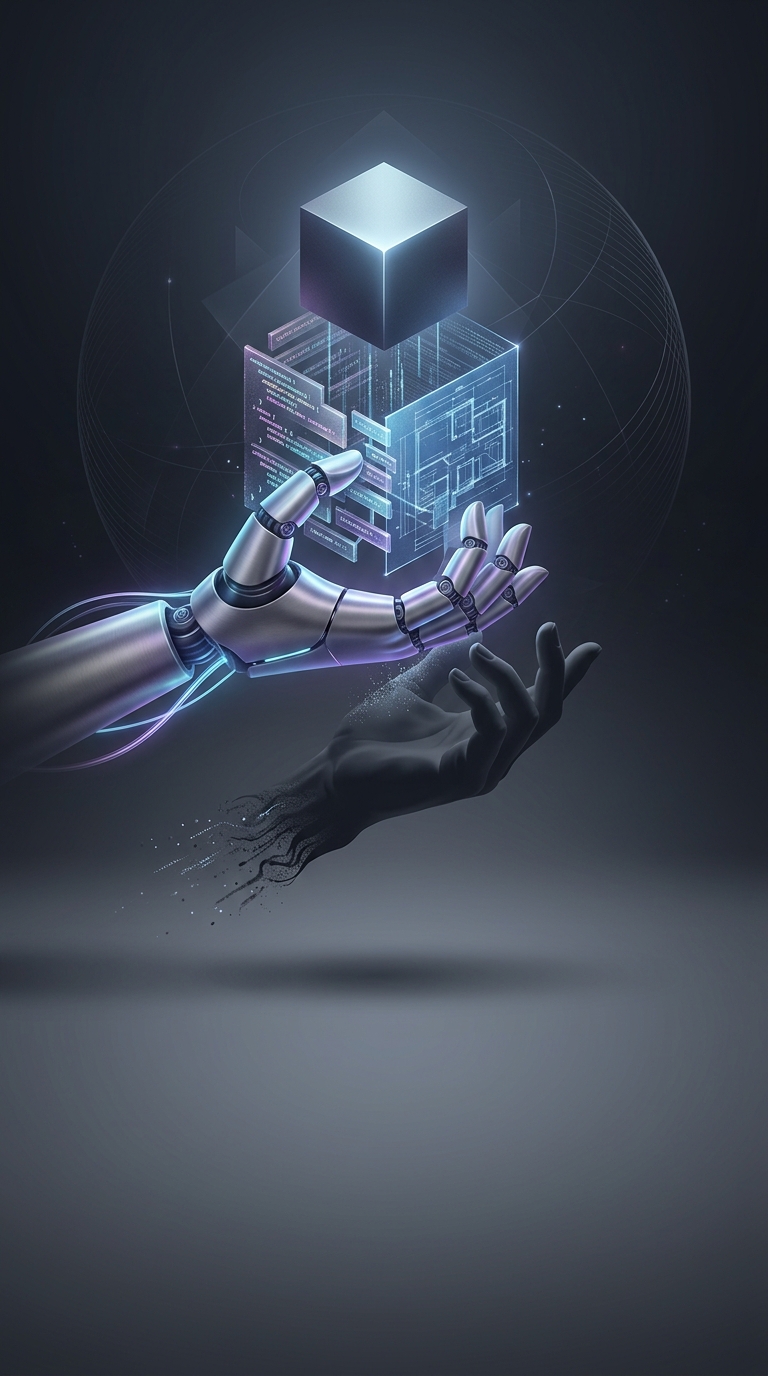
When code becomes easier to produce
Software has long been costly partly because turning an idea into reliable instructions for a computer takes specialized skill. AI coding tools aim to reduce that cost: trained on large collections of code, they can suggest functions, generate routine components, explain unfamiliar code, and help locate bugs. A programmer can describe a task in ordinary language, receive a draft, then refine it.
That changes the value of coding expertise even before a model can write flawless software. In practice, “working code” must fit a particular system, handle awkward edge cases, protect data, and remain maintainable. Someone still has to judge whether the generated answer meets those demands. The more routine code a tool can produce, however, the less time teams may need to spend producing it by hand.
The builders face the same tradeoff
Programmers developing these tools are using their specialized knowledge to make parts of that knowledge easier to obtain. If the tools become dependable, companies may be able to build or maintain some software with fewer hours of routine coding. That could weaken demand for certain tasks—and put pressure on the pay attached to skills that are no longer as scarce.
But the work does not simply vanish; its center of gravity can move. Engineers may spend more time defining what a system should do, checking generated code, connecting components, and taking responsibility when something fails. Those tasks require understanding the wider system, not just producing a block of code.
The irony is that the people best equipped to automate programming are often programmers themselves. Their tools can make them more productive, while also making basic code production less exclusive. The career risk is therefore not only that a machine writes code, but that the market may reward judgment and accountability more than the act of typing it.