Why a VCR’s Clock Was So Easy to Abandon
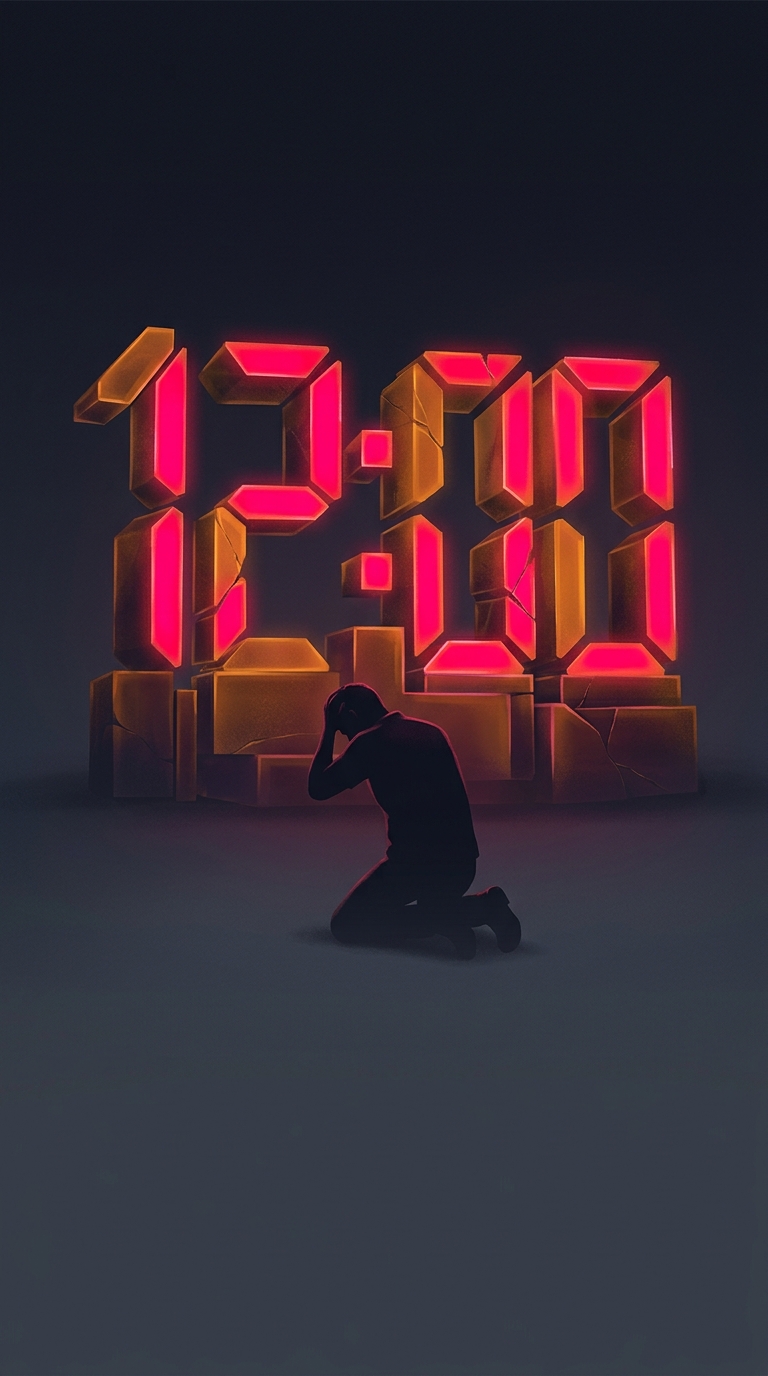
A blinking “12:00” was more than a reminder to set the clock. It was often the first obstacle in a chain of steps: enter the current time, then tell the VCR which channel to record and when a program would start and end. If the clock was wrong—or had reset after a power interruption—a timed recording could begin at the wrong moment or not happen at all.
Many machines made those tasks awkward with a small display and a handful of buttons. Instead of a clear screen and a full keyboard, users might have to move through settings one at a time, using the same buttons to change numbers, select options, and confirm choices. A mistake could mean backing up through the sequence and starting again.
The Interface Reflected the Machine’s Limits
A VCR was built to record at a particular time, so its timer needed a dependable clock and precise instructions. But adding a more expressive interface—such as a larger display or dedicated controls—would add cost and complexity to a device designed for the living room. The result was a mismatch: the machine could perform a sophisticated task, while explaining that task through a few cryptic controls.
Programming a recording also demanded information from the viewer, not just a single command. The user had to translate a television schedule into settings the recorder understood. That made the process especially unforgiving when schedules changed or a show ran late.
A Small Failure With a Visible Reminder
Leaving the clock unset avoided the immediate hassle, but it also meant the VCR could not reliably carry out timed recordings. The flashing digits turned a private frustration into a familiar household sight: technology waiting for instructions that its interface made unpleasant to give. The clock became a symbol of defeat because it displayed the unfinished task every time someone looked at the machine.