When a Product Solves the Wrong Problem
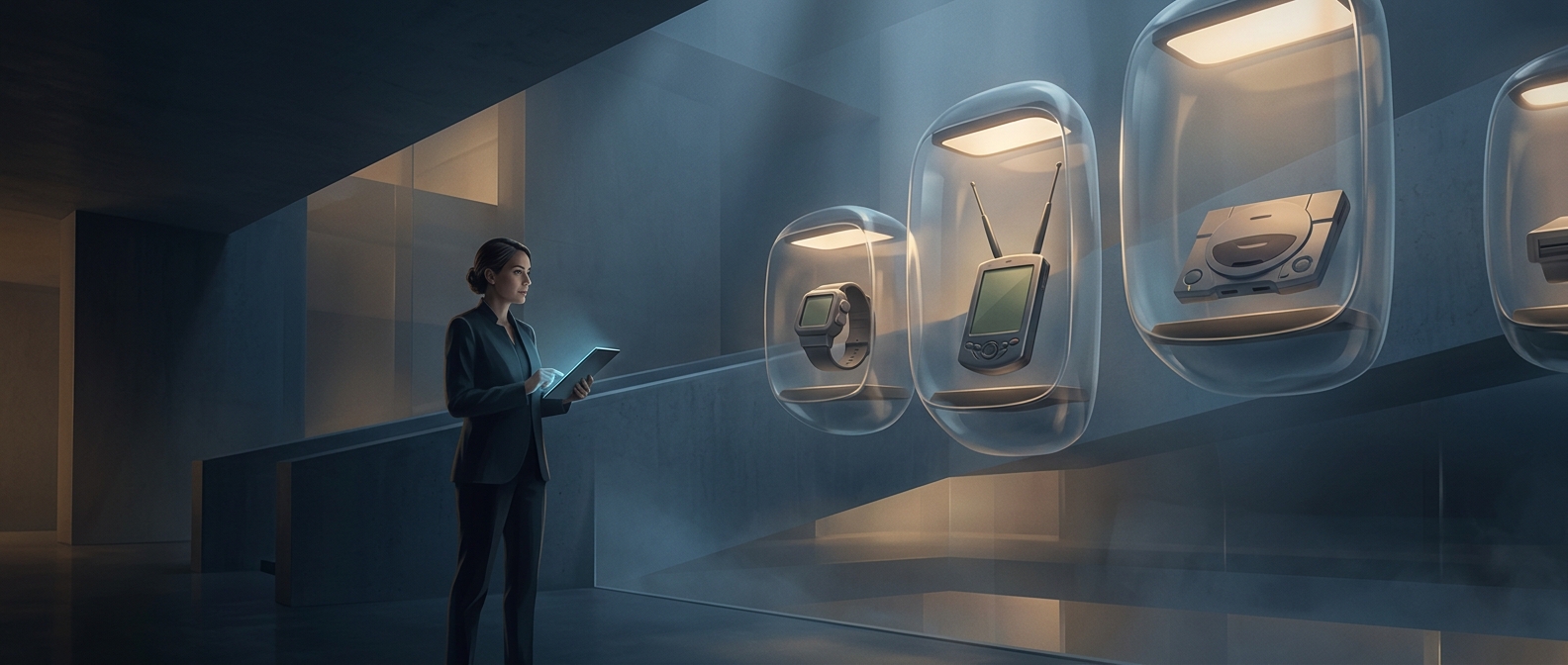
A product can be clever, technically ambitious, or perfectly functional and still fail to earn a place in people’s lives. The Museum of Failure makes that gap visible: its exhibits show how a product’s idea can collide with everyday habits, expectations, or a market that has already moved on.
Three Different Ways to Miss
Bic’s “for her” pens were ordinary writing tools marketed specifically to women. The backlash illustrated a basic marketing risk: treating a broad group of customers as if they need a specially gendered version of something that already works for everyone can make the pitch feel patronizing rather than useful.
The Twitter Peek took a different gamble. It was a handheld device built mainly for checking Twitter, but smartphones were already combining social media, messaging, and many other functions. A dedicated gadget had to justify carrying—and buying—one more device for a task a phone could handle.
Google Glass pushed the boundary further by placing a small display in a pair of glasses. The idea offered hands-free access to information, but a wearable camera also raised privacy concerns, while the device’s cost and limited everyday appeal made it hard to turn novelty into broad consumer demand.
Failure Is a Design Lesson
These examples did not all fail for the same reason, and “failed product” does not necessarily mean a company or underlying technology vanished. The useful comparison is the mismatch: a feature that seemed compelling to its makers was not compelling enough, convenient enough, or socially comfortable enough for many buyers. Seen together, the exhibits turn product failure into a practical question: what would have to change for people to actually want this in their daily routine?