Turning a Seat Into a Bed on the Early Railway
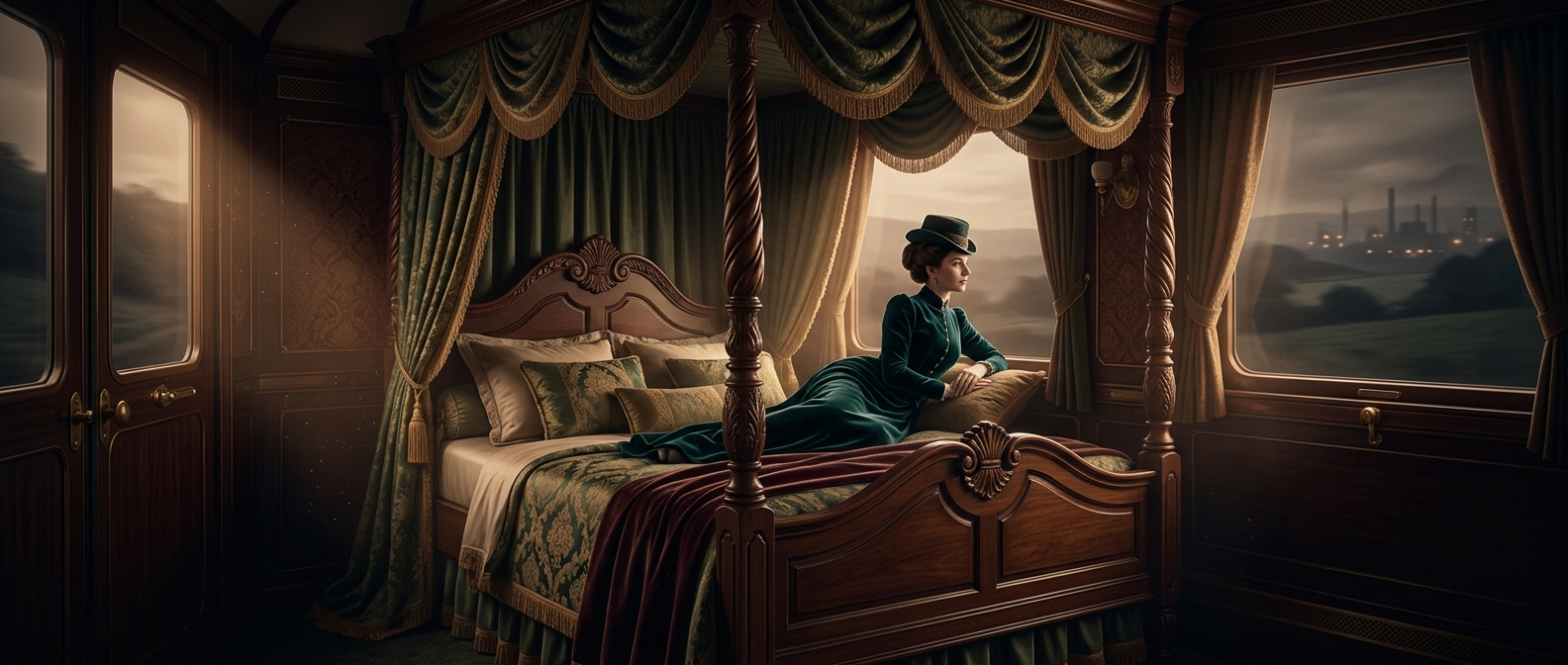
A train could carry passengers through the night before its interiors were designed for sleeping. In ordinary seating, there was little room to stretch out, and a hard seat offered neither a mattress nor much privacy. A traveler who wanted a more familiar place to sleep could bring bedding and arrange it over a seat or in whatever space was available.
That improvised sleeping place was a berth: a spot prepared for lying down during the journey. The distinction mattered because the train provided only the moving space. The passenger had to supply the soft furnishings—and adapt them to a cramped carriage that was still arranged primarily for sitting.
Why Sleeper Cars Changed the Arrangement
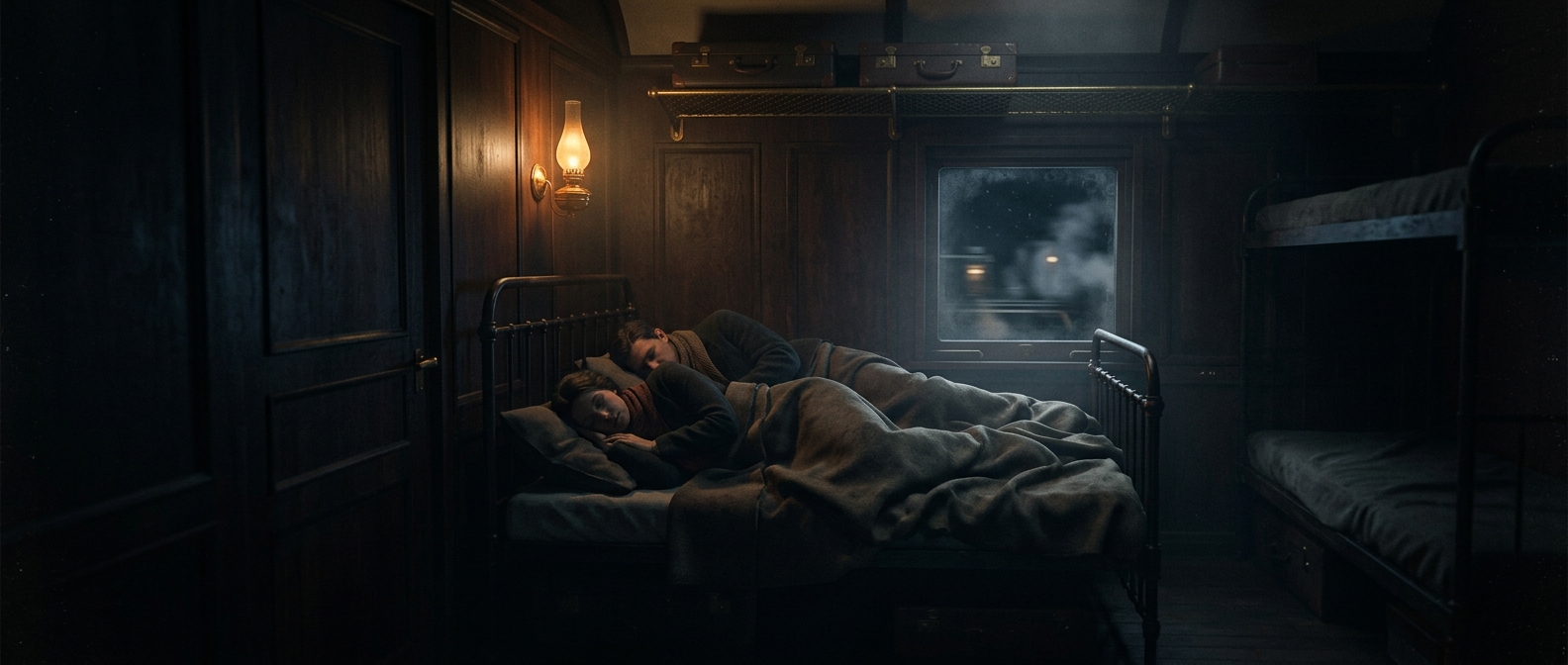
Bedding could make a seat more bearable, but it could not create much room or separate one traveler from the next. A purpose-built sleeper car addressed those limits by making sleeping places part of the carriage itself. Instead of each passenger assembling a makeshift bed, the railway could provide fixed berths and organize the space around overnight travel.
The change was more than a comfort upgrade: it shifted the work of preparing for sleep from the traveler to the train. Wealthy passengers’ portable bedding was an early, personal solution to a design problem railways would eventually tackle with dedicated sleeping accommodations.