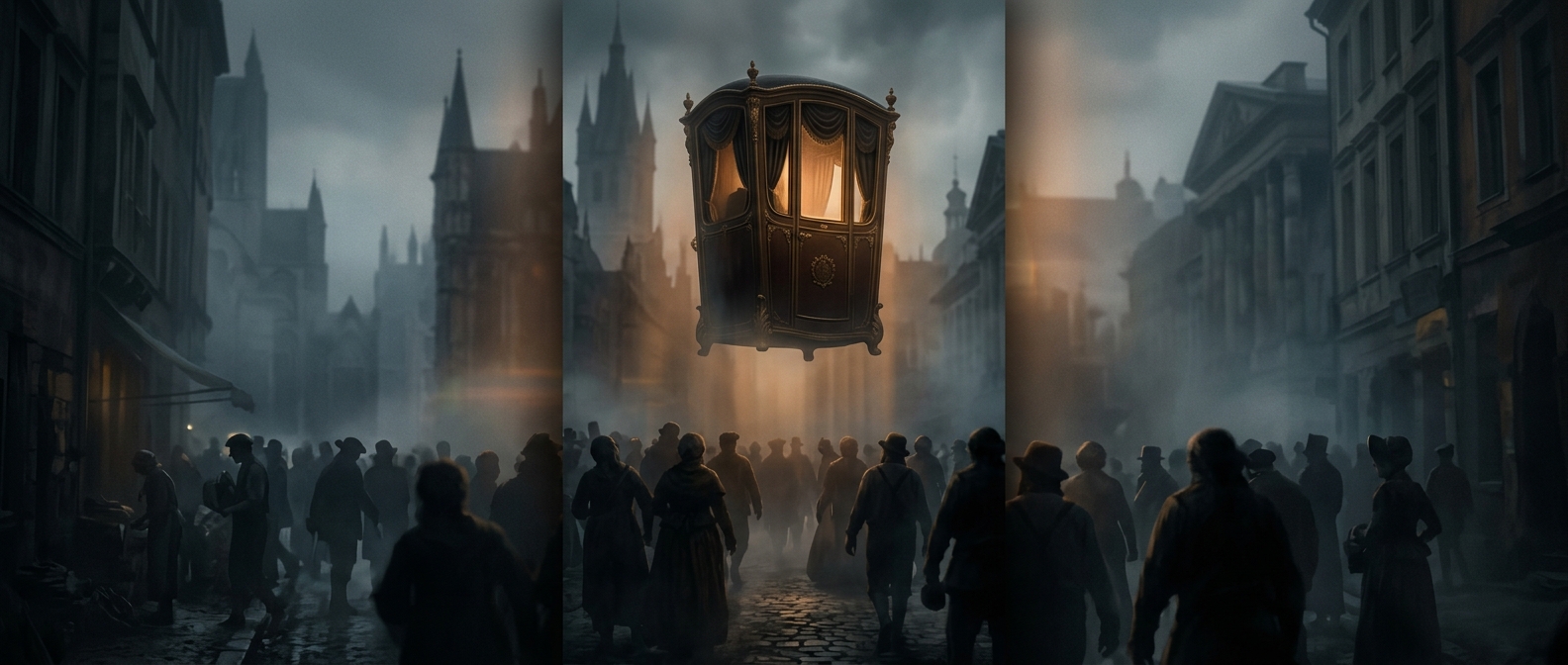
The carriage had to make sitting still bearable
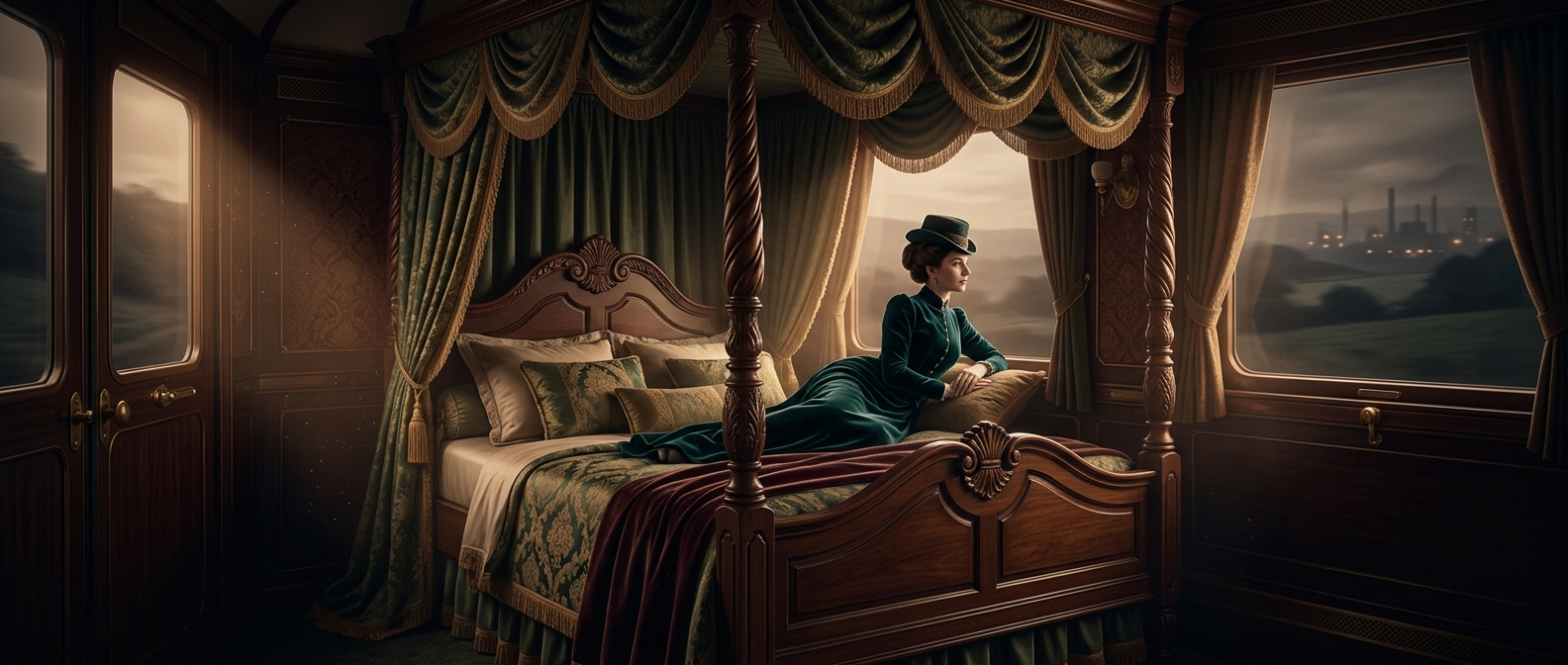
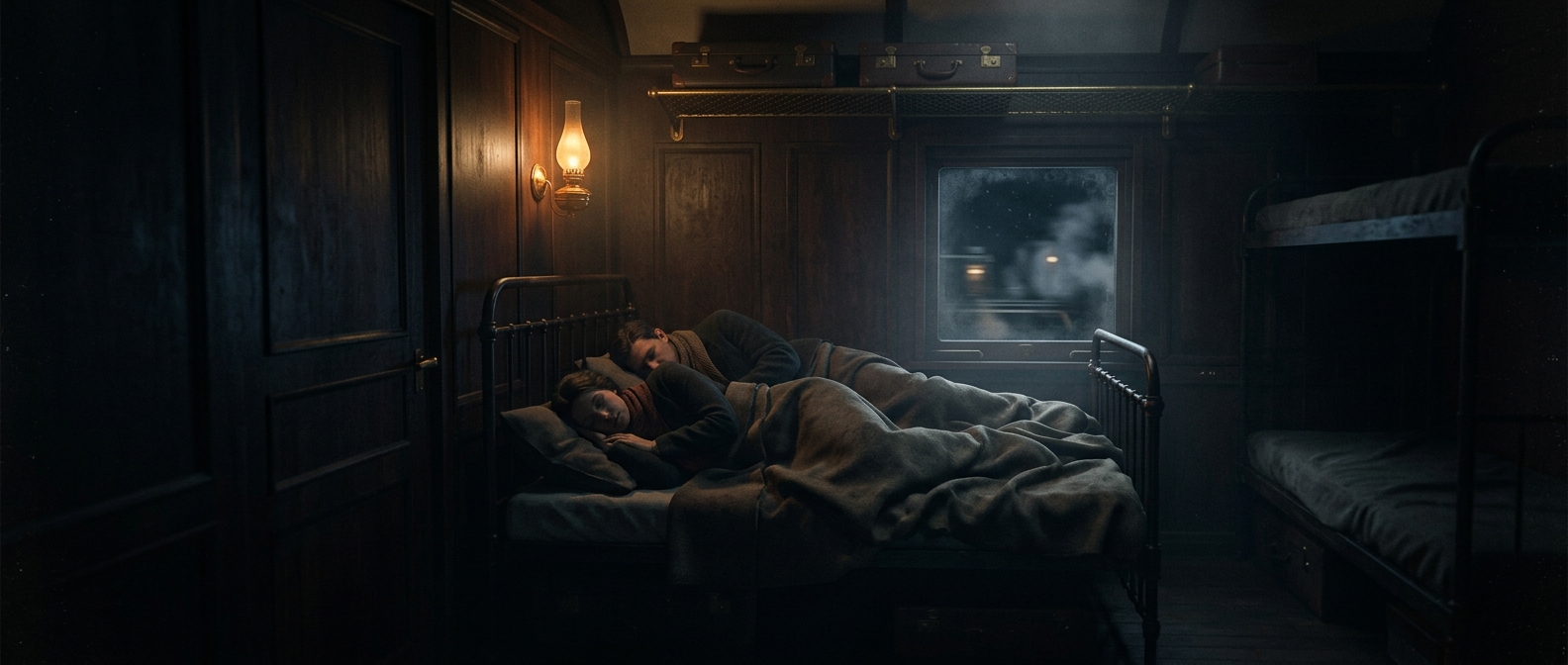
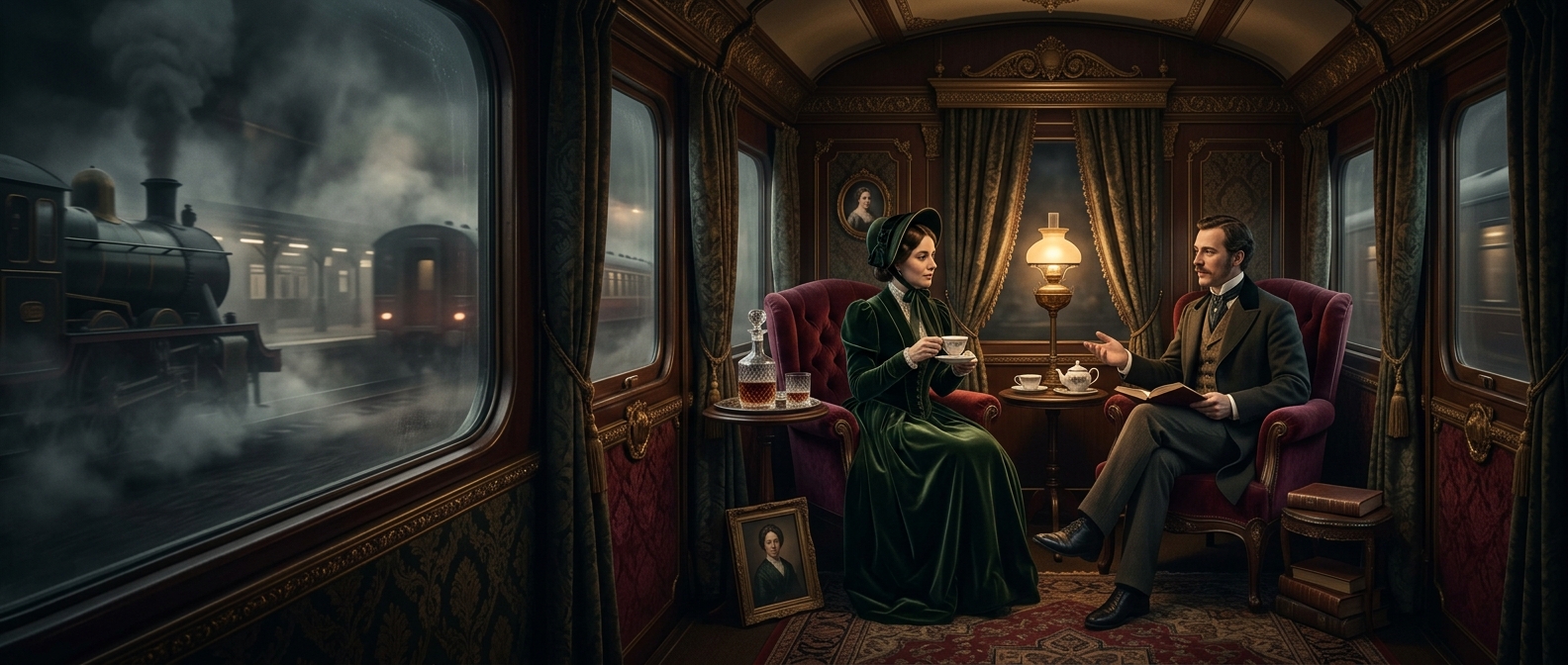
A train cabin could not offer the space or stability of a house, but it could soften the hardest part of a long trip: remaining seated while the landscape and track jolted past. Upholstered seats cushioned the body; tables gave passengers a place for reading, writing, or setting down belongings. Curtains offered a measure of privacy in a shared, moving room, while lamps made the interior usable after daylight faded.
These were not simply decorative touches. Rail travel gathered strangers into a confined space for hours, so familiar domestic details helped make the cabin feel orderly and inhabitable. The design translated the comforts of a parlor into a narrow room that was always in motion.
Comfort had to survive the journey
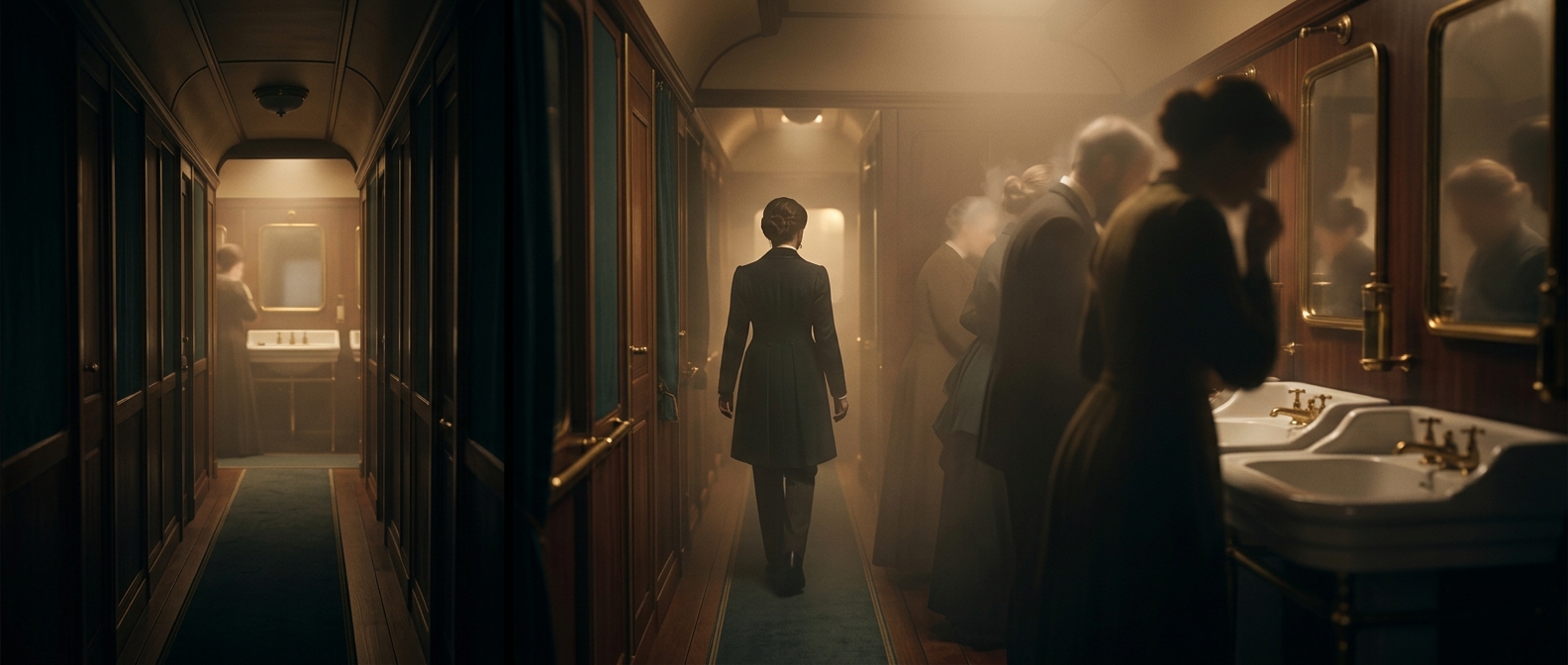
A railway interior also had practical limits. Furnishings had to fit around seats, doors, and passageways, and remain usable as the carriage rocked and rattled. Unlike furniture at home, they could not be freely rearranged; the layout had to serve many passengers at once. The result was a compromise: a public space dressed to feel more private and comfortable, without ceasing to be a vehicle.
That domestic character also shaped what passengers expected from rail travel. A carriage was not merely a place to be transported between towns; its interior helped define the journey itself. For hours, the railway offered a small, furnished room whose walls moved.