Why a Sleeper Car Had One Washstand
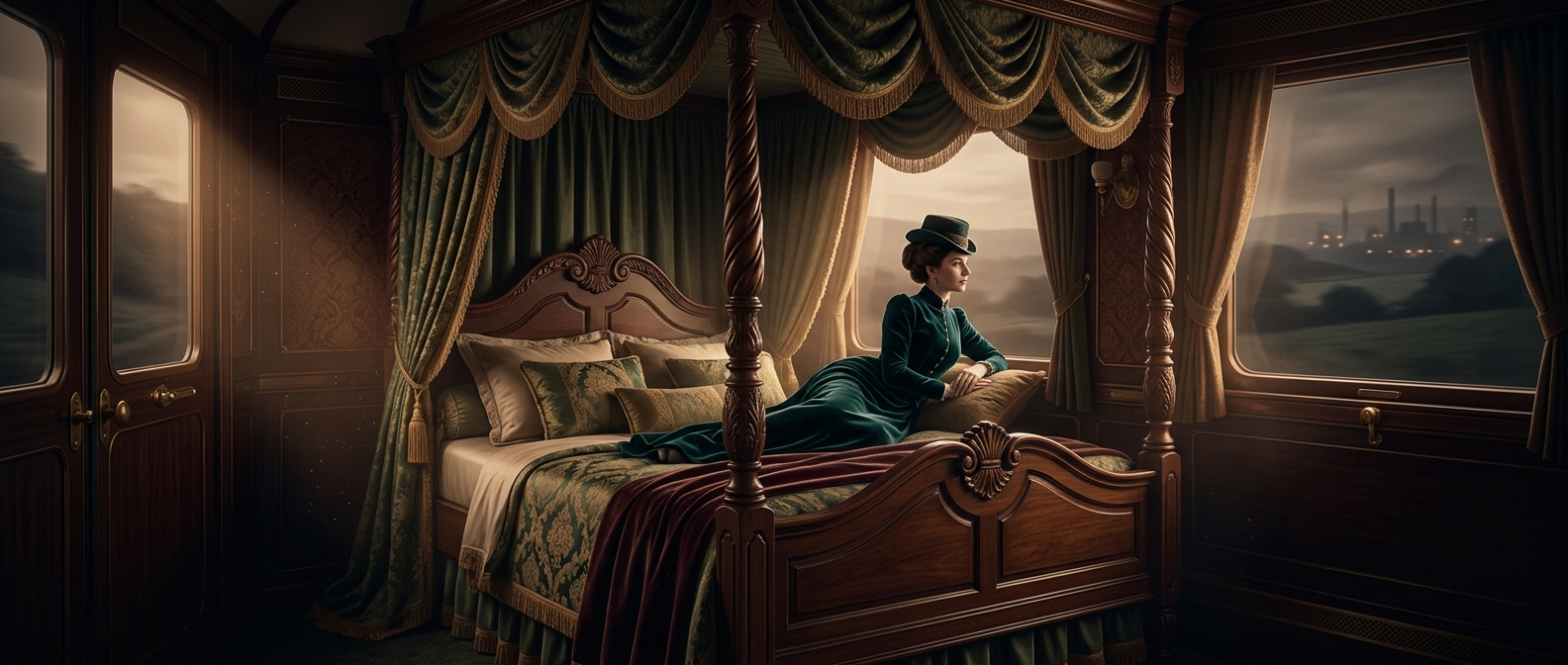
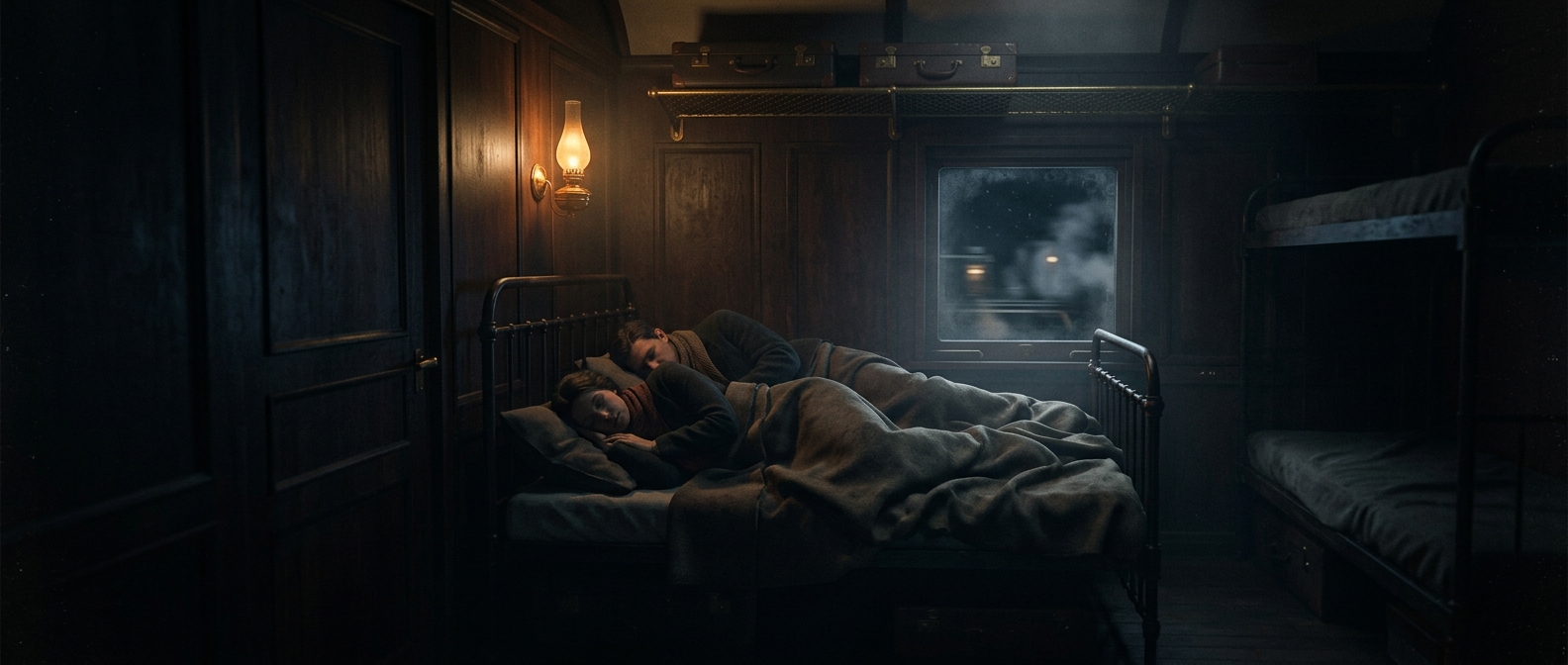
A sleeping car had to fit beds, a passageway, and the equipment needed to keep passengers moving through the night inside a narrow railcar. A private sink at every berth would have taken up scarce room and required water and drainage connections in many separate places. A shared basin concentrated those needs at one washstand instead.
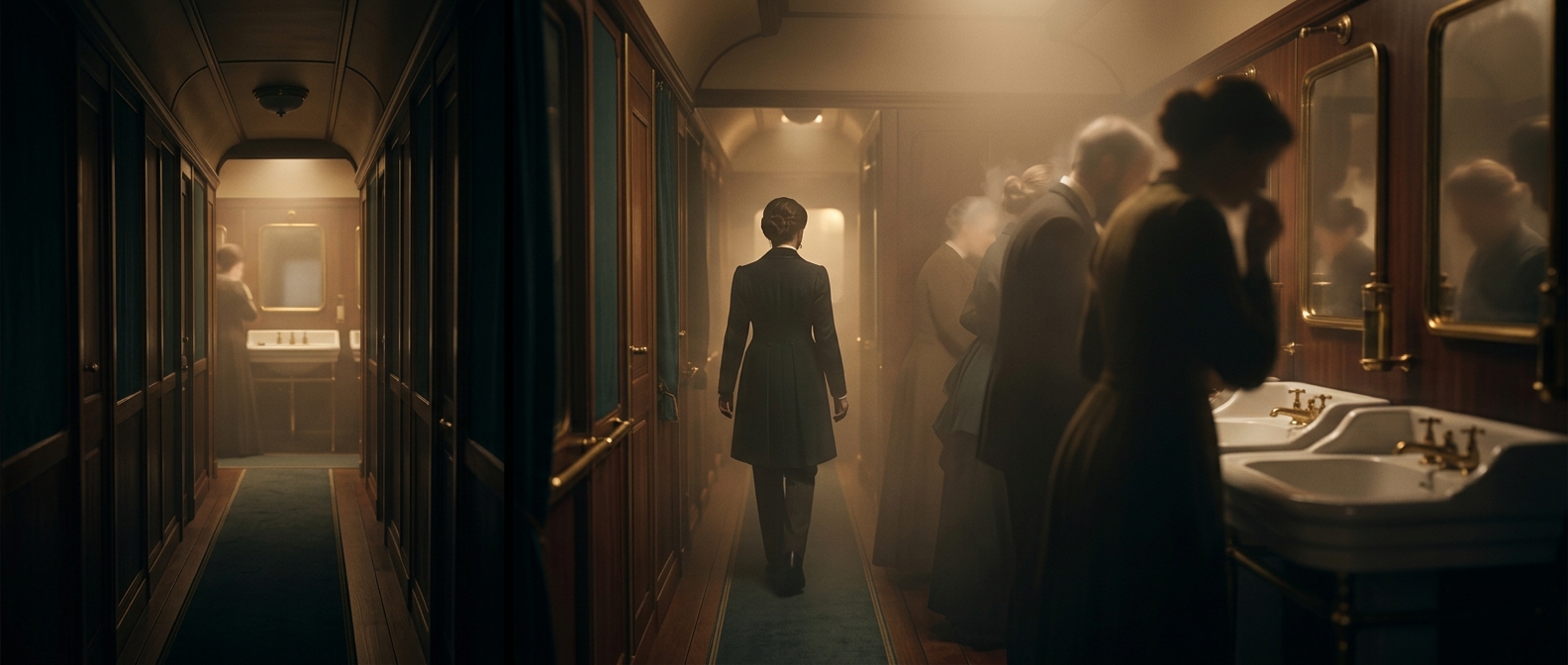
That arrangement made plumbing simpler, but it changed the daily routine. Passengers left their berths to wash at the common basin, so a basic act of getting ready became a small piece of shared-car life rather than a private task.
The Tradeoff Behind the Rinse
The washstand shows how sleeper-car comfort was shaped by space as much as by luxury. A berth could offer a place to sleep without having the room or plumbing of a bedroom. The common basin supplied a practical amenity while preserving more of the car for sleeping accommodations.
It also meant that convenience depended on sharing: passengers had to use the same facility and make room for one another. In an early sleeper car, the dividing line between private comfort and communal travel could be as simple as stepping out of your berth to wash.