A carriage made rank visible
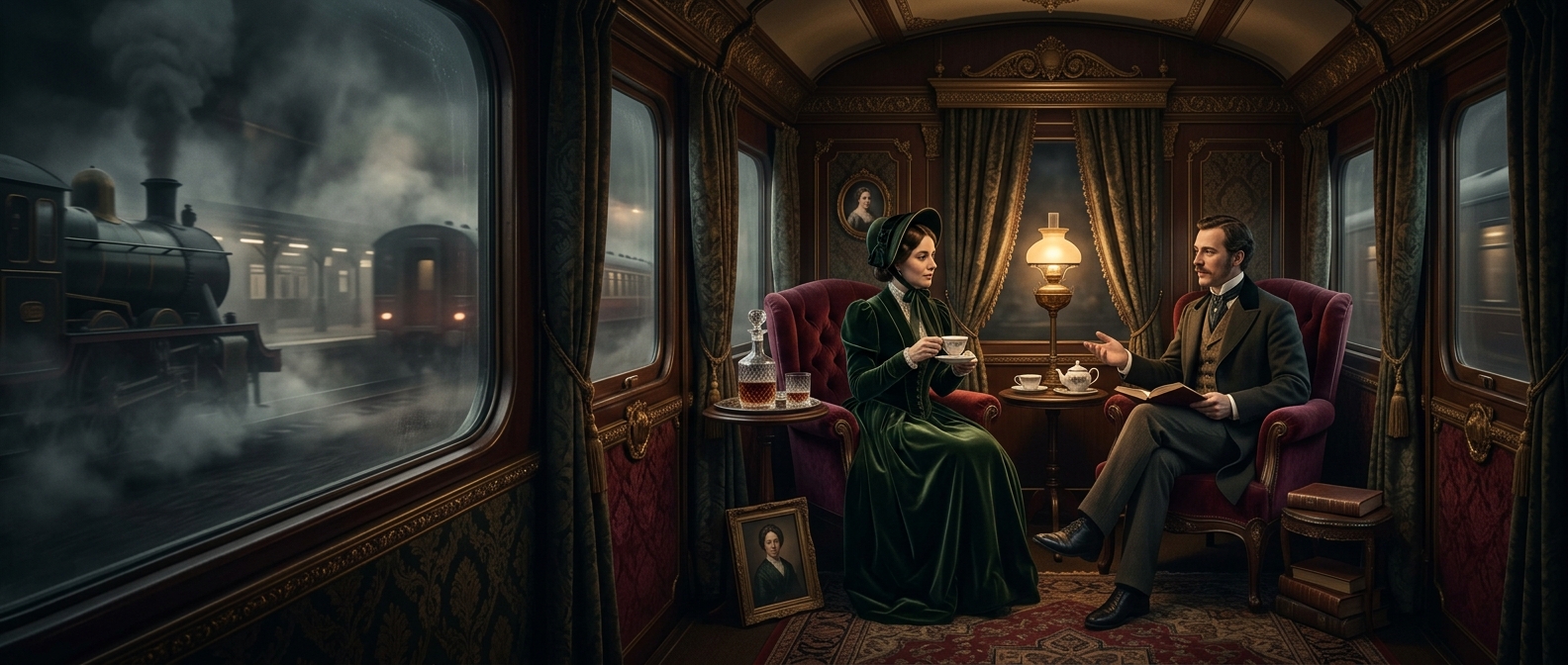
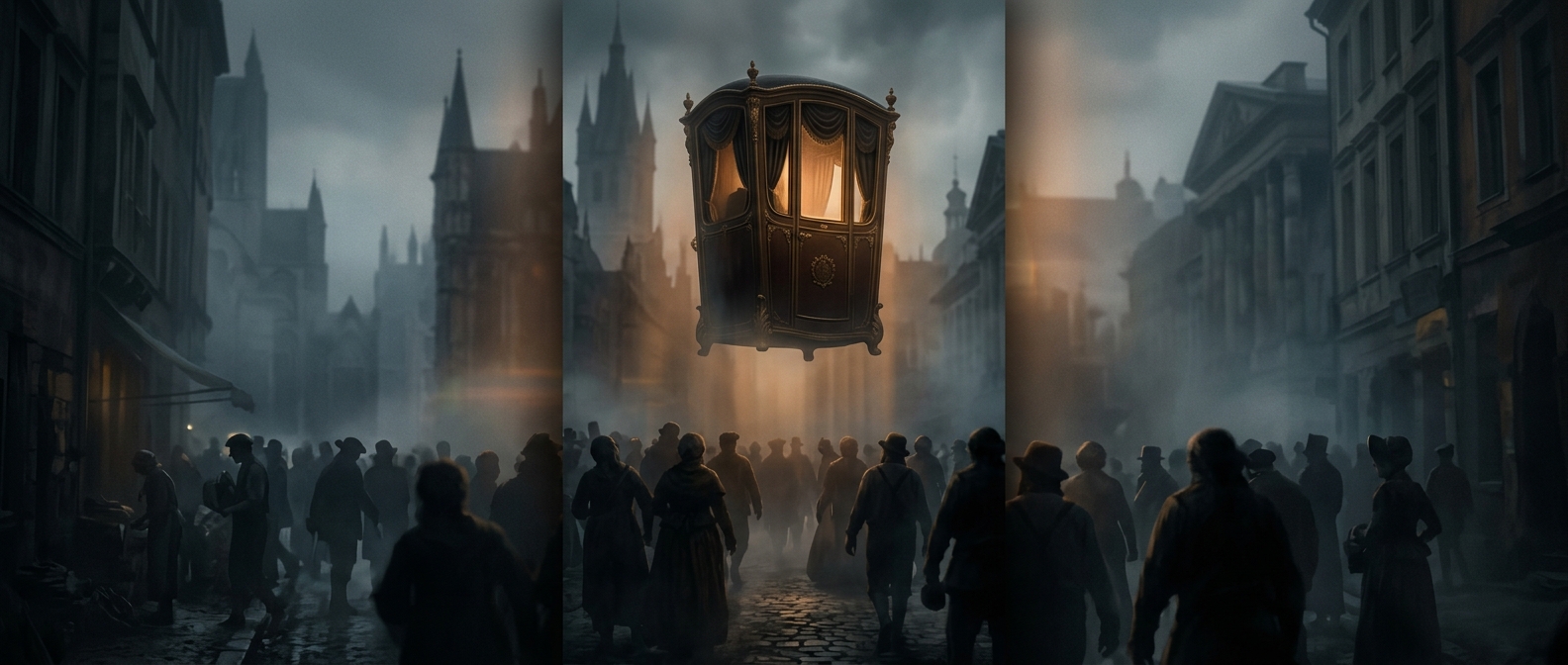
In a society where most journeys happened at walking pace, arriving by horse or carriage was hard to miss. The vehicle did more than save effort: it showed that its owner could afford animals, equipment, upkeep, and often the help needed to manage them. Those costs made transport a public display of resources.
Walking erased that display. A person on foot might be traveling for convenience, but observers could also read the choice—or apparent lack of alternatives—as evidence that the traveler did not command the means to ride. For an aristocrat, whose standing depended partly on how others recognized it, that ambiguity mattered.
Status depended on the audience
This was not a universal rule that every aristocrat considered walking shameful. Meaning varied with place, occasion, and custom. A stroll for leisure was different from showing up on foot when a formal arrival was expected. The signal came from the setting: if rank was being displayed, a carriage could announce it before its passenger spoke.
That made transport a kind of social language. The journey’s endpoint was only part of the point; the manner of arrival told onlookers what resources stood behind the traveler. In that world, getting there under one’s own power could be practical—and still look like the wrong announcement.