Why handedness does not follow a simple family rule
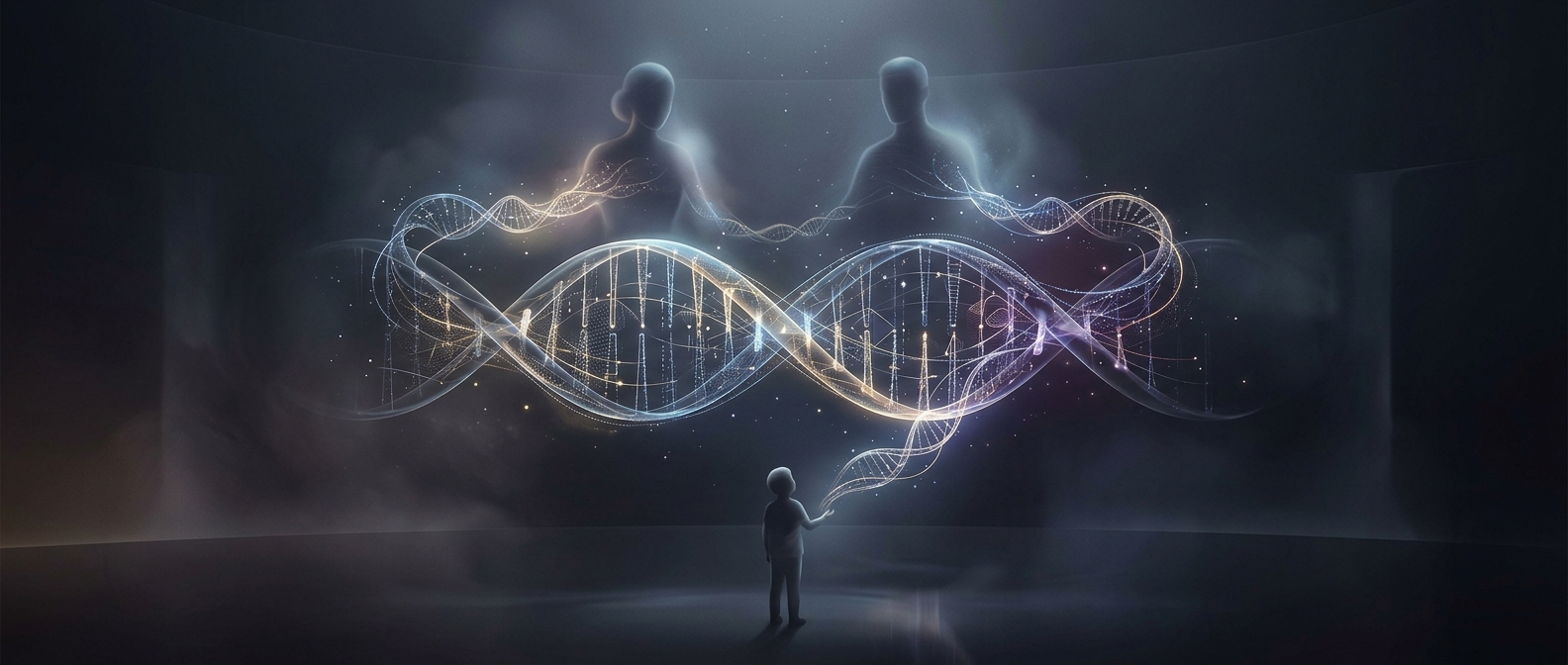
A child may share a parent’s left-handedness without inheriting a single “left-handed” switch. Instead, many genetic differences appear to contribute small influences to the odds of favoring one hand. Inherited variants can shape how the brain develops, but none by itself reliably determines which hand a person will prefer.
That helps explain why handedness can run in families yet still be hard to predict. Two left-handed parents do not guarantee a left-handed child, and a left-handed child can be born to right-handed parents. The family resemblance reflects a bundle of tendencies, not a straightforward one-gene pattern.
The brain’s asymmetry takes shape during development
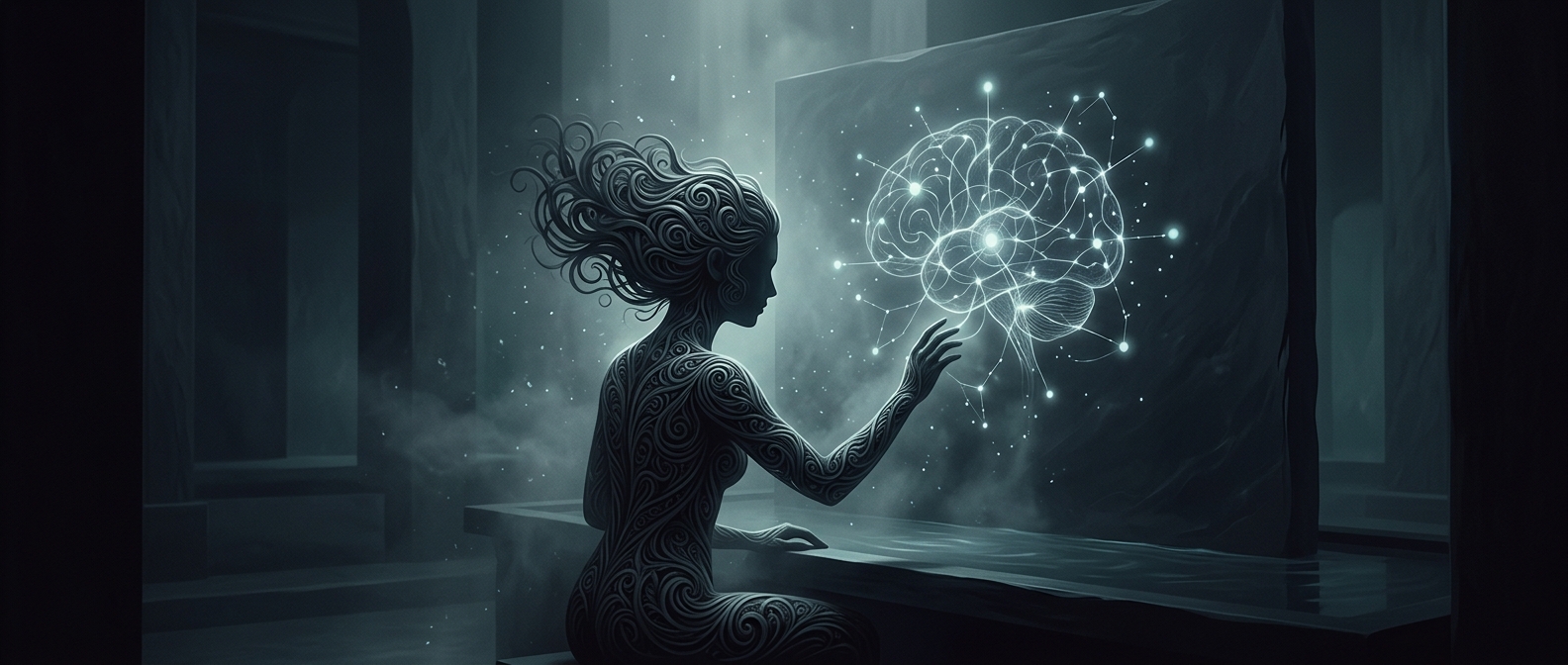
The hands are controlled largely by opposite sides of the brain, and the two sides do not perform every task in exactly the same way. Hand preference emerges as these brain systems develop and coordinate movement. Genes are part of that process, but development is not a simple readout of DNA: multiple influences and chance variation can affect how a tendency unfolds.
This is why researchers study many genetic regions rather than searching for one decisive marker. Each may contribute only a small piece, and the same collection of influences need not produce the same outcome in every person. The “lottery” is therefore not a literal random draw; it is a useful picture of many modest effects combining without a guaranteed result.
A tendency, not a prediction
The practical consequence is that handedness is better understood as a probability than as an inherited certainty. Genes help tilt the odds, while an individual’s development determines how those influences come together. A left-handed child in a right-handed family is not an exception to heredity—it is what a complex, many-part inheritance can produce.