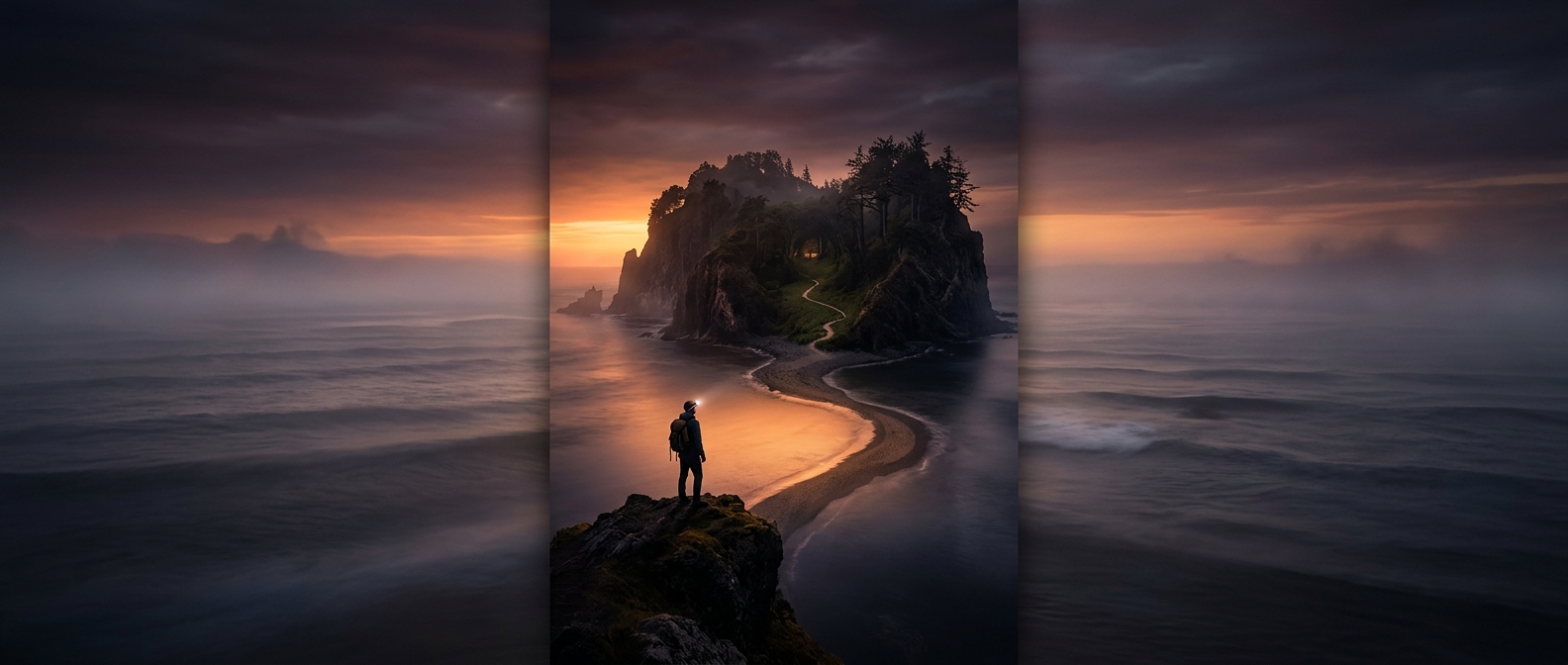
Why Montecristo is so hard to reach
Montecristo lies in the Tuscan Archipelago, between mainland Italy and Corsica. Its rugged terrain and limited landing access make ordinary tourism difficult—but the island’s protected status is the main reason visits are tightly controlled. It is a nature reserve, not a resort waiting to be developed, and access is managed to keep human disturbance low.
Visitors who receive permission generally explore on guided visits rather than roaming freely. That matters on a small island: repeated footsteps can damage plants and soil, while noise and close contact can disturb wildlife. A day trip also avoids the need for hotels, roads, and other infrastructure that would permanently alter the landscape.
Restrictions protect more than the scenery
The rules extend beyond the visit itself. Swimming and overnight stays are prohibited, and visitors must leave natural objects where they find them. A pebble may seem insignificant, but removing things one by one can gradually change a habitat—and taking plants, seeds, or other material can cause more direct harm.
The result is a rare kind of travel experience: permission to see the island does not mean permission to use it as a beach or campsite. The limits are designed to keep a visit temporary and its footprint small, so Montecristo remains a protected place rather than becoming another destination built around visitor convenience.