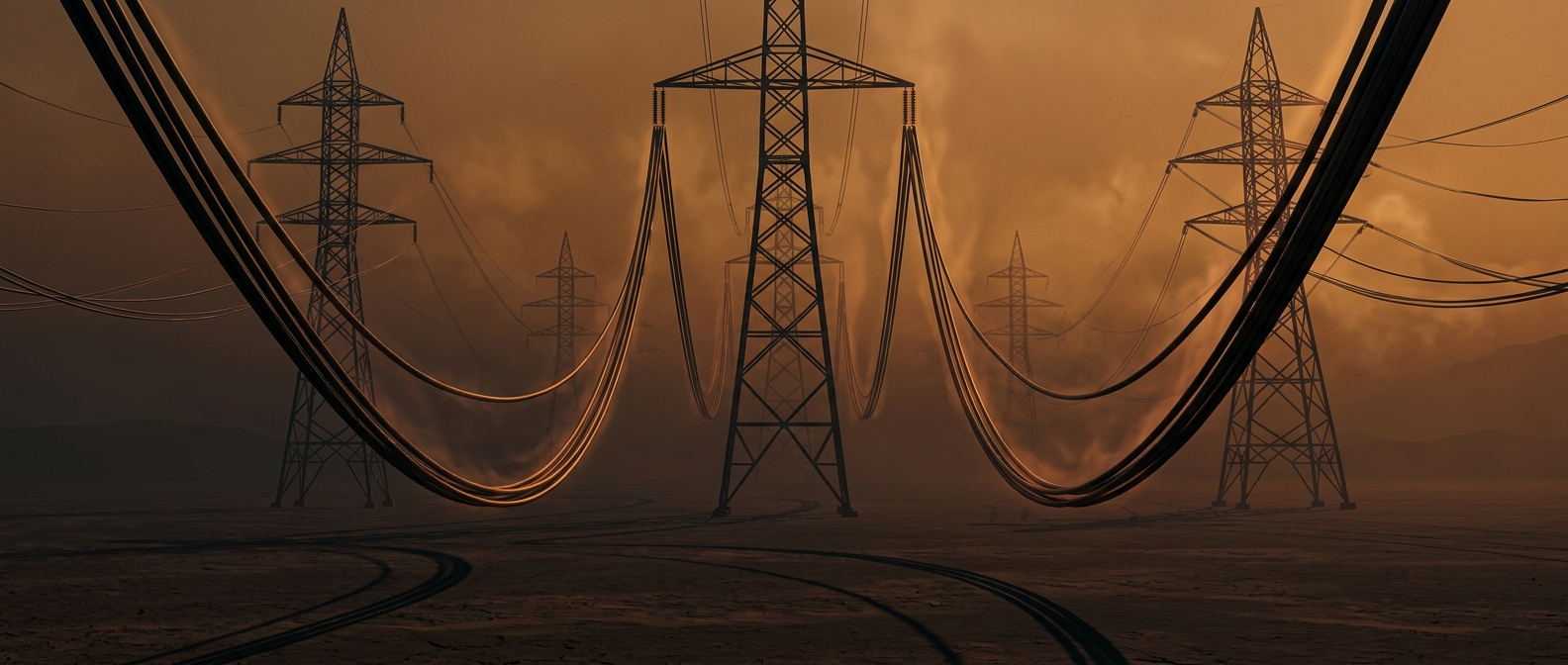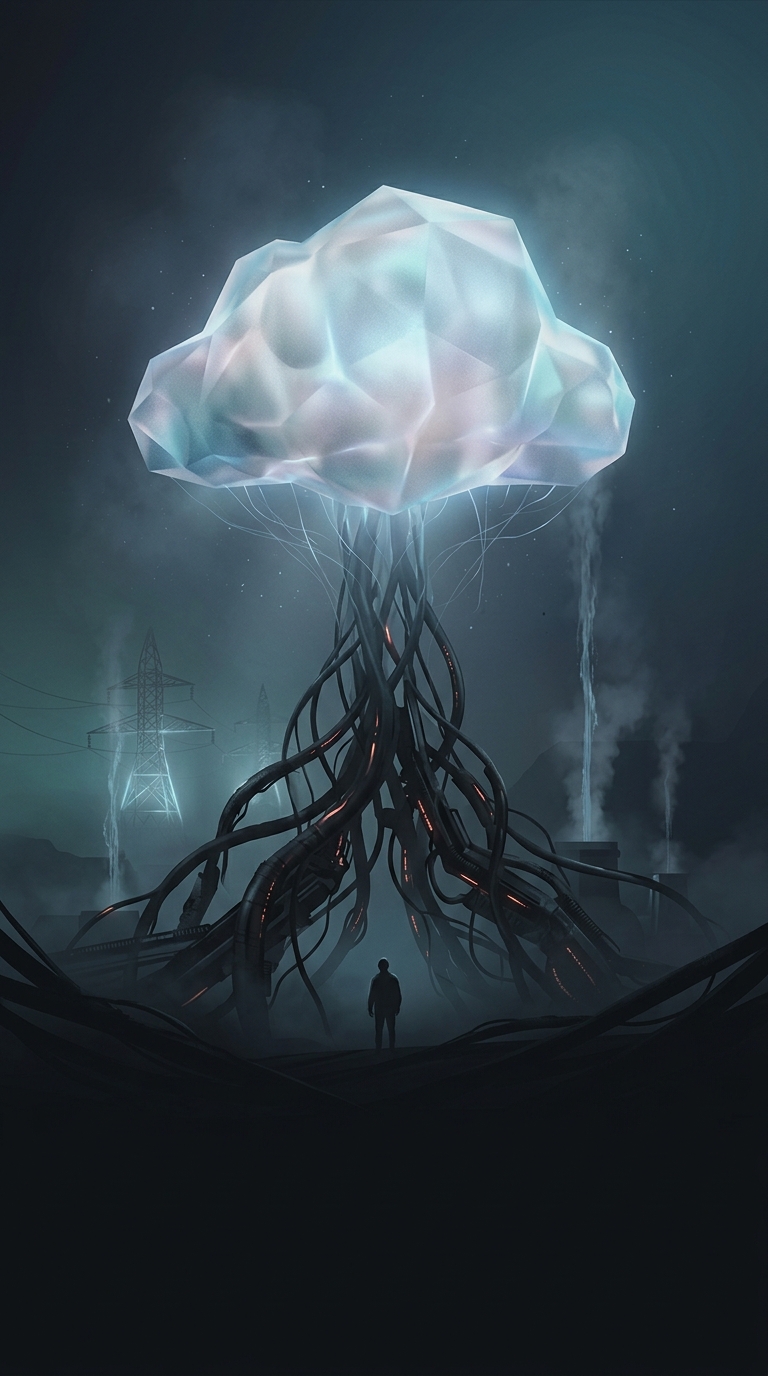
The cloud is a network of physical buildings
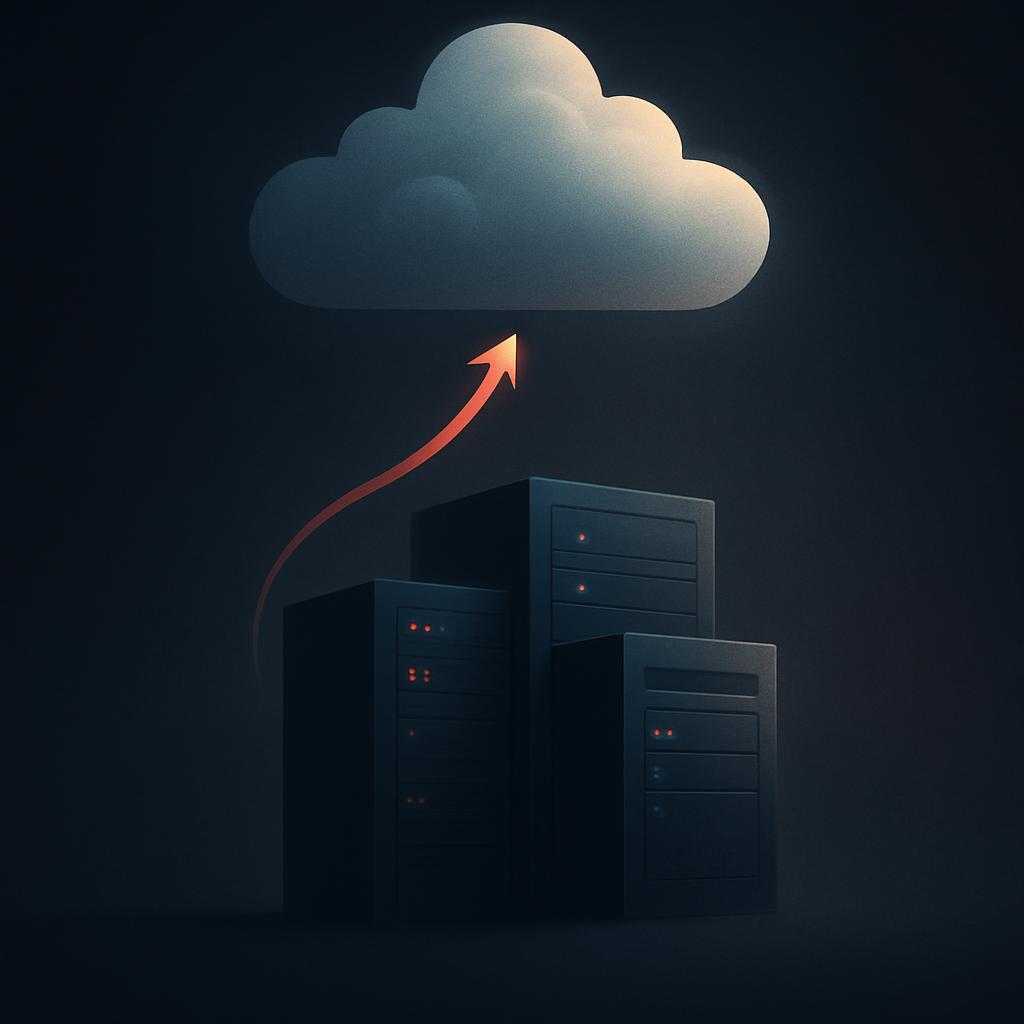
When a phone backs up photos or a company runs an app “in the cloud,” the data and computing work are handled by servers in data centers: large, secure buildings filled with computers and networking equipment. These centers are spread across many locations. A service may store copies of data in more than one place so it can keep working if a machine or facility fails, and so requests can be handled from a suitable location.
The cloud feels distant because the network hides the machinery. A request travels from a device through internet connections to a data center, where servers store information or perform calculations, then sends a result back. The building may be far away, but the work still depends on local power, equipment and infrastructure.
Why computing uses energy and water
Servers draw electricity whenever they process requests or keep data available. Their electrical components also produce heat, so data centers need systems to move that heat out and keep equipment within safe operating conditions. Depending on the facility and climate, cooling may use air, water, or a combination of methods. Water use is therefore not identical from one center to another, but cooling can make it part of the resource footprint.
There are indirect demands, too: generating electricity can consume resources, and manufacturing servers and building facilities require materials. The total impact depends on where a data center is, how it is powered and cooled, and how intensively its equipment is used.
The tradeoff behind “anywhere” access
Putting computing in specialized centers can make services easier to scale and maintain than running separate server rooms for every organization. But it concentrates demand in particular places: the cloud’s footprint is felt through the power systems, cooling resources and physical infrastructure serving those buildings. A file may seem weightless on a screen; keeping it available means machines somewhere must remain powered, connected and cool.