What “moving to the cloud” changes
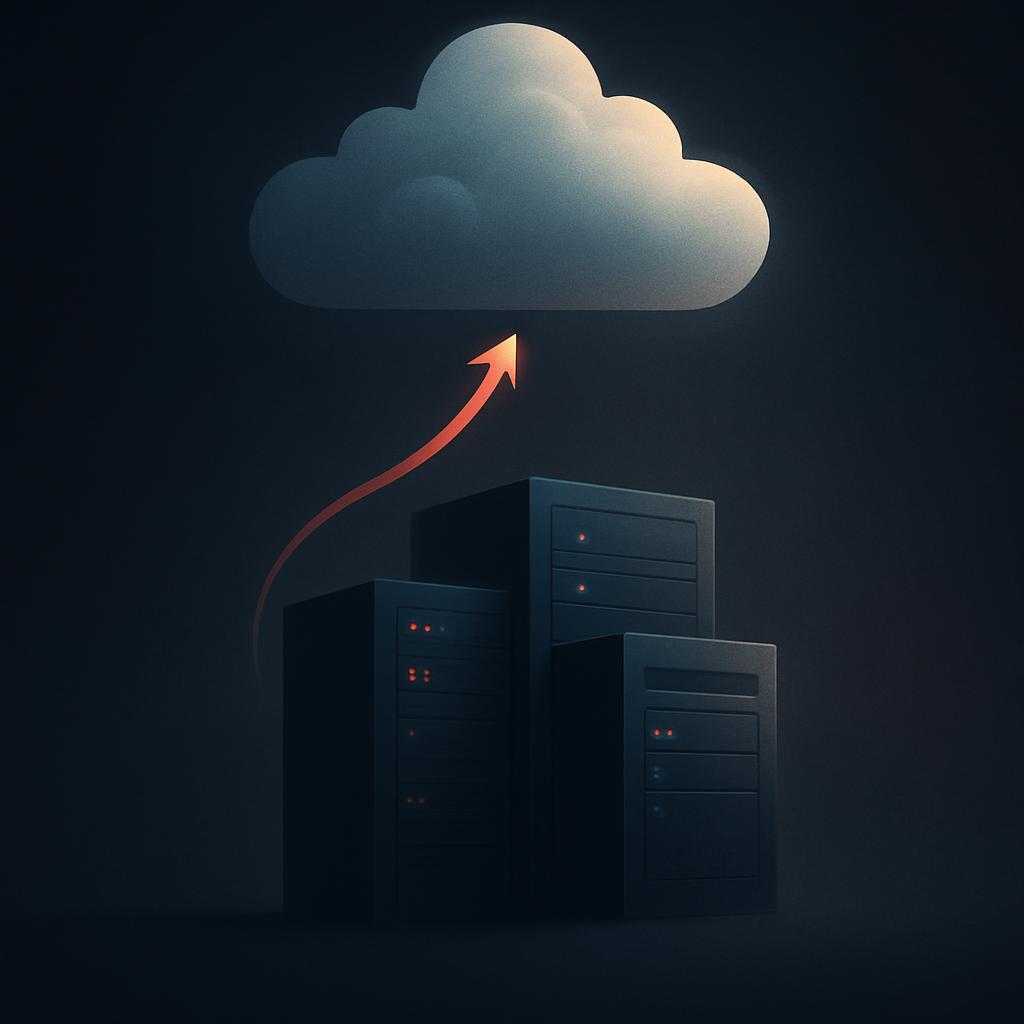
A startup’s servers are the computers that run its software and store or process its data. Migrating them to the cloud means shifting some or all of that work from computers the company owns or rents in a particular facility to computing resources rented from a cloud provider’s data centers.
Those resources may be virtual machines—software-defined computers carved out of powerful physical machines—or managed services for databases, file storage, and other tasks. The hardware still exists; it is simply operated by the provider rather than maintained directly by the startup.
The move is more than copying files
A migration usually means configuring a new environment, transferring application code and data, and making sure the pieces can communicate securely. Engineers must also test that the application behaves correctly there. Often, they shift work in stages: run a service in the new environment, check it, then direct users to it. Databases and other stateful systems need particular care because new activity must not be lost or split between old and new copies.
The change can also require adjustments to how software is deployed and monitored. A server that once needed hands-on maintenance may be replaced by a service the provider updates, while the startup remains responsible for its application, access permissions, and data. “In the cloud” does not automatically mean “managed by someone else.”
What the startup gains—and takes on
Cloud resources can be provisioned quickly and expanded when demand rises, without buying and installing more hardware first. That flexibility is useful when a small company cannot predict how many people will use its product. But rented capacity still costs money, and poorly configured systems can waste it. The company also depends on the provider’s infrastructure and must plan for outages, backups, security, and service limits.
So the practical change is not that the startup’s software floats somewhere intangible. Its computing runs on physical machines in someone else’s data center, with the provider handling more of the infrastructure and the startup choosing how much control to keep.