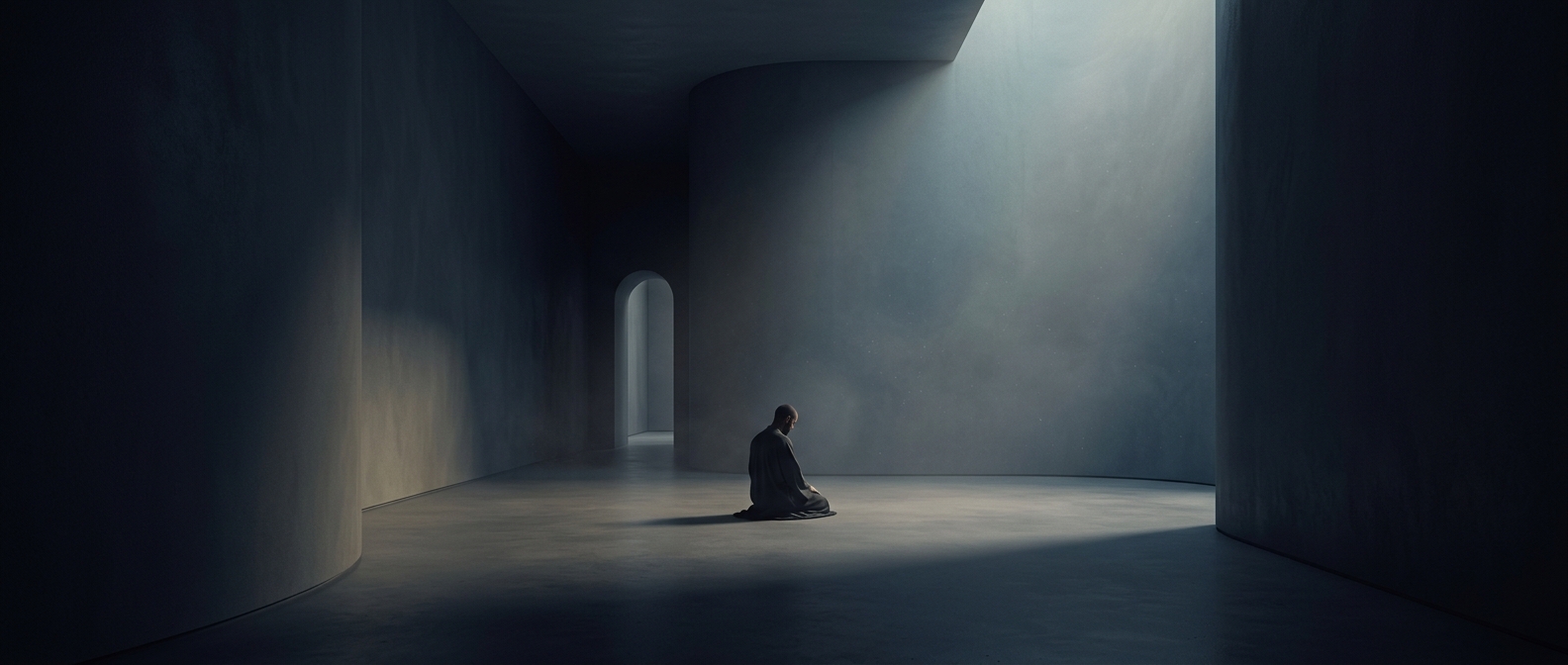
Why Sunlight Can Wear You Down Before the Heat Peaks
Bright sunlight strains the eyes even when the air temperature is moderate. Light scattered by the atmosphere and reflected off nearby surfaces can create glare: the eye must constantly adjust, while squinting narrows the field of view and tires the muscles around it. The result can be temporary discomfort, difficulty concentrating, and a sense of visual fatigue—not literal blindness.
Glare and Heat Are Different Burdens
Sunlight also warms exposed skin. The body responds by sending more blood toward the skin and producing sweat, which helps release heat. In humid or still conditions, sweat evaporates less effectively, so cooling becomes harder. That can leave someone feeling drained even when they are not standing in the hottest part of a landscape.
The image of being “roasted alive” works as an exaggeration for this combination of glare and accumulating warmth. It should not be confused with heatstroke, a dangerous medical emergency involving the body’s failure to regulate its temperature. A person can feel worn out by sun exposure without having heatstroke, but worsening confusion, fainting, or very high body temperature calls for urgent help.
Shade changes both parts of the experience: it cuts direct glare and reduces the radiant heat reaching the body. That is why stepping out of the beam can feel like a sudden reprieve, even though the surrounding air has not cooled.