How dissolved cholesterol becomes a stone
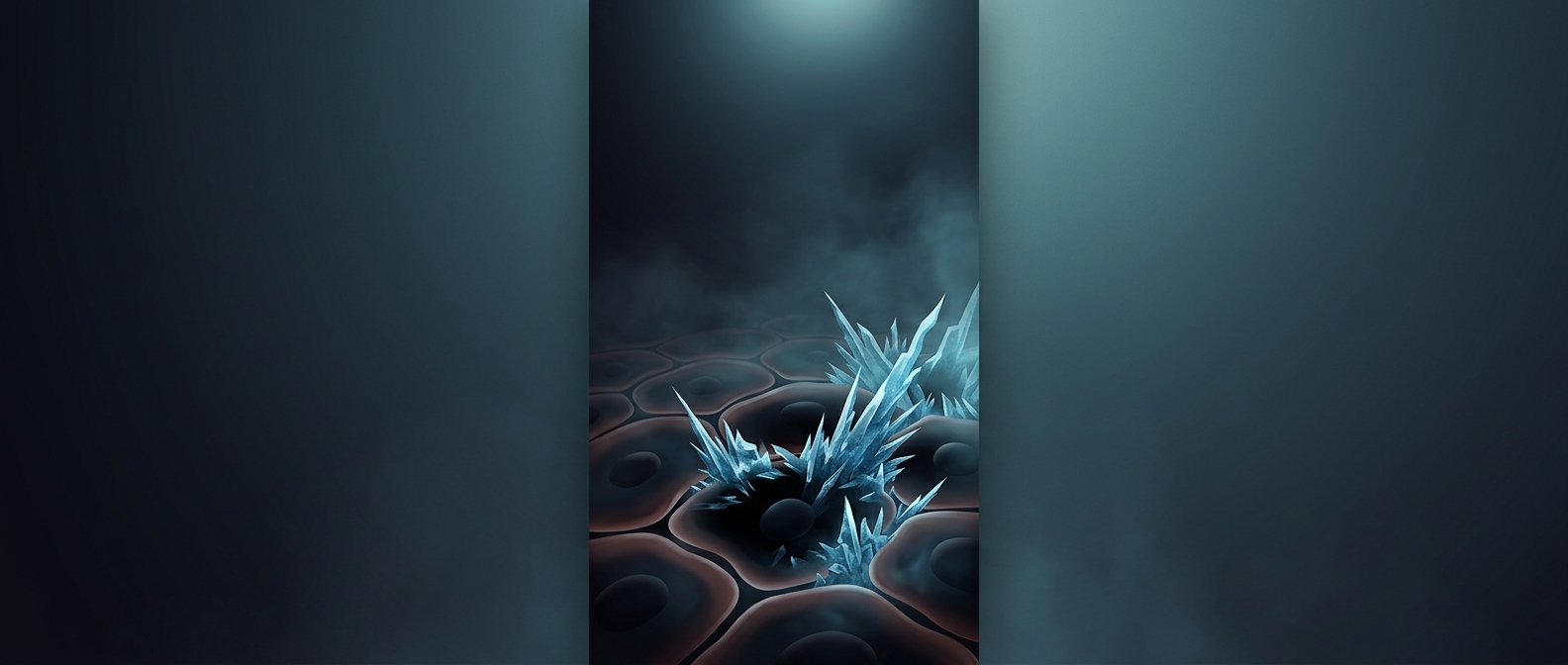
Bile is made by the liver and stored in the gallbladder, a small pouch beneath it. It carries cholesterol alongside bile salts and other substances that help keep the cholesterol dispersed in fluid. Because cholesterol does not dissolve readily in water, the balance among these ingredients matters: if bile contains more cholesterol than its salts can keep dispersed, tiny cholesterol crystals can begin to form.
The gallbladder’s role can influence what happens next. It removes water from stored bile, making the fluid more concentrated, then contracts to release bile into the intestine after a meal. If crystals remain in the gallbladder rather than being swept out, they can accumulate and grow. A gallstone is therefore not usually a single instant deposit; it can develop as microscopic crystals collect into a larger solid. Many stones contain cholesterol mixed with other material rather than being pure cholesterol.
Why a stone can cause sudden pain
A stone can sit in the gallbladder without causing noticeable trouble. The problem begins when it lodges in a narrow passage, often as the gallbladder contracts to push bile out. The backed-up pressure can trigger a painful attack; if the blockage persists, it may also lead to inflammation or interfere with bile flow elsewhere.
That difference explains why the same kind of stone can be harmless in one place and urgent in another. Its effects depend less on its rocklike appearance than on whether it obstructs the small ducts through which bile must travel.