Why a twist can threaten the testicle
Each testicle is connected to the body by the spermatic cord, which carries blood vessels as well as the tubes and nerves involved in reproductive function. In testicular torsion, the testicle rotates and twists this cord. The vessels are compressed, so oxygen-rich blood can no longer reach the tissue normally.
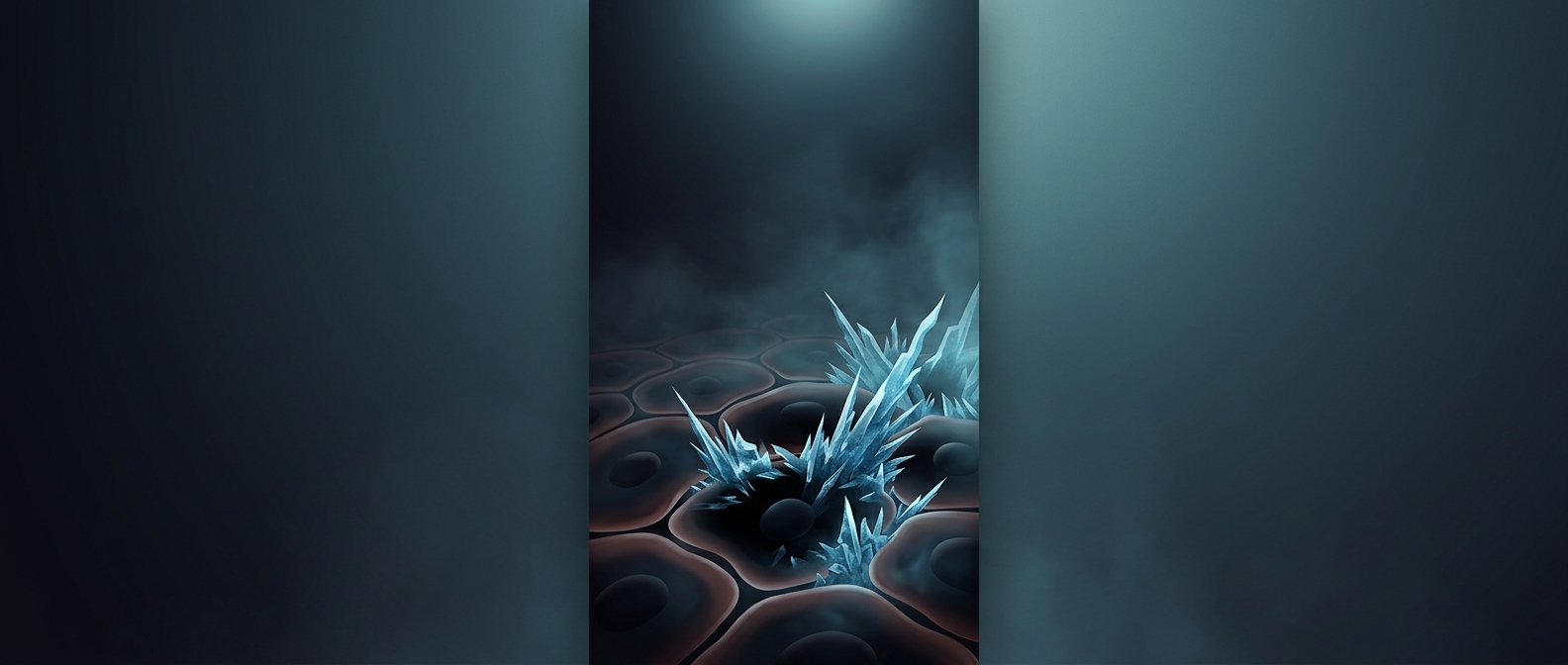
The resulting pain is often sudden and severe, but the underlying danger is the interruption of circulation. If blood flow stays blocked, testicle cells begin to suffer damage and can die. How much tissue can be saved depends in part on how quickly the cord is untwisted and circulation returns.
Why treatment cannot wait
Torsion is an emergency because the twist may need to be corrected before the loss of blood supply causes lasting injury. Clinicians assess the symptoms and may use imaging, but suspected torsion requires prompt medical evaluation rather than waiting to see whether the pain passes.
Treatment usually involves surgery to untwist the cord and secure the testicle so it is less likely to rotate again. The other testicle is often secured at the same time because the anatomical tendency that allowed one to twist may affect both. If the affected tissue has been too badly damaged, it may need to be removed.
That is why sudden testicular pain calls for urgent care: the critical clock is set by blood flow, not by how tolerable the pain feels.