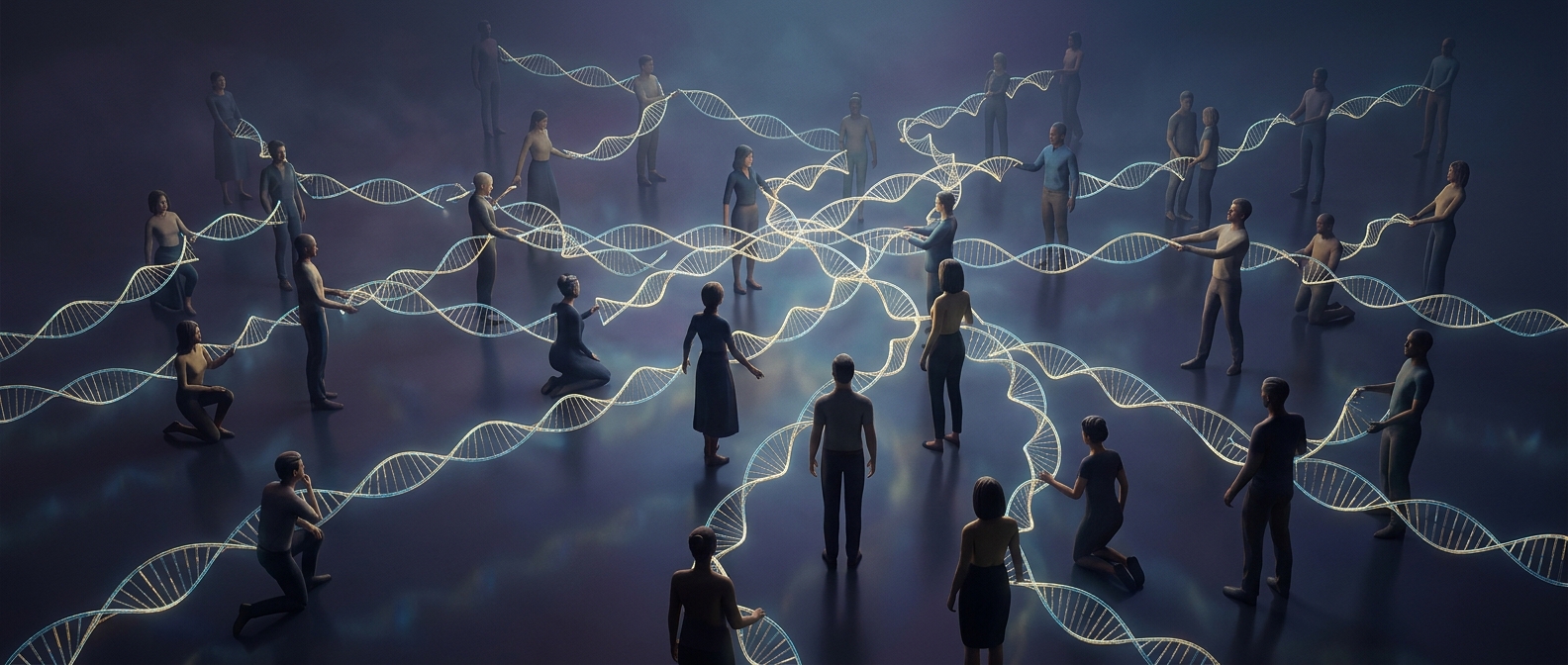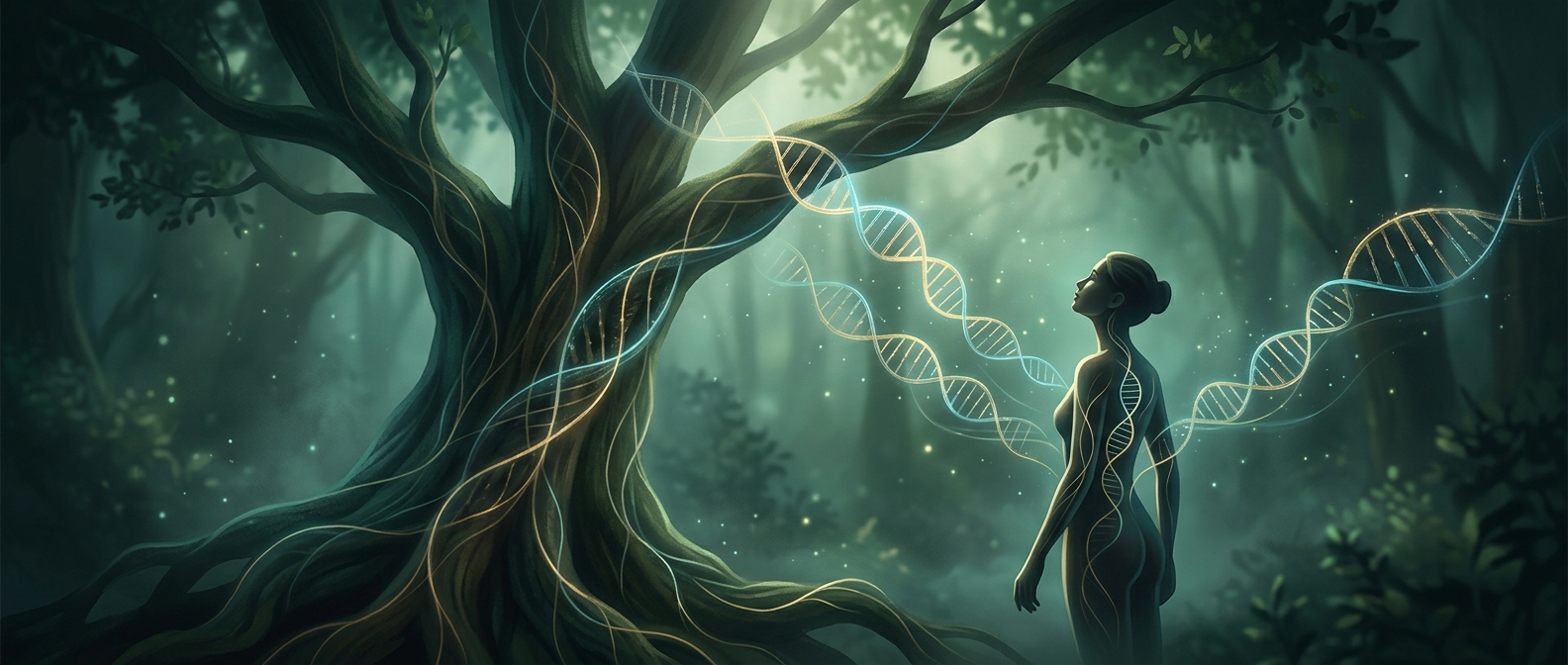
Why a Human Cell and an Oak Cell Share Instructions
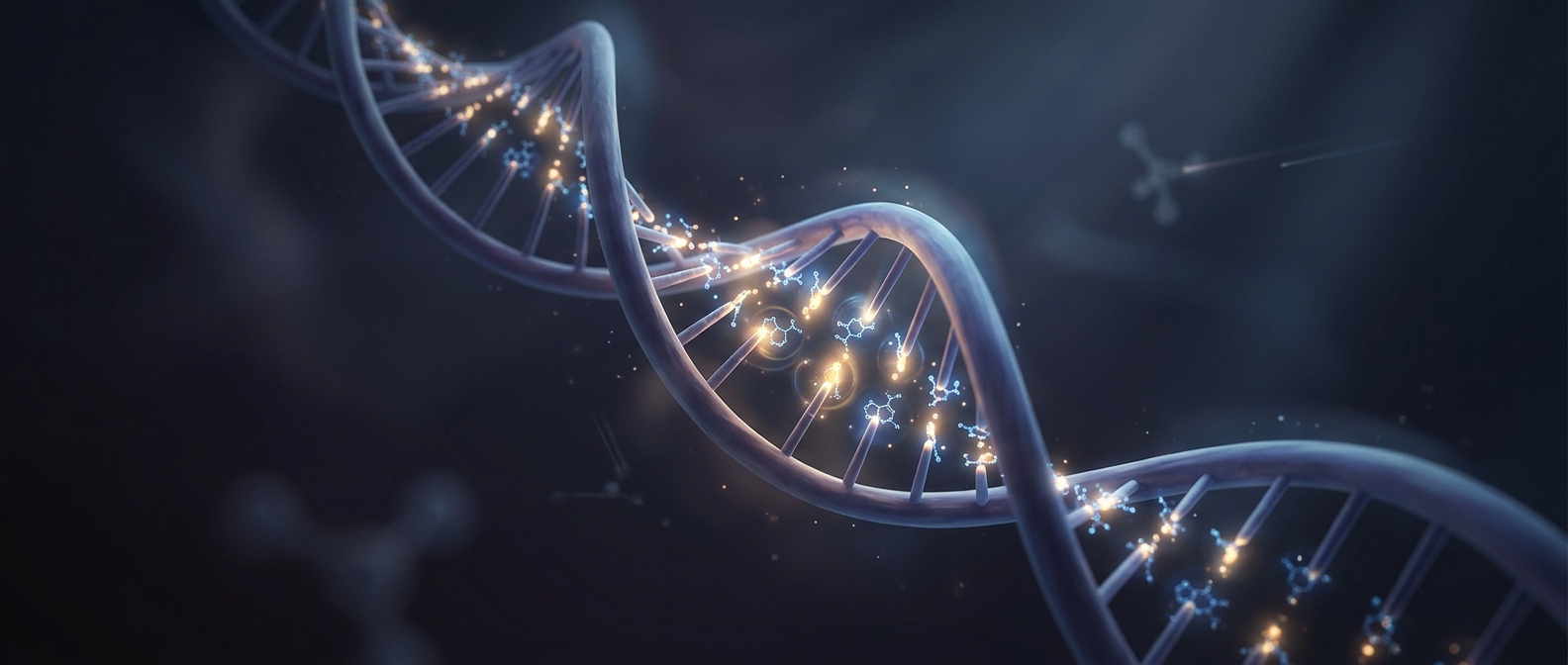
The overlap comes from the basic work every living cell must do. Cells need to copy DNA, read genes to make proteins, move materials around, and manage energy. Many of the molecular tools for these jobs are ancient: plants and animals inherited related versions from distant common ancestors, and those instructions stayed recognizable because cells still rely on them.
A gene is a stretch of DNA that helps produce a functional product, often a protein. When researchers say two species share genes, they generally mean they can identify corresponding genes with related sequences or roles—not that every letter of those genes is identical. The reported percentage also depends on how “shared” is defined and which genes are compared.
Shared Parts, Different Organisms
Conserved cellular genes are only part of each organism’s genetic toolkit. Plants have genes for tasks such as photosynthesis and building rigid cell walls; humans have genes involved in traits plants do not have, including the development of nerves and muscles. Even shared genes can be regulated differently or work alongside different partners, helping produce very different bodies.
So a shared-gene percentage is a clue to common biological machinery, not a measure of how alike two organisms are. The practical implication is striking: beneath the visible divide between a person and a tree, some of the same kinds of molecular instructions help keep their cells functioning.