How freezing injures living tissue
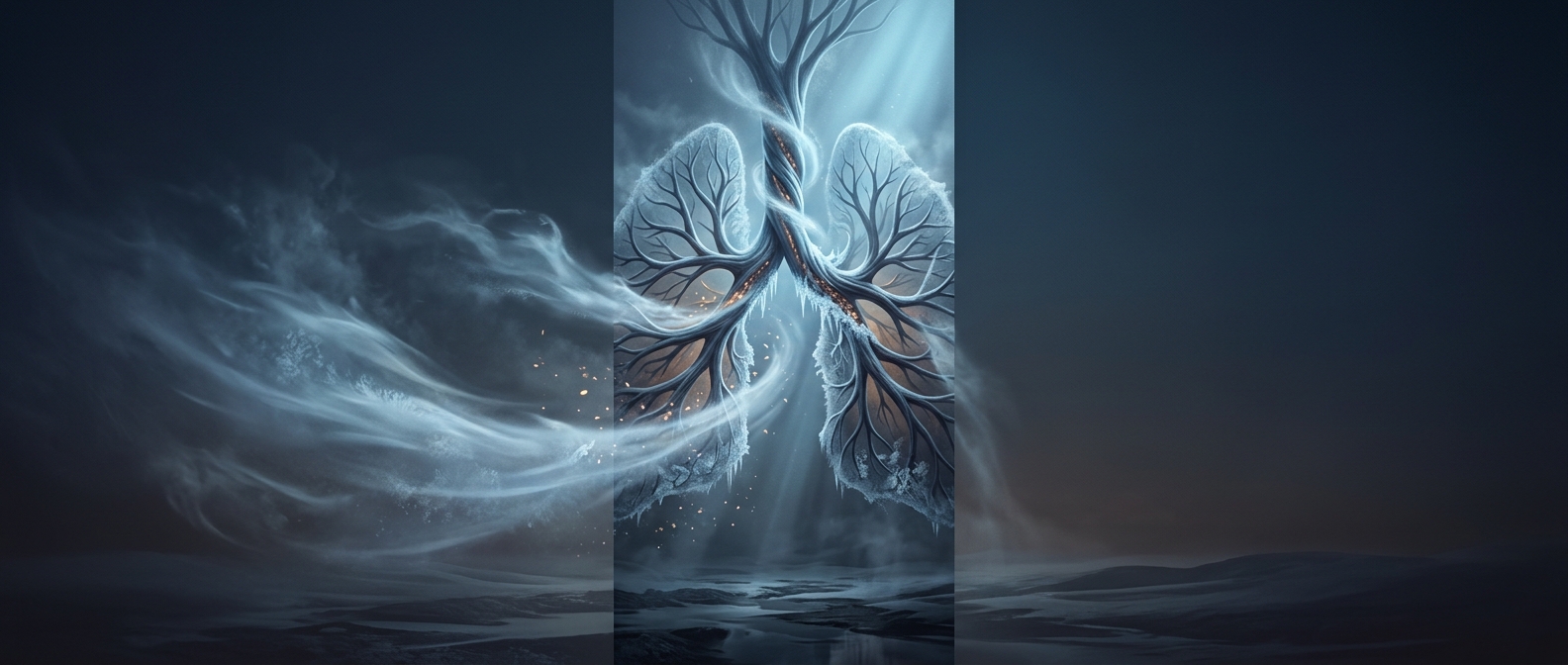
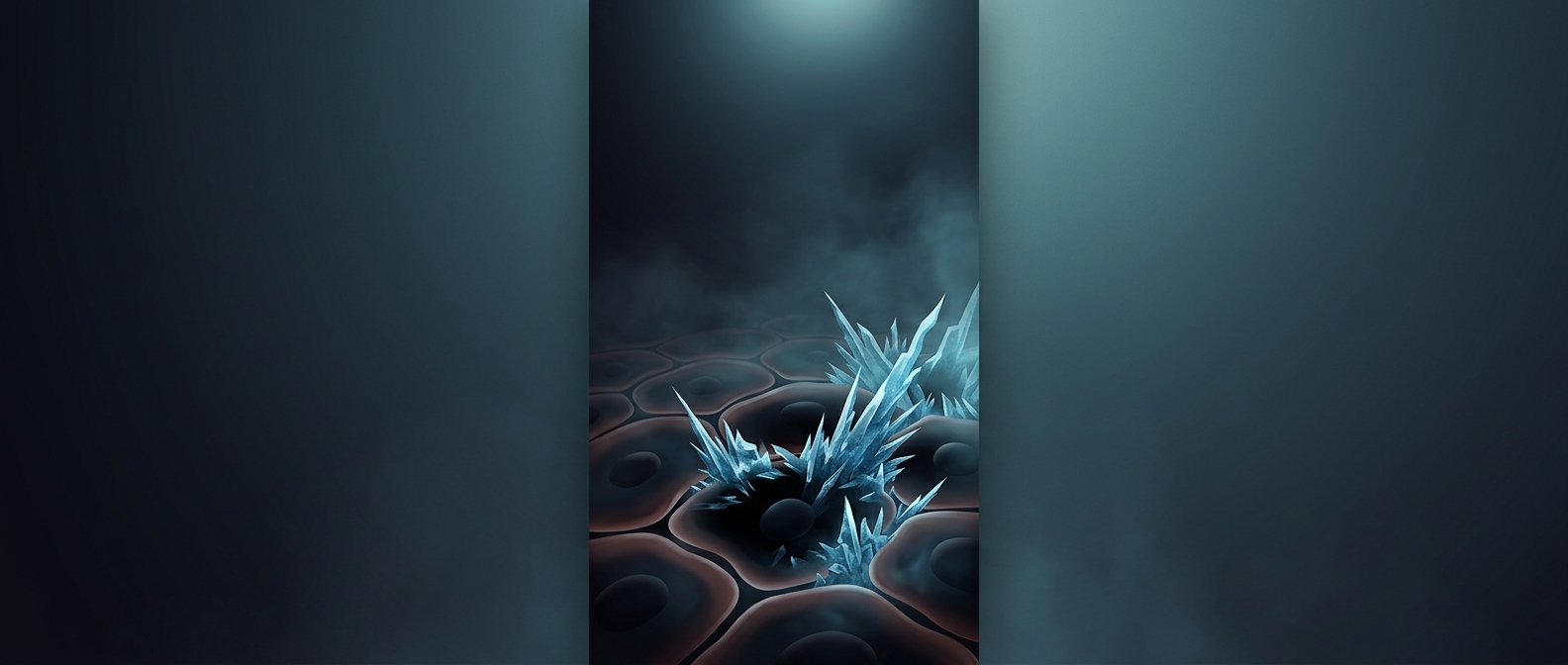
Frostbite is not simply a patch of skin becoming cold. As tissue temperature drops below freezing, water in the spaces around cells can turn to ice. Ice crystals exclude dissolved salts, leaving the remaining liquid more concentrated. Water then moves out of nearby cells toward that salty fluid, making the cells shrink and disrupting the membranes that keep their contents contained.
If the cells themselves freeze, ice can form inside them too. Those crystals can physically rupture delicate internal structures. The longer tissue stays frozen—and the more deeply it freezes—the more widespread the injury can become.
Why damage can continue as tissue thaws
Freezing also affects tiny blood vessels. Their narrowed or injured walls can limit circulation, depriving tissue of oxygen and making it harder for the body to repair the area. When the tissue warms, renewed blood flow and inflammation can add stress to cells already weakened by ice and dehydration.
That is why frostbite’s eventual damage may be greater than the initial numb, cold sensation suggests. Some cells recover, while others die; the resulting loss of tissue depends on how much was injured. The crystals are only part of the story: the shift of water out of cells and the disruption of their blood supply help determine whether frozen tissue can recover.