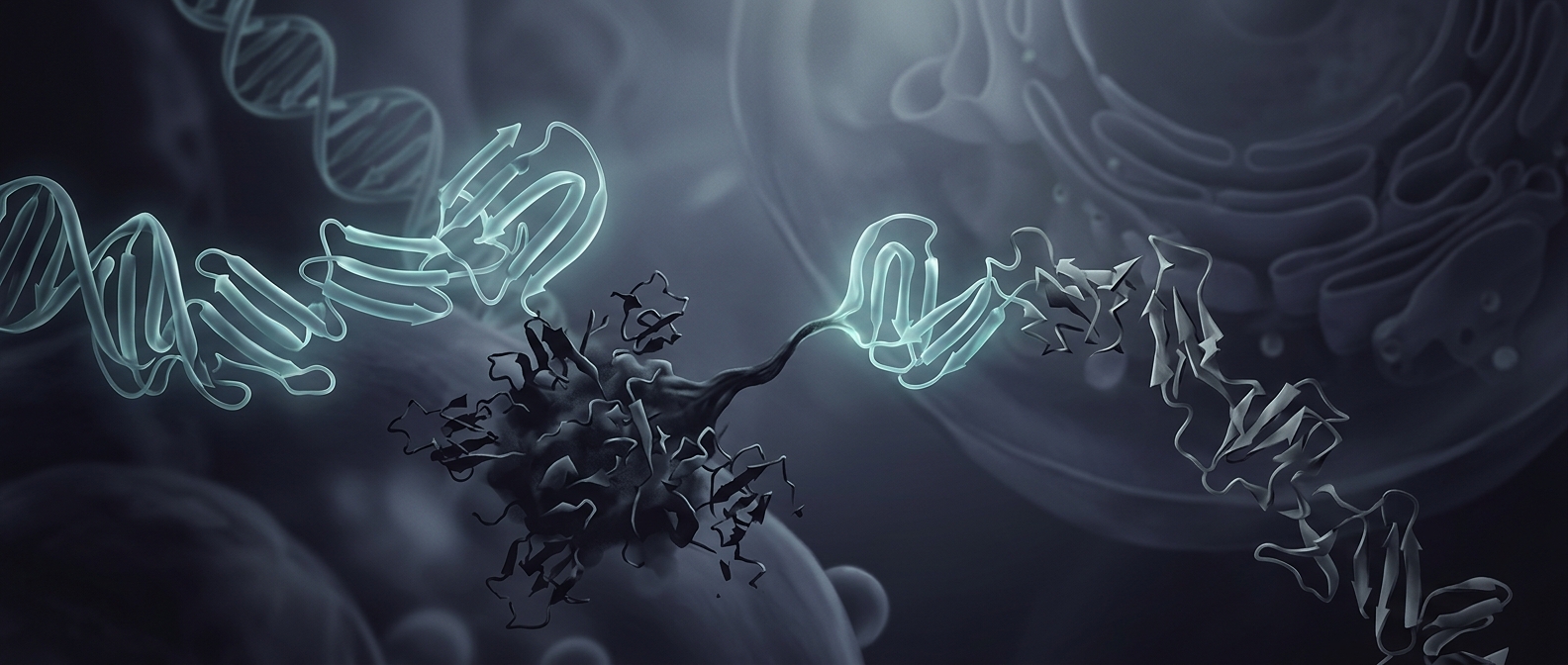
How a small growth can become a heavy mass
A fibroid begins when a uterine muscle cell starts multiplying more than it should. The resulting growth is not just a ball of muscle: its cells also lay down extracellular matrix, the supportive material that surrounds cells. Rich in proteins such as collagen, this material gives fibroids their dense, firm texture and adds bulk.
Fibroids respond to the hormones estrogen and progesterone, which help regulate the lining and muscle of the uterus. That responsiveness can affect how a fibroid grows over time, but it does not explain why one person develops a tiny growth while another develops a very large one. Growth rates vary, and a fibroid may stay small for years or enlarge substantially.
Size changes what the uterus can do
The uterus is a flexible muscular organ, so it can stretch as a fibroid expands. A large growth may fill much of the pelvic or abdominal space; its weight and position can push on the bladder or bowel, or alter the uterus’s shape. That pressure—not simply the fact that the growth is benign—is what can produce symptoms such as frequent urination, constipation, pelvic heaviness, or a visibly enlarged abdomen.
Fibroids can also grow in different places: within the uterine wall, toward its inner cavity, or outward from its surface. Location helps determine which structures are crowded and whether the uterus’s cavity is distorted. A fibroid’s size matters, but its position helps explain what that size means for the body.