A random roll gives frustration somewhere to go
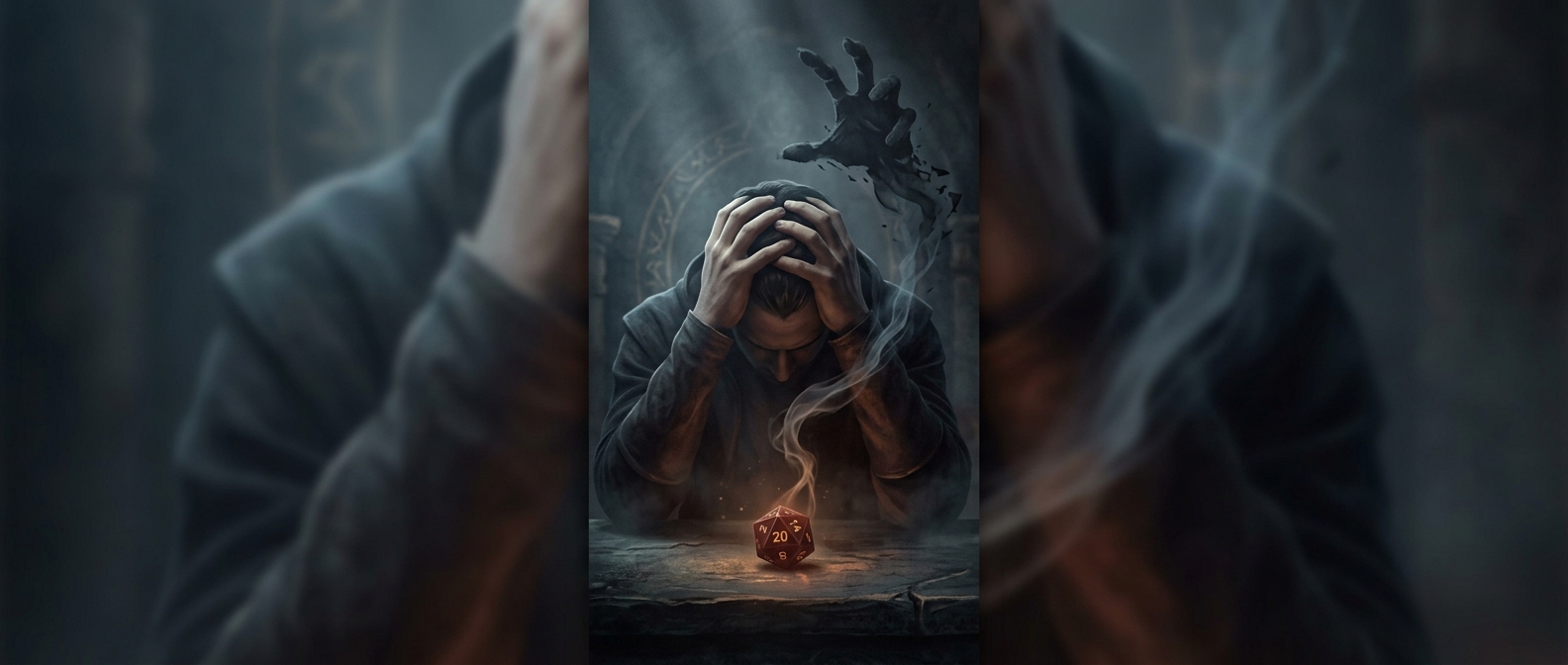
A die cannot choose a number, but a disappointing roll can still feel personal. When a game depends on chance, a player has little control over the outcome—and little to analyze or fix. Blaming the die gives that helpless feeling a target. Instead of sitting with “I got unlucky,” you can scold the object that seemed to ruin your turn.
Why an object can feel like an opponent
People naturally read intention into events that affect them, especially when the result matters in the moment. A die that keeps producing unwanted numbers can seem stubborn or hostile, even though each roll is just the die responding to how it was tossed and landed. Treating it like an adversary turns an abstract run of bad luck into a simple story: you did your part, and the die let you down.
That story can be emotionally useful. It briefly shifts blame away from your decisions and makes frustration easier to express. Yelling at a cube is also low-stakes: unlike accusing another player, it is unlikely to damage a relationship or start an argument.
The comfort—and the catch
The die cannot hear the complaint, and scolding it does not change the odds of the next fair roll. But the ritual can still make a bad turn feel less powerless. The small comic performance turns chance into a temporary rival—and lets the game move on once the next roll begins.