When the Engine Shared the Driver’s Space
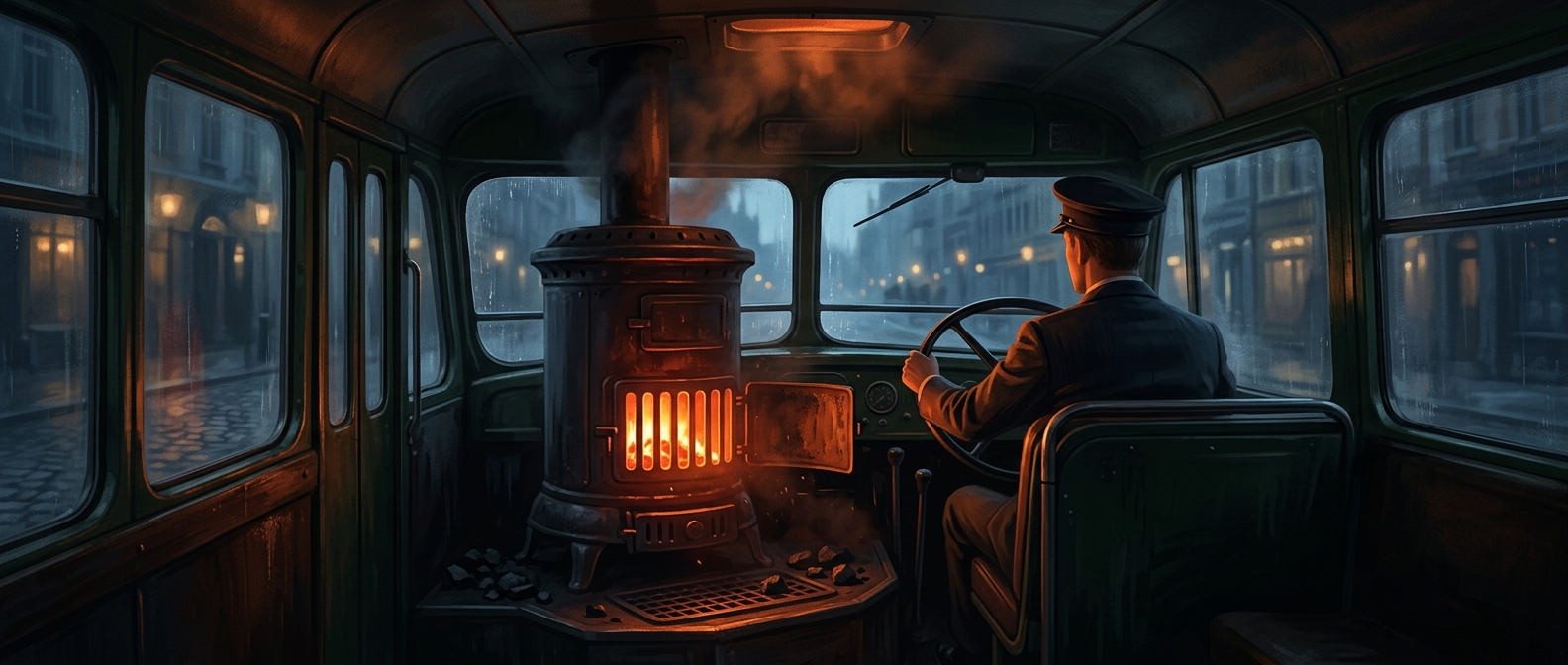
On some older bus layouts, the engine was close enough to the driver’s cab that heat could seep through nearby panels and into the working area. The glass enclosure made the effect more noticeable: sunlight passed through the windows, then warmed the seat, dashboard, and other surfaces inside. With little separation from the engine and limited airflow, the cab could hold onto that warmth like a small greenhouse.
A Visibility Choice With a Thermal Cost
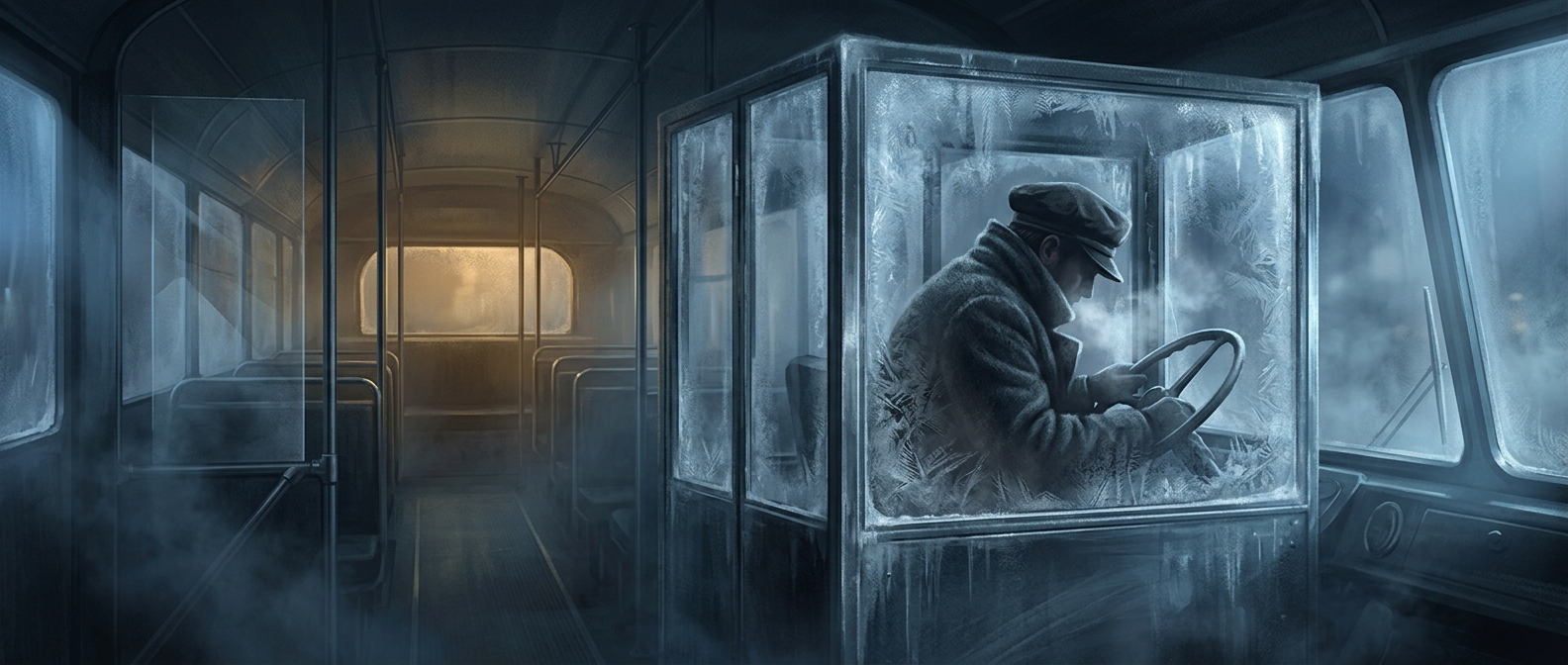
Glass around the workspace gave the driver a broad view, useful for judging traffic and the bus’s position. But a clear sightline did not make a comfortable workplace. The driver remained at the controls for long stretches, and opening a window or increasing ventilation could help only so much if heat continued to enter from nearby machinery.
Later layouts could place more distance or barriers between the engine and the driver, changing how much engine heat reached the cab. The tradeoff in these older designs was tangible: the driver sat where the road was easy to see, but also where the bus’s own machinery could make the workday uncomfortably hot.