Surrender Is a Bet on Avoiding a Worse Loss
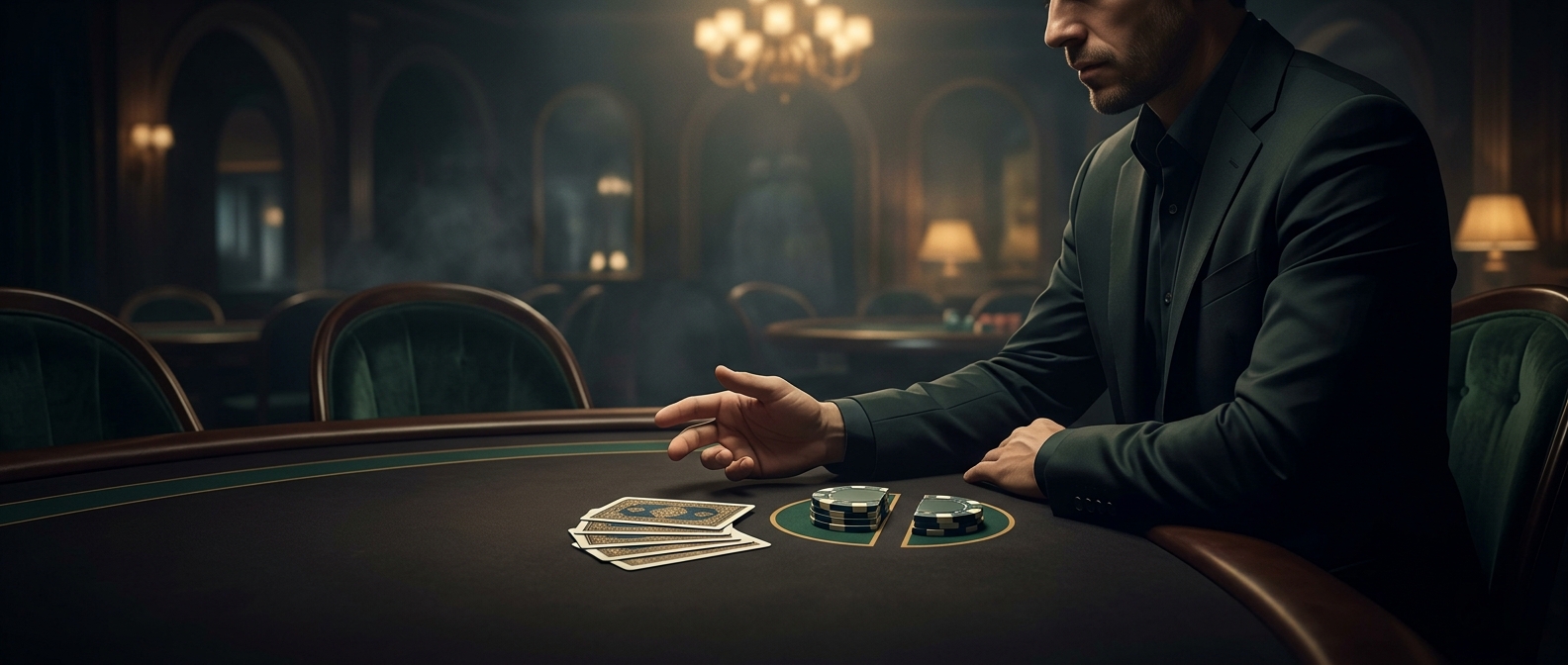
In blackjack, surrender is an optional rule that lets a player abandon a hand after the initial deal. The dealer takes half the original wager, and the player keeps the other half. It is not a way to recover money already lost; it limits the damage from a hand the player judges unusually unfavorable.
Why Give Up Before Seeing Another Card?
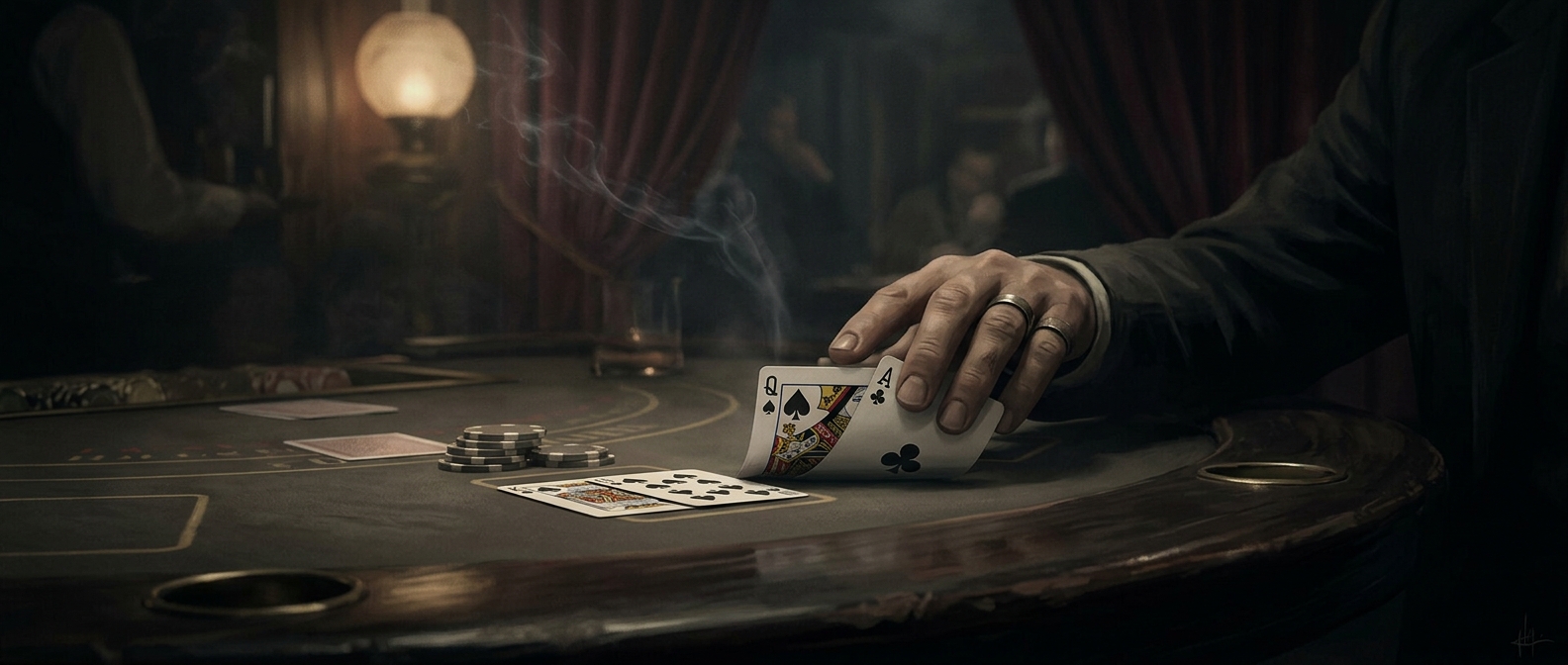
A hand such as 16 against a dealer’s ace can be difficult because neither ordinary choice is attractive. If the player stands, the dealer may make a stronger hand. If the player hits, a card worth 6 or more will usually push the player over 21 and end the hand immediately. Surrender trades the chance of winning for a known, smaller loss.
That trade can make sense when the expected loss from playing on is greater than half the wager. The calculation depends on the player’s cards, the dealer’s visible card, and the table’s rules—not simply on whether a hand feels bad. A 16, for example, is not automatically a surrender; the other card and the dealer’s card matter.
The Rule Changes the Choice, Not the Cards
Casinos that offer surrender usually restrict when it can be used: the decision is made early, before the player takes another card, and often before the dealer checks for blackjack. Those details matter because surrender is valuable only while it can prevent further losses. A table without the option forces the player to choose between hitting and standing, even in a situation where folding would be the better gamble.
The practical point is simple: surrender does not make a weak hand good. It gives the player a third choice—accept a measured loss now rather than expose the full wager to a worse outcome.