A toast made fellowship visible
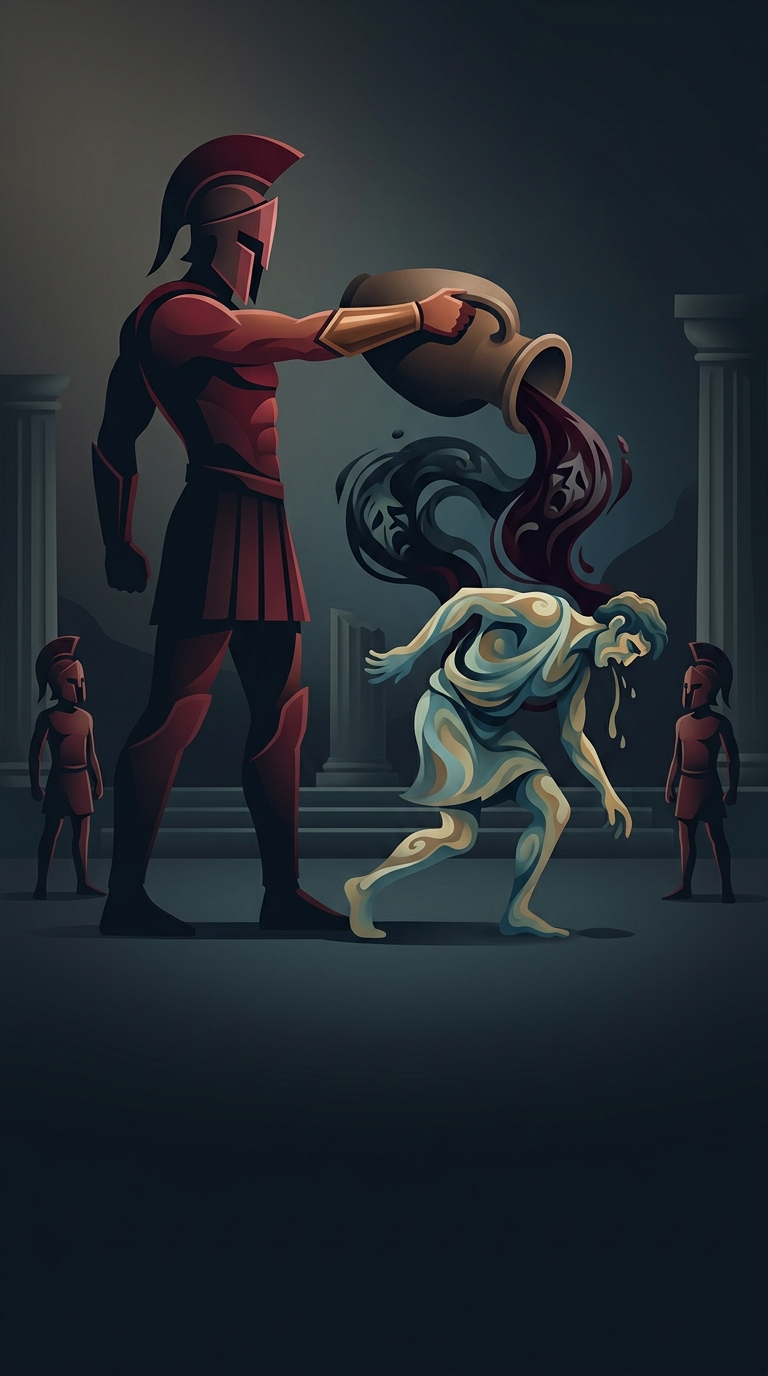
There is no well-documented moment when people first began clinking drinking vessels, so the custom cannot be traced to one inventor or a single original purpose. The familiar claim that diners struck cups together to splash wine into one another’s drink—proving it was not poisoned—makes a good story, but historians have no solid evidence that this was the custom’s origin.
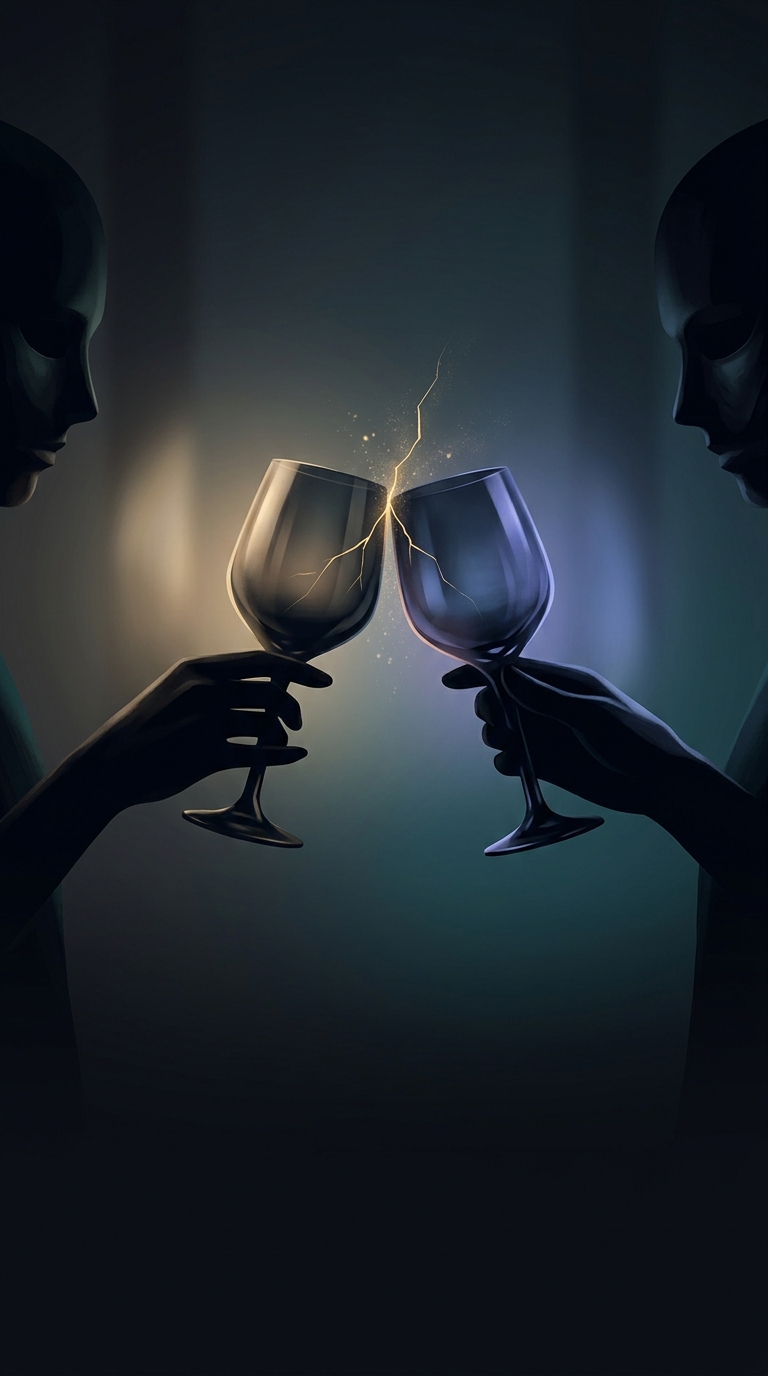
A more cautious explanation is social: a shared drink was already a way to mark hospitality, agreement, or celebration, and bringing vessels together made that shared moment tangible. The contact produced a sound and a gesture everyone at the table could recognize. In a group, it turns separate drinks into one collective act: raise, meet, drink.
From shared drink to shared ritual
Toasting traditions have taken many forms across time and place. People might raise a cup, speak a wish, or drink in another person’s honor; clinking became one familiar addition. Its appeal is easy to understand even without a precise origin story. A brief, physical gesture invites everyone to participate, while the sound punctuates the pause before drinking.
That is also why the custom persists when people are drinking water, using plastic cups, or celebrating without a formal toast. The vessel matters less than the signal. Clinking is best understood not as a proven safeguard against poison, but as a small ritual that makes a drink—and the occasion around it—feel shared.