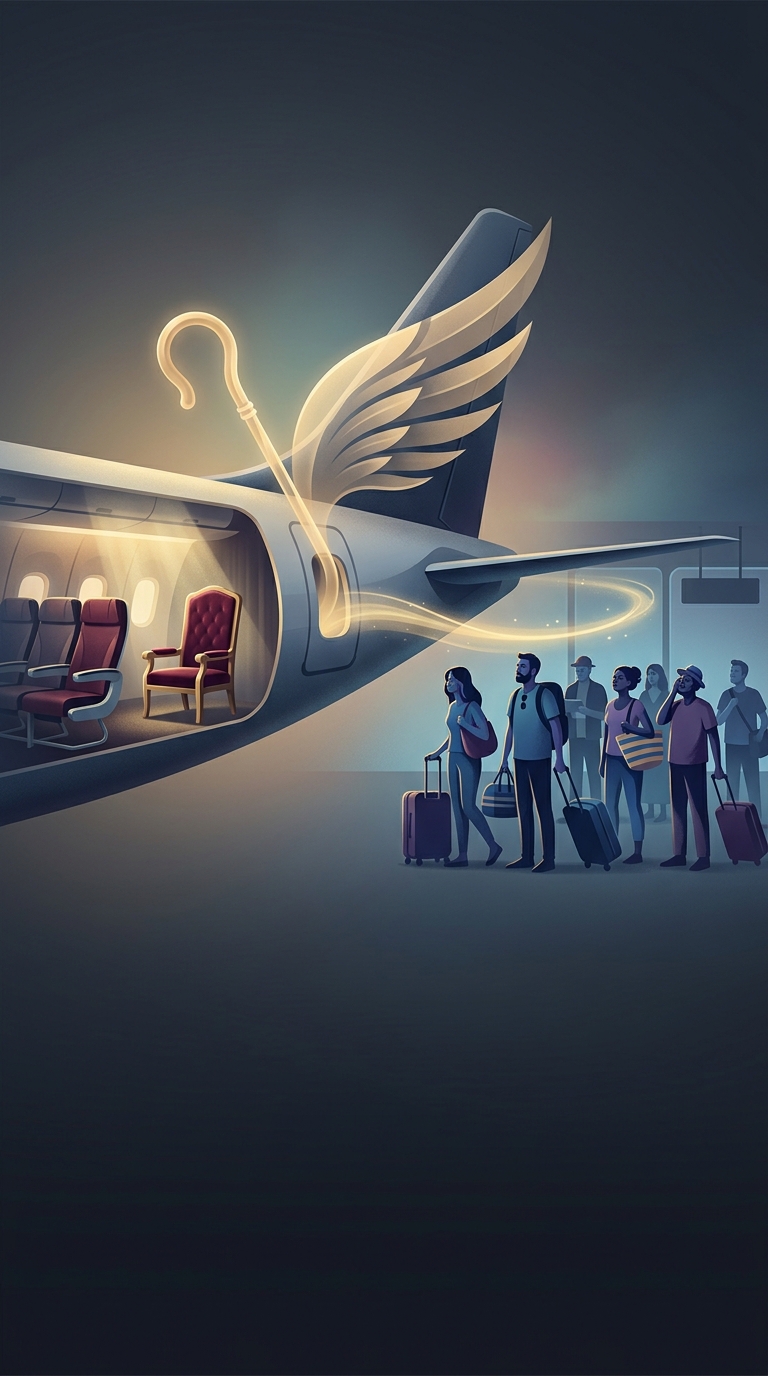
A name assigned to a particular journey
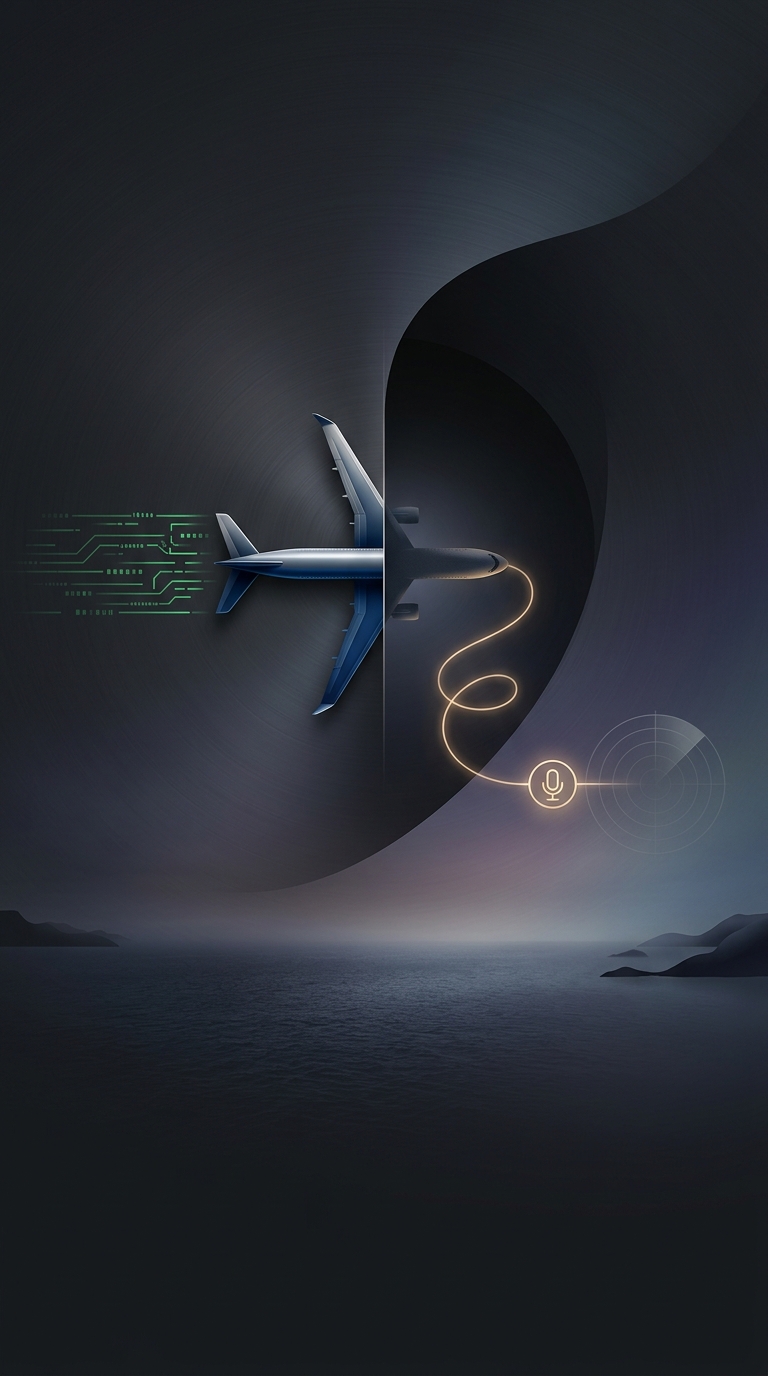
“Shepherd One” identifies the flight carrying the pope, not a special aircraft permanently set aside under that name. When the pope travels abroad on a specially chartered commercial plane, air traffic control uses the call sign to identify that mission over the radio.
That distinction matters because an aircraft’s paint, owner, or usual airline service does not determine its call sign. The call sign is the spoken identifier used in air-traffic communications; it can mark who or what a flight is carrying for that trip. When the mission changes, the name does not automatically stay with the plane.
Why a call sign matters
Controllers and pilots need to know exactly which flight they are discussing while coordinating movement through busy airspace. A distinct call sign gives the journey a clear identity in radio exchanges, separate from the aircraft’s appearance or commercial background. The arrangement resembles “Air Force One,” which is also tied to a mission rather than to one uniquely painted airframe.
So the striking part is not that the pope travels in a permanently named royal aircraft. It is that an ordinary chartered commercial flight can take on a distinctive identity for the duration of a specific journey—one that air traffic control can use when speaking to the plane.