How loose wood scraps become a flat panel
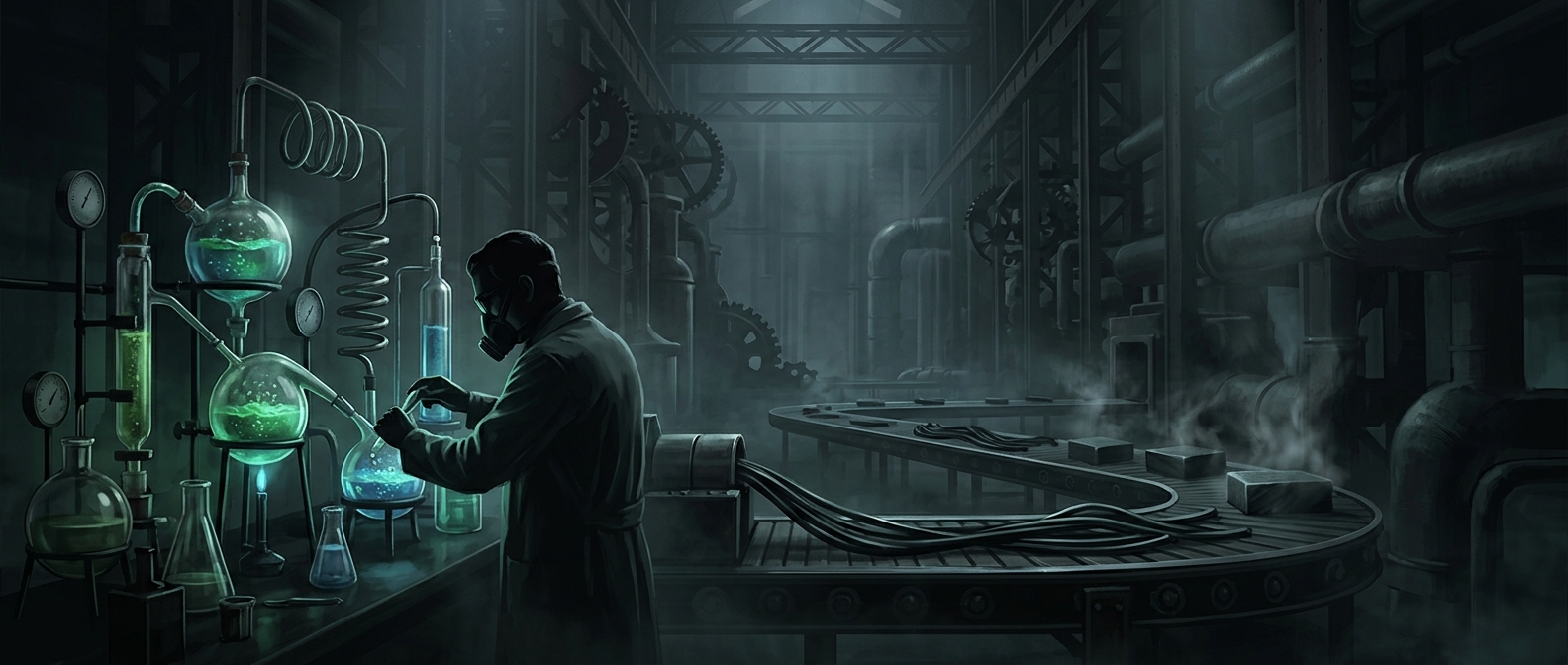
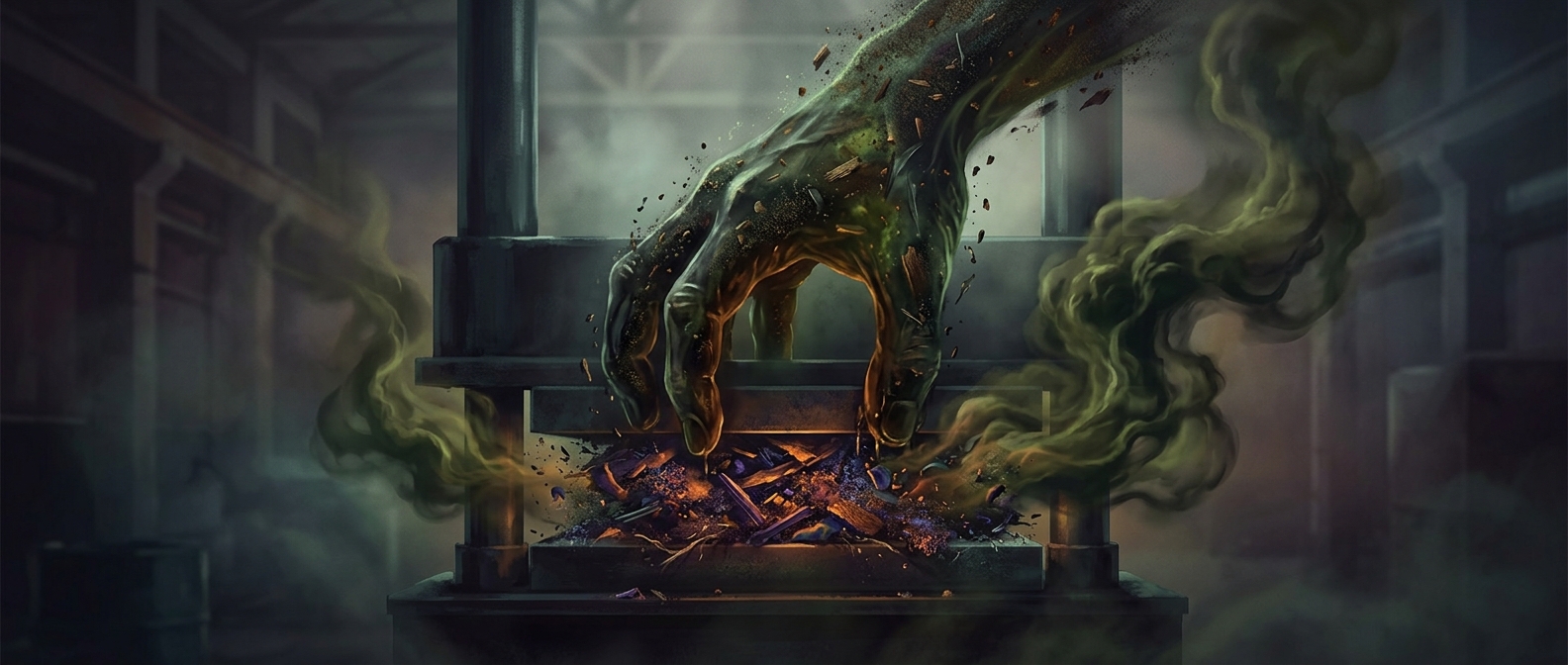
Particleboard starts with wood particles—often small chips, shavings, and sawdust left over from other wood processing. Manufacturers dry and sort them, mix them with adhesive resin, and spread the mixture into a mat. Heat and pressure in a press cure the resin while compressing the mat into a dense, uniform board.
The process turns irregular leftovers into sheets that can be cut efficiently into furniture parts. The result is not a solid piece of wood: it is a composite, meaning a material made by bonding smaller pieces together.
The printed grain is a separate layer
A realistic wood pattern can come from a thin decorative paper or plastic film applied to the panel’s surface. That layer supplies the color and grain; it does not run through the board. A coating over it helps protect the finish from ordinary wear.
This division of labor keeps the visible surface consistent while the panel beneath is made from inexpensive wood particles. But the finish cannot make the core behave exactly like solid lumber. Particleboard can swell if water gets into it, and its ability to hold screws depends on the board’s density and how the fastener is installed. Damage to an edge may also reveal the coarse particles beneath the smooth surface.
The furniture’s appearance, in other words, can imitate a continuous grain even though its structure is assembled from fragments—a practical way to use wood that might otherwise be discarded.