The Air Gap Is the Ride’s Working Part
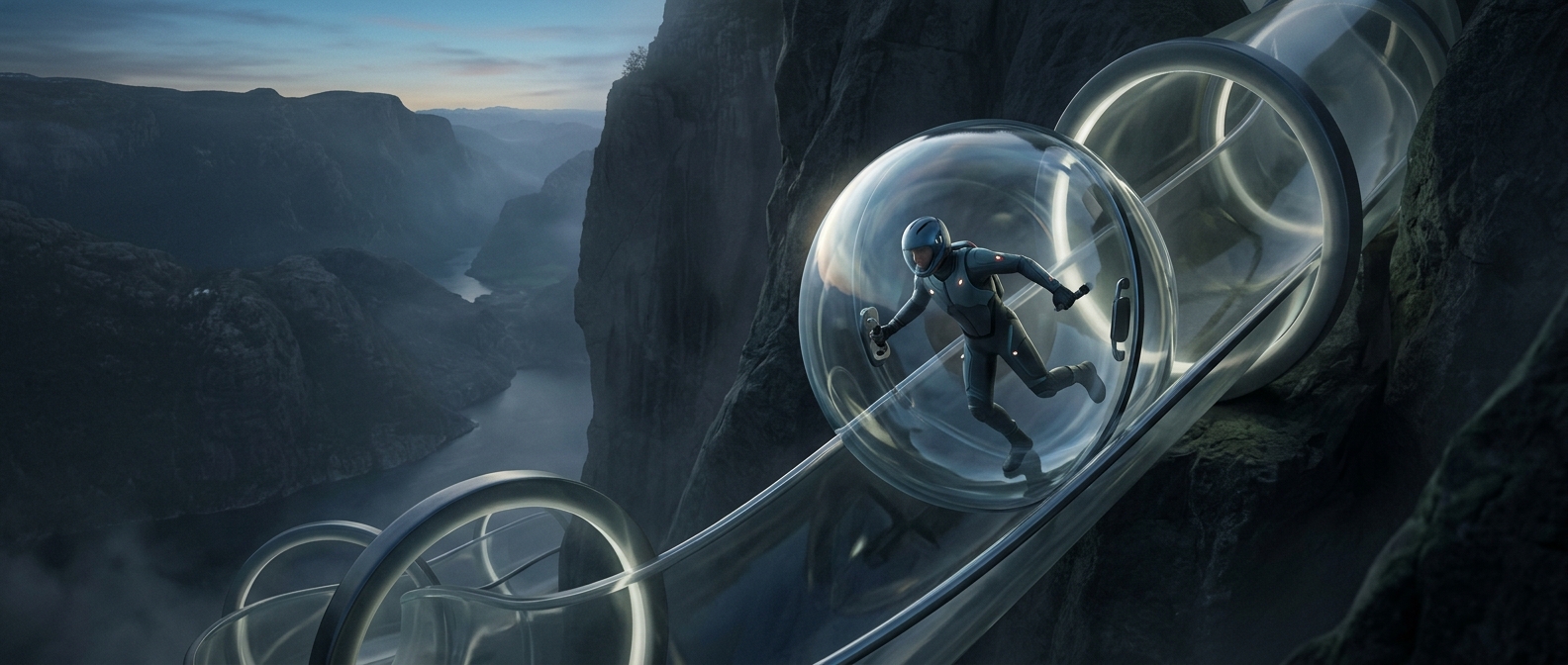
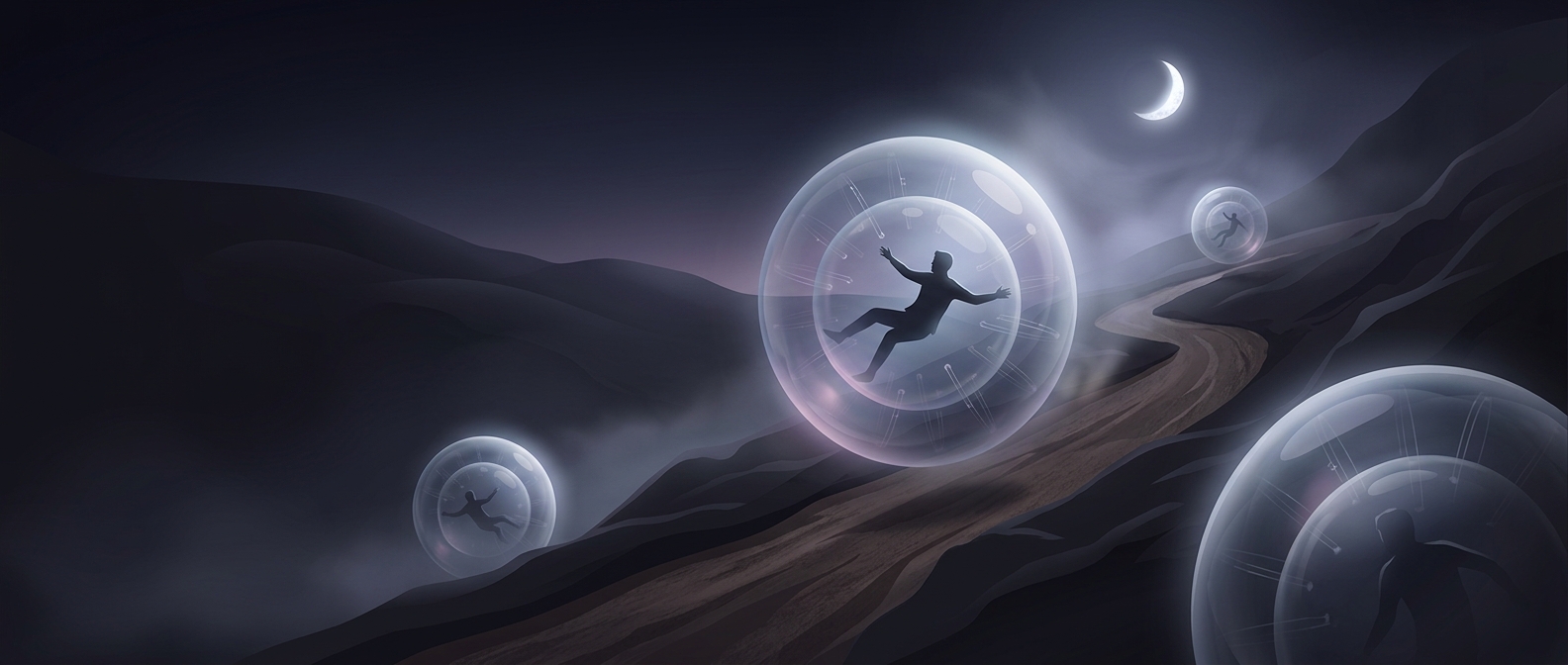
A zorb is not simply a person sealed inside a large plastic ball. Its two-sphere construction creates a deformable buffer: the outer shell meets the ground, while the inner sphere carries the rider. As the shell squashes at the contact point, the space between the layers lets it give way before the jolt reaches the center.
That extra distance matters. A sudden stop over a very short distance produces a sharper shove; spreading the change in motion over more time can make the impact feel less abrupt. The air gap helps do that, much like a cushion, though it cannot make every collision disappear.
A Tradeoff Between Cushion and Control
The shell has to be flexible enough to deform, yet substantial enough to keep its shape as the ball rolls. Too little give would pass more of a bump inward; too much deformation could make the sphere harder to roll predictably. The design therefore turns a simple motion—rolling downhill or across a surface—into a controlled compromise between absorbing a bump and continuing to move.
For the rider, the result is an unusual shift in perspective: the ground can push the outside of the ball, but the person inside does not touch that surface directly. The ride’s defining sensation comes from being carried along inside a moving buffer, rather than sitting on top of a vehicle that meets every bump head-on.