What the sleep measurements showed
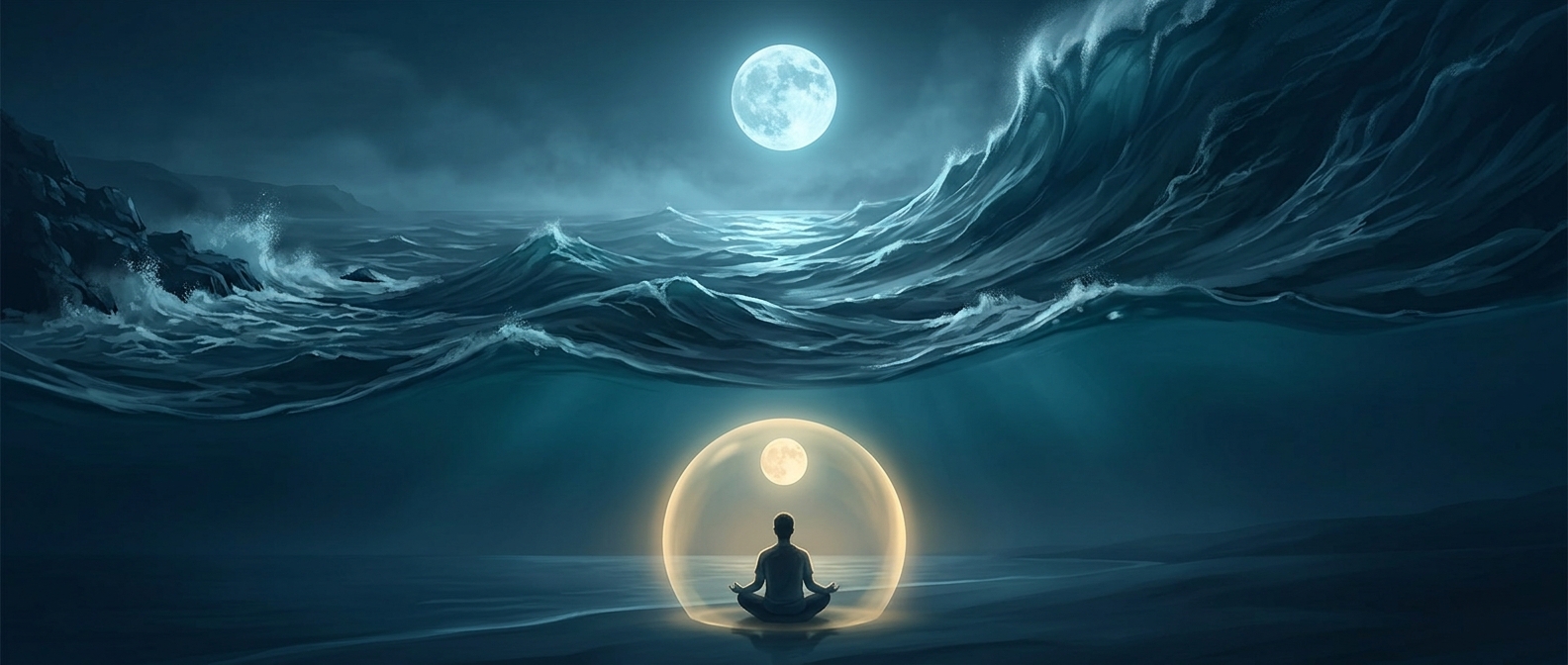
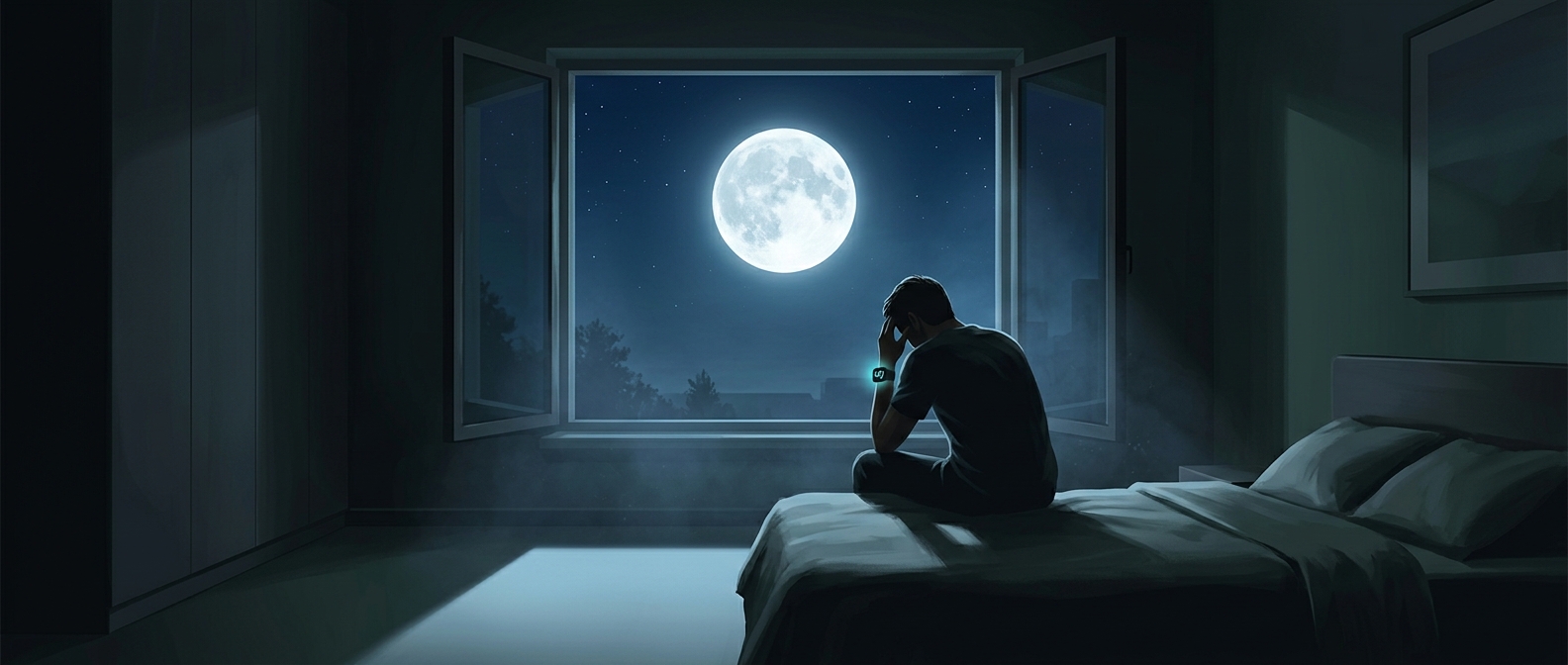
In a sleep-lab analysis, participants who did not know the Moon’s phase took longer to fall asleep and showed less deep sleep around the full moon. Researchers could detect sleep stages using brain-wave recordings: deep sleep is the stage marked by especially slow waves, not simply a person’s impression of how rested they feel.
Because the participants were unaware of the lunar phase, expectation or belief in astrology is not needed to explain the pattern. The observation was about sleep physiology, not a test of astrological claims.
A pattern is not yet a mechanism
The finding does not establish that moonlight—or any other lunar effect—caused the sleep changes. In a laboratory, ordinary exposure to bright moonlight is limited, so the result is not easily explained as people seeing a brighter night sky. Researchers have considered whether human sleep might respond to lunar timing, but the study could not show how such a response would work.
Nor does one study mean everyone sleeps worse at every full moon. The useful distinction is between a measurable pattern in a particular set of sleep records and proof of a reliable, universal effect. If the link is real, it is subtle enough that a person may not notice it on any given night.