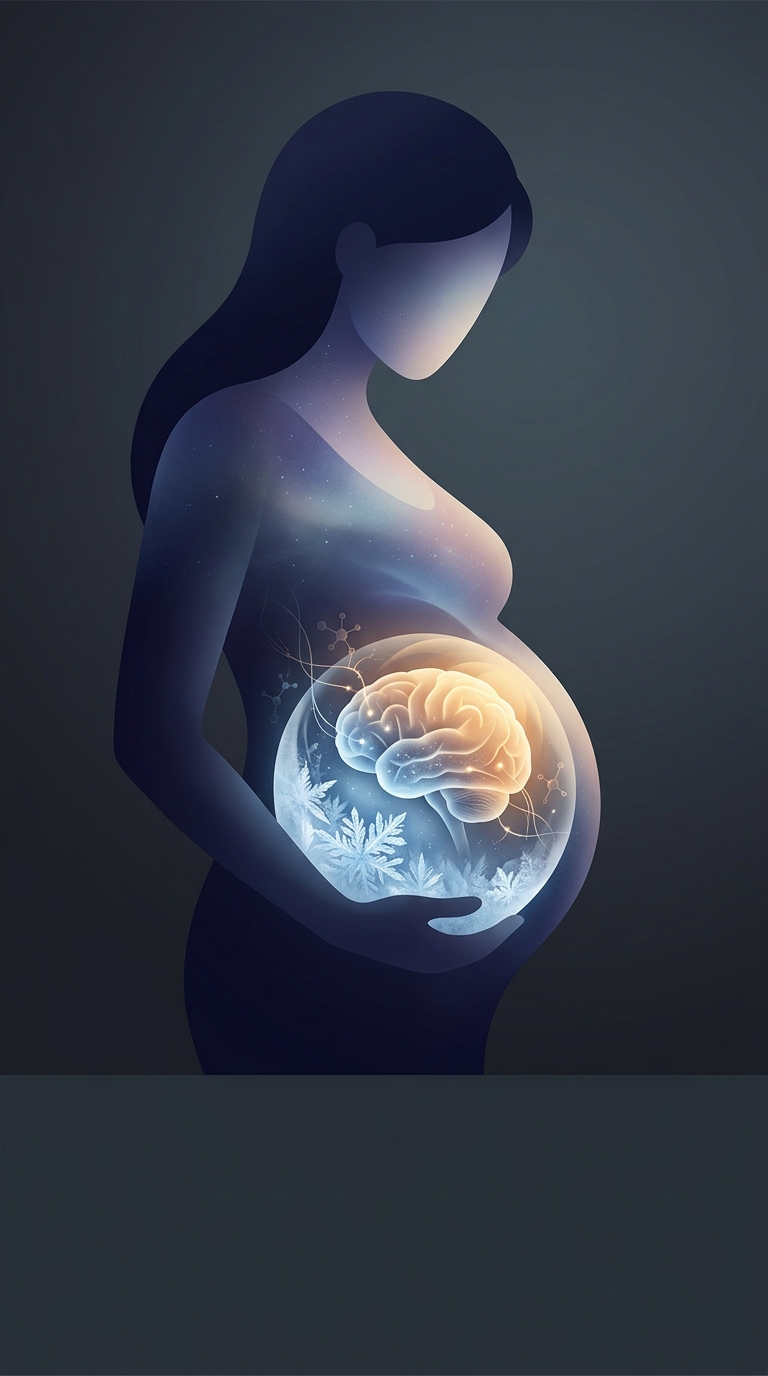
How a Birth Season Could Leave a Small Prenatal Trace
A baby’s birth month also marks the season their mother experienced during pregnancy. That timing can change prenatal conditions: sunlight affects vitamin D production, while infections, temperature, and diet may vary across the year. These factors could influence fetal development, including brain development, though any effects would depend on when in pregnancy an exposure occurred and would not determine a child’s personality.
The Timing Matters More Than the Horoscope
A winter-born baby and a summer-born baby may have encountered different conditions before birth—but “winter” is only a rough label. A pregnancy spans several seasons, and the same calendar month means different things in different hemispheres and climates. Vitamin D, for example, is made in the skin in response to sunlight; its availability depends not just on birth month but also on latitude, time outdoors, diet, and other circumstances.
That makes season of birth a proxy for a bundle of changing conditions, not a single explanation. If a study found a small average difference between people born in different seasons, it could not by itself show which exposure mattered, or whether season caused the difference at all.
Why This Is Not Evidence for Astrology
Astrological personality descriptions assign traits according to a person’s birth date. A possible seasonal influence on development would be a different kind of claim: it would concern environmental conditions during pregnancy, not a celestial sign shaping character. Any such influence would be statistical and indirect, not a reliable way to predict an individual’s personality.
The distinction is important: a birth-season pattern, if present, would point toward ordinary prenatal conditions worth investigating—not proof that a horoscope captures who someone is.