How material gets trapped in tonsil crypts
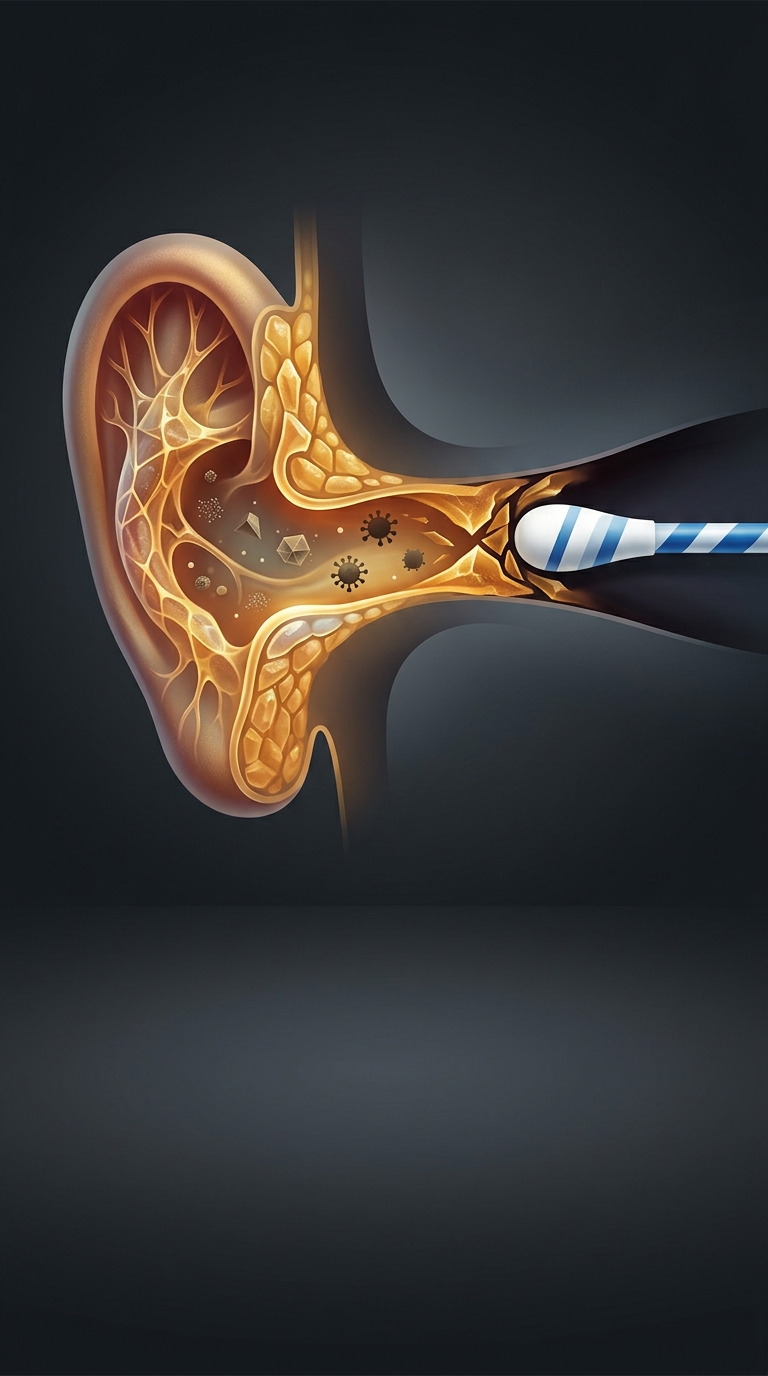
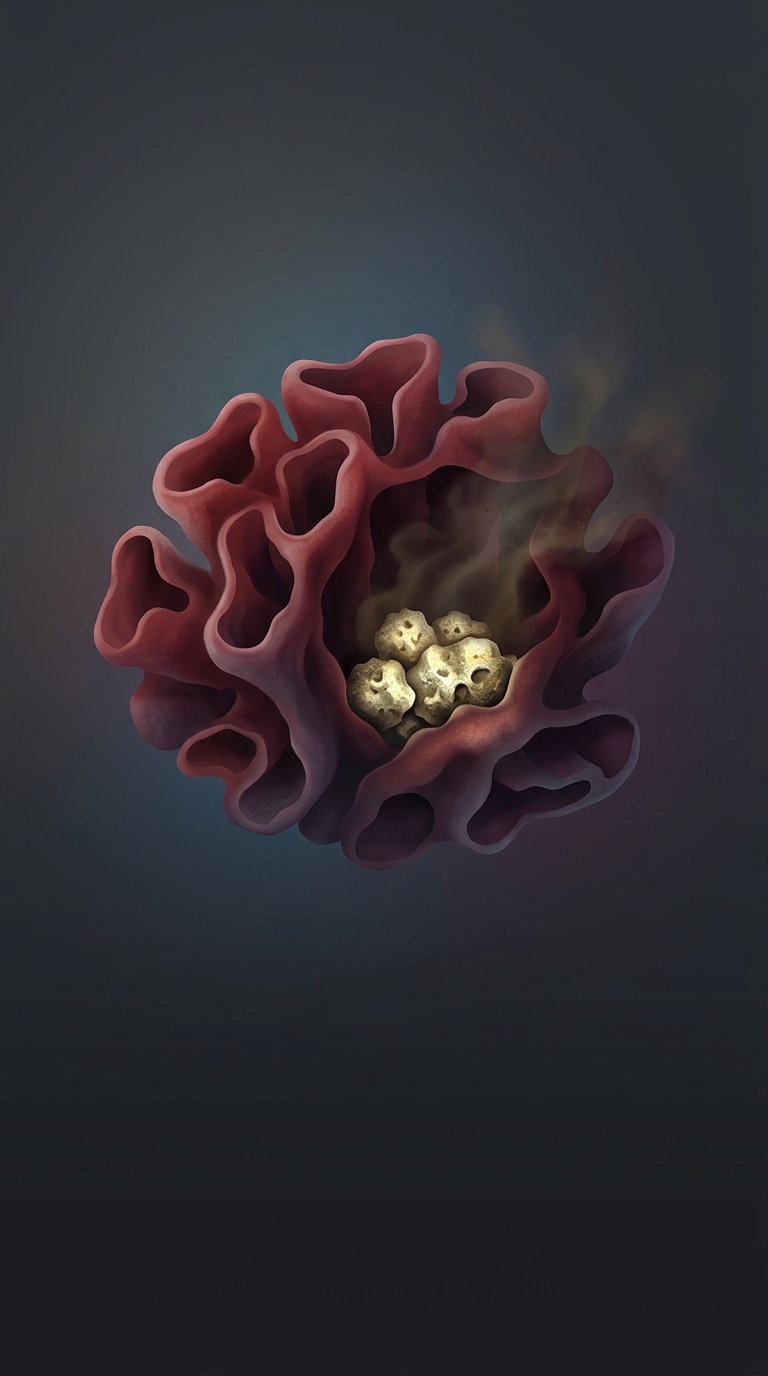
Tonsils are folds of immune tissue at the back of the throat. Their surfaces contain small pockets called crypts, which increase the area exposed to material passing through the mouth and nose. Mucus, shed cells, food particles, and microbes can collect in these pockets. Usually, swallowing and the tonsils’ normal surface shedding clear the buildup. If debris remains, it can compact and harden as minerals—especially calcium salts—accumulate in it. The resulting tonsillolith, or tonsil stone, may look like a small white or yellow pebble.
White blood cells help defend tonsil tissue, but a stone is not simply a pile of dead immune cells left behind after an attack. It forms mainly when trapped material persists and becomes mineralized; bacteria can grow within it.
Why a tiny stone can affect breath
Bacteria in the trapped material can break down proteins and release volatile sulfur compounds—gases with a strong, unpleasant odor. That is why even a small stone may cause bad breath. A stone can also irritate the throat or create the sensation that something is stuck, though many cause no symptoms and are noticed by chance.
Tonsil stones are generally benign, but repeated or painful symptoms deserve attention. Persistent bad breath can have causes other than stones, and a clinician can distinguish them from infection or other throat problems.
Removing one without injuring the throat
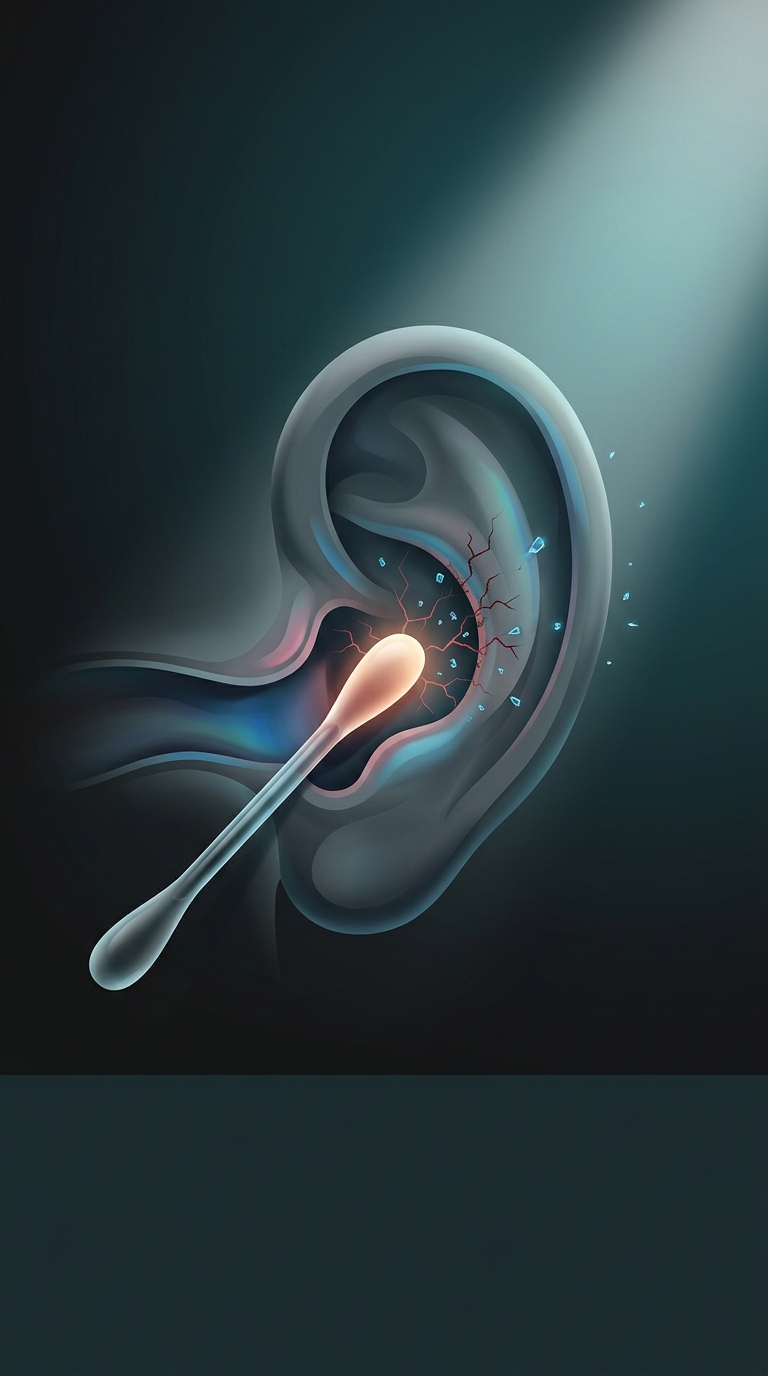
A stone may work loose on its own. Gentle gargling with salt water can help clear debris, but probing deep into a tonsil with a cotton swab or a sharp object can scrape delicate tissue, cause bleeding, or push material farther into a crypt. Seek medical advice for significant pain, fever, trouble swallowing, or persistent one-sided swelling. The stones are usually less concerning than the irritation caused by trying to dig them out.