How the ear cleans itself
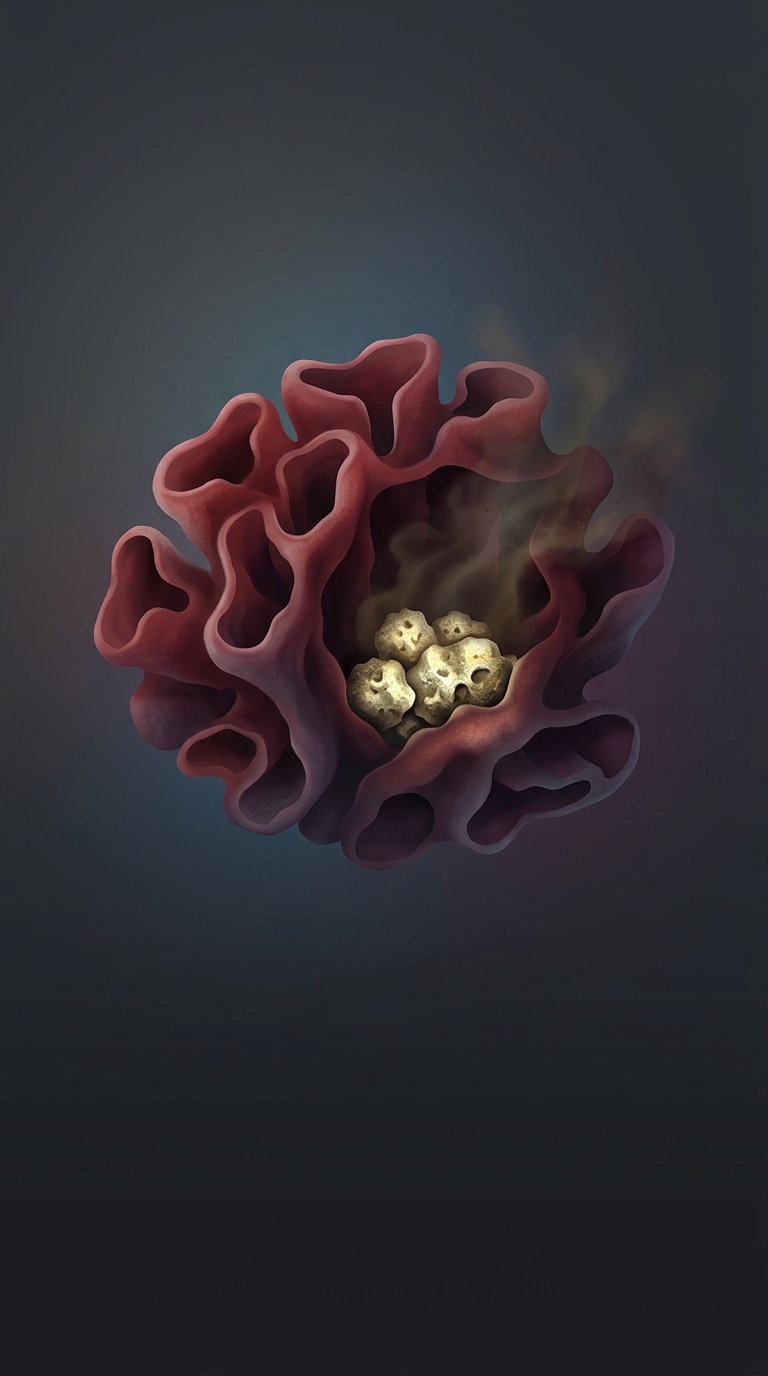
Earwax, or cerumen, forms in the outer part of the ear canal, where tiny hairs and glands add oily and waxy material to shed skin. Its stickiness helps trap dust and other particles before they travel farther inward. Cerumen also helps keep the canal’s skin from drying out and has properties that make the environment less hospitable to some microbes.
The canal is lined with skin that gradually grows outward from deeper areas, much like a very slow-moving surface. As it advances, it carries wax and trapped debris toward the opening. Talking and chewing move the canal’s walls, helping loosen material that has reached the outer ear. For most people, this quiet process clears wax without any special cleaning.
Why a swab can make things worse
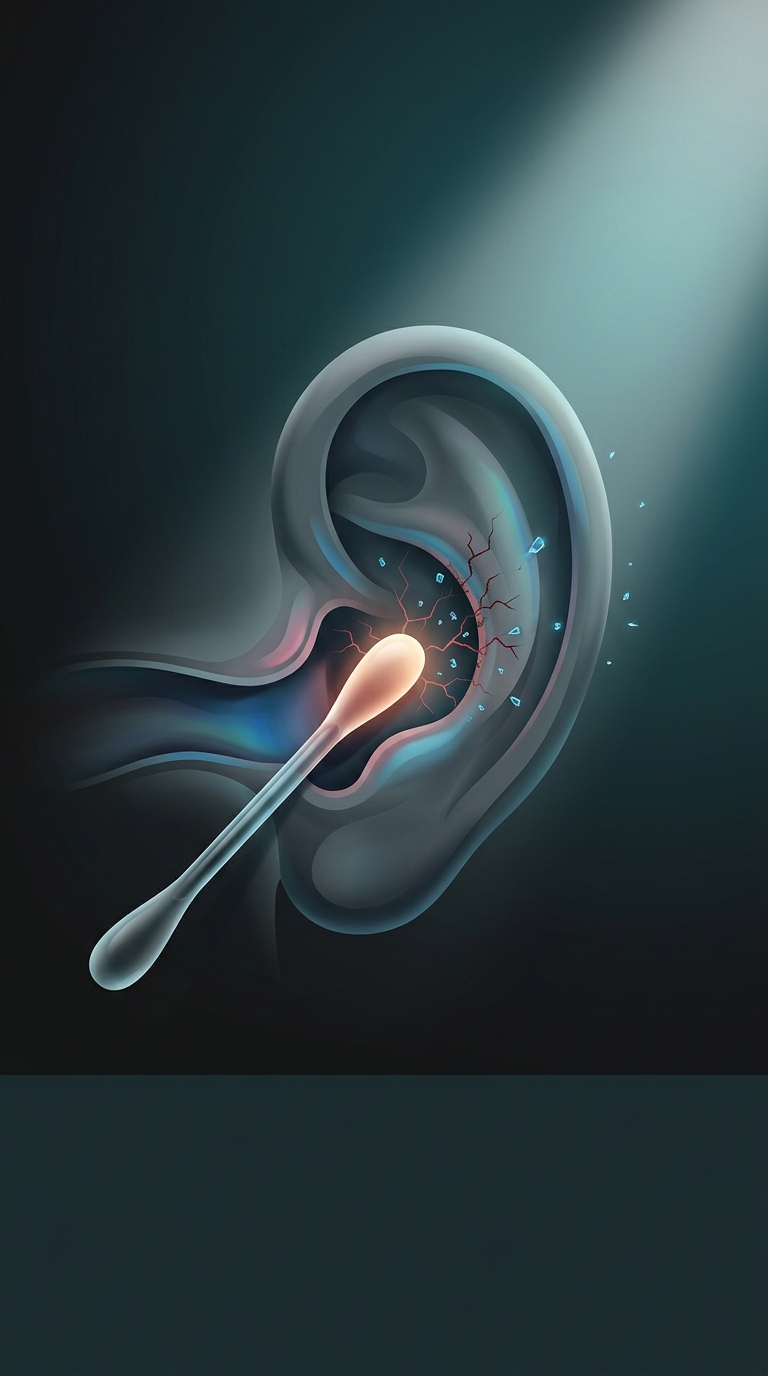
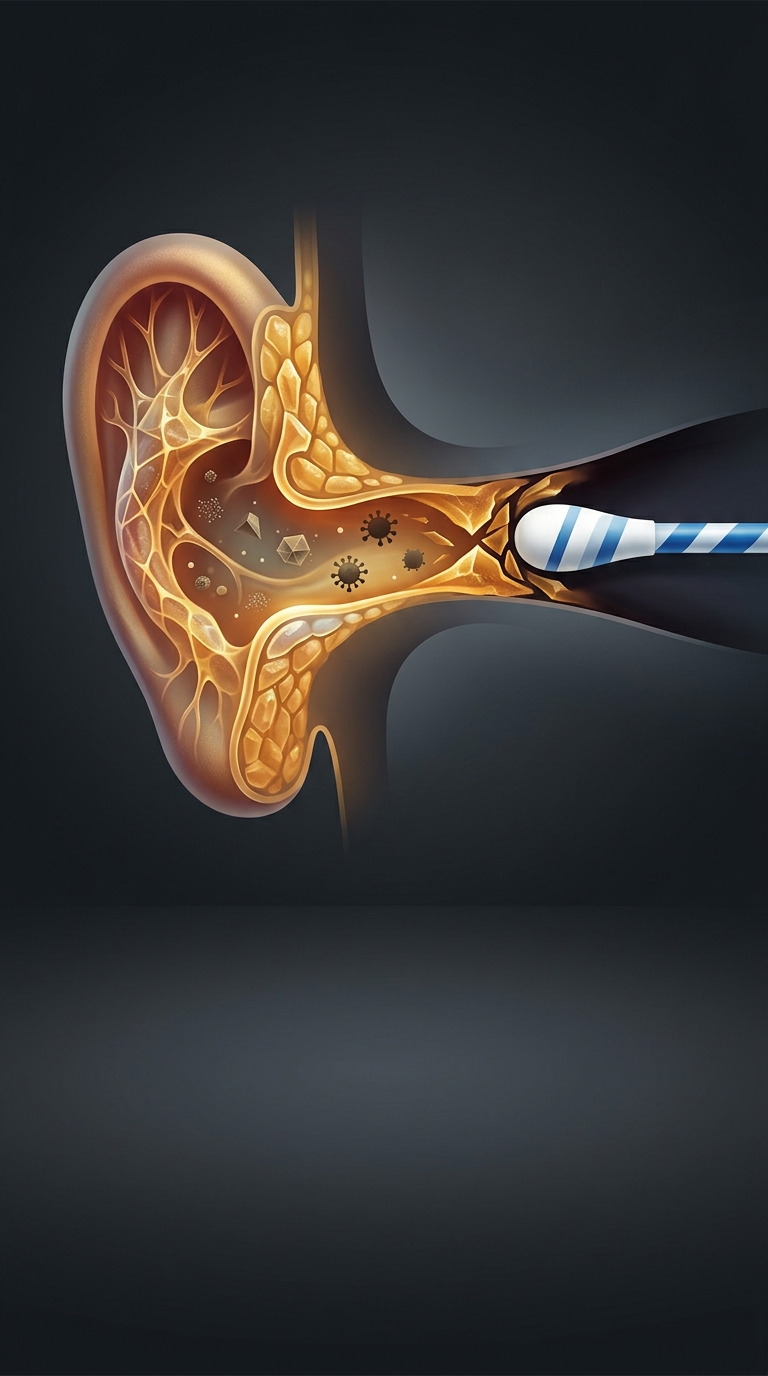
A cotton swab can pick up wax near the entrance, but its tip may also push deeper wax in the opposite direction. The canal is narrow and bends, so repeated attempts to reach inside can pack wax into a firm plug rather than draw it out. That plug may cause a blocked feeling or reduced hearing; inserting a swab too far can also injure the delicate canal or eardrum.
The key distinction is where the wax is: material visible at the opening can be wiped away gently, but the deeper canal generally does not need to be scrubbed. If wax becomes troublesome, a clinician can assess the blockage and remove it with suitable tools. The ear’s built-in conveyor works best when it is not interrupted by pushing its cargo back inward.