One gene affects two kinds of secretion
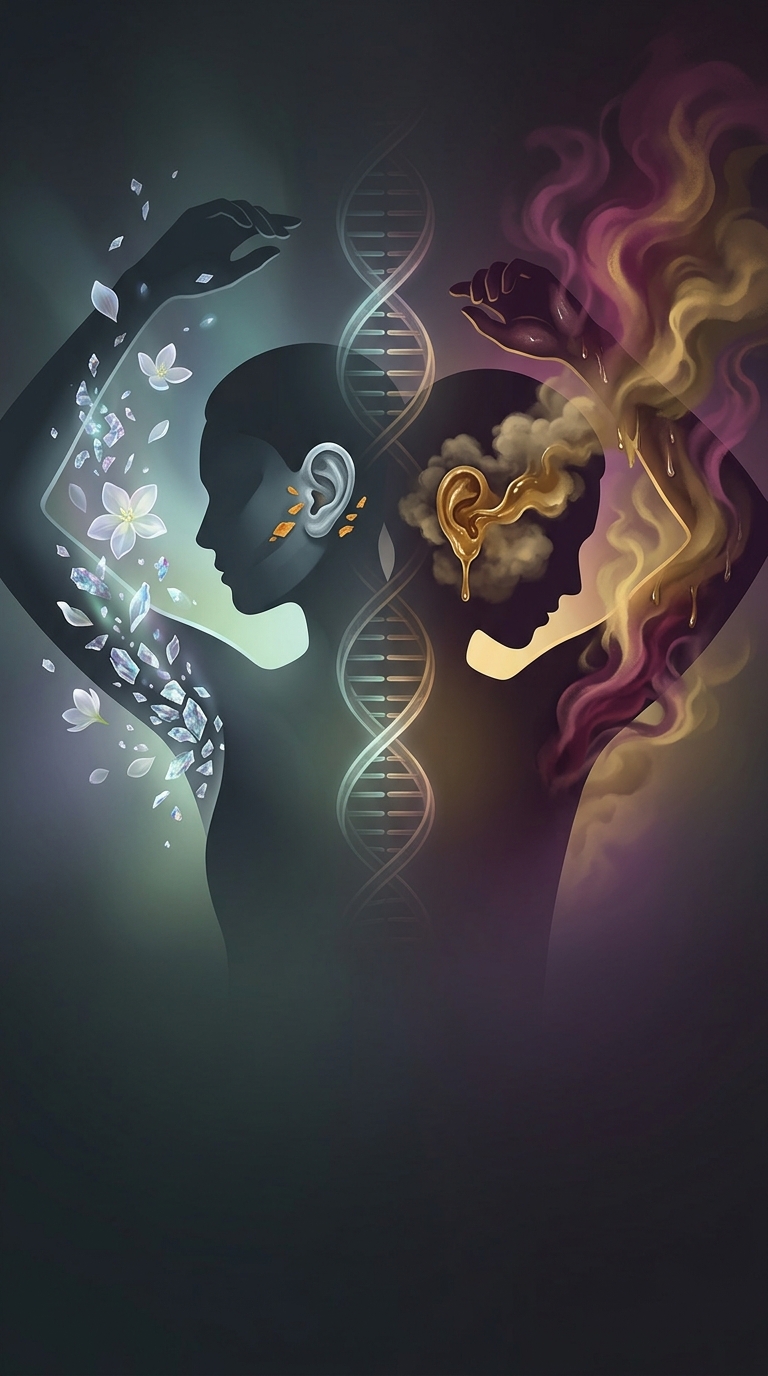
A variant in ABCC11 changes how certain cells release substances onto the body’s surface. Its effects show up in two places: in the type of earwax a person makes and in the secretions of apocrine glands, which are concentrated in areas such as the armpits.
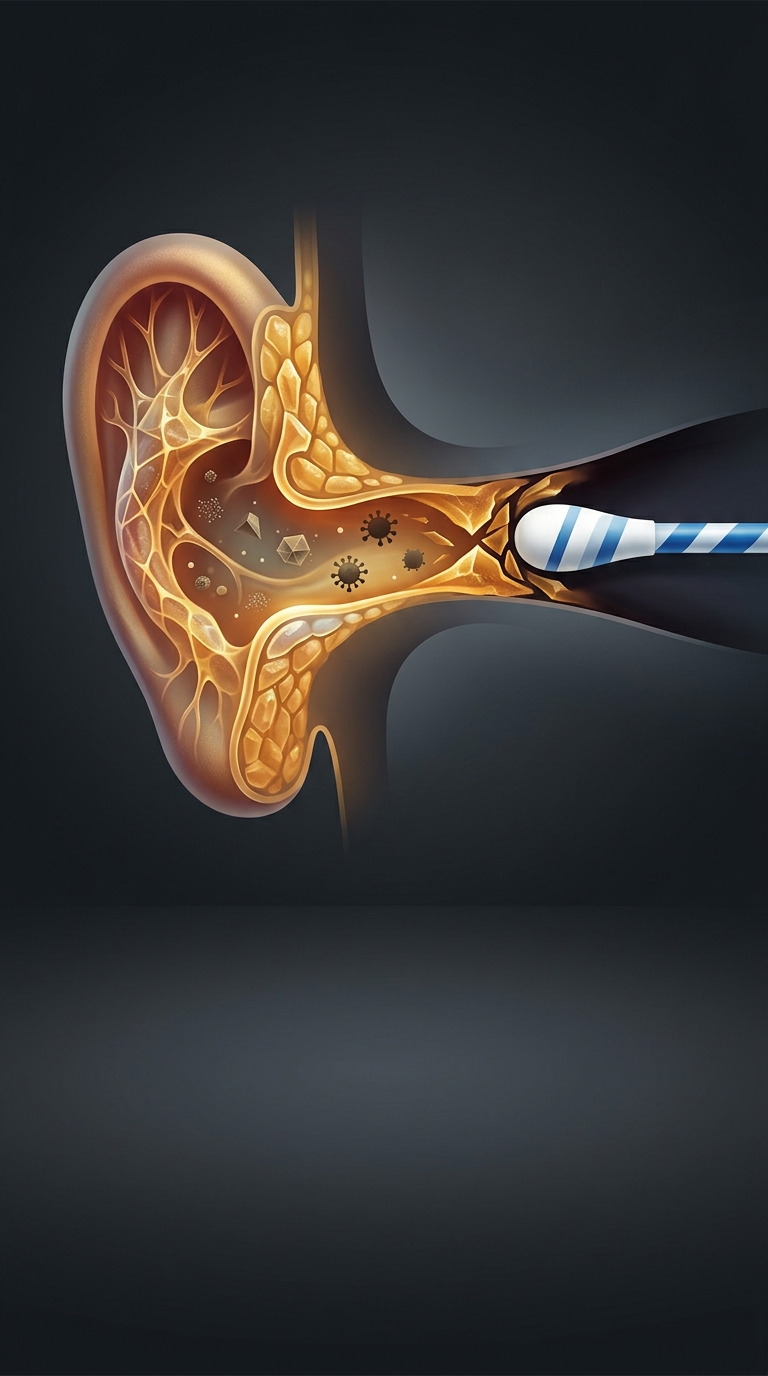
Earwax is not simply dirt. It is a mixture of glandular secretions and shed skin that helps trap particles in the ear canal. With the variant associated with dry, flaky wax, the wax contains less of a particular secreted component. The same genetic change also reduces the release of odor-related compounds from apocrine glands.
Where body odor comes in
Fresh apocrine secretions are not necessarily strongly scented. Skin bacteria break down some of their components, producing compounds that contribute to underarm odor. When the glands release less of those materials, bacteria have less to work with, so odor tends to be weaker.
That is a tendency, not a personal scent forecast. Body odor also depends on factors such as skin bacteria, hygiene, clothing, and other biological differences. The gene does not dictate a complete odor “profile”; it helps explain one influential part of the process.
The connection is a reminder that a visible trait can reveal something about a less obvious body process: the same inherited change that alters the texture of earwax can also change what underarm bacteria have available to break down.