A shortcut through the intestine with a steep biological cost
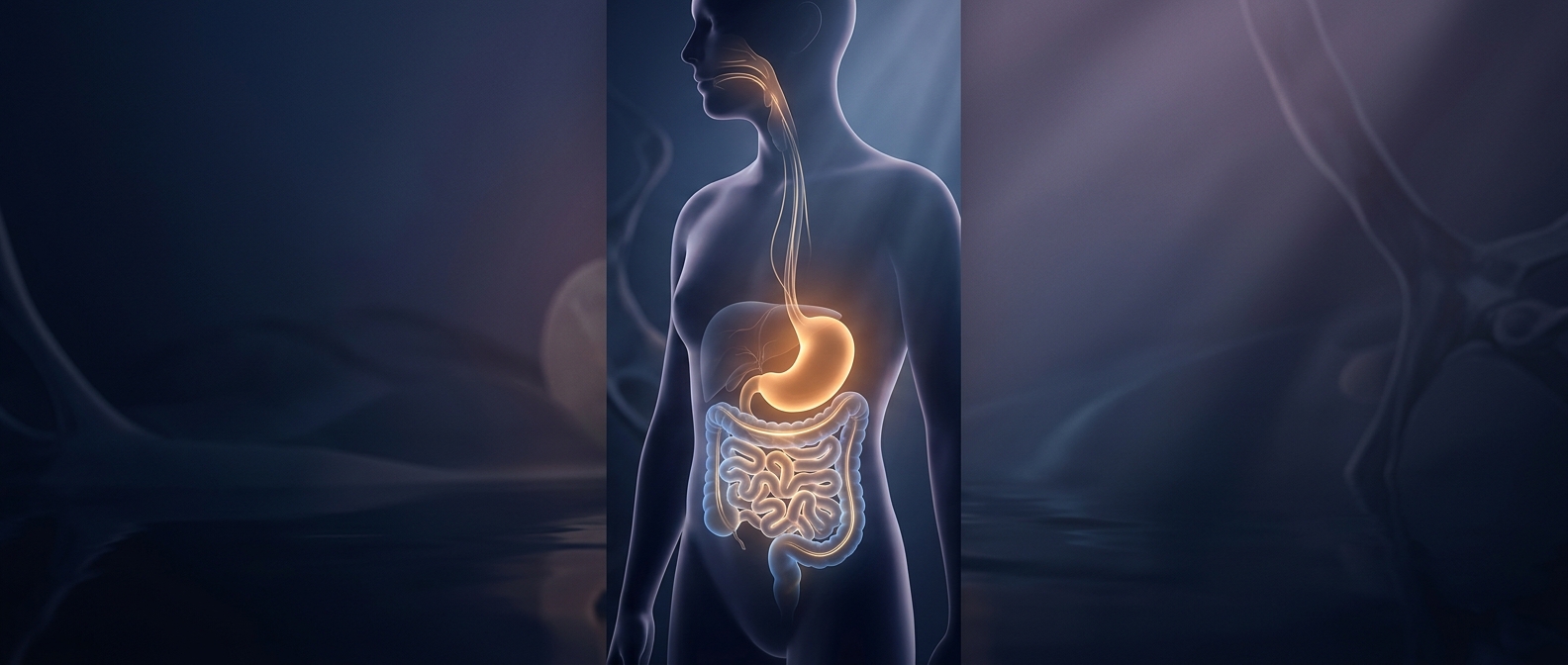
The jejunoileal bypass was designed to make weight loss happen by reducing absorption. Surgeons connected the upper small intestine to a much lower section, leaving most of the intestine out of the route food normally traveled. Calories were lost in stool—but so were nutrients the body needs to maintain muscles, blood, and organs.
That broad malabsorption could cause persistent diarrhea and dangerous deficiencies. It also changed what happened to minerals in the gut. When unabsorbed fat binds calcium, more oxalate—a substance found in many foods—can remain free to enter the bloodstream and pass into urine, where it may form kidney stones.
Why the liver could fail
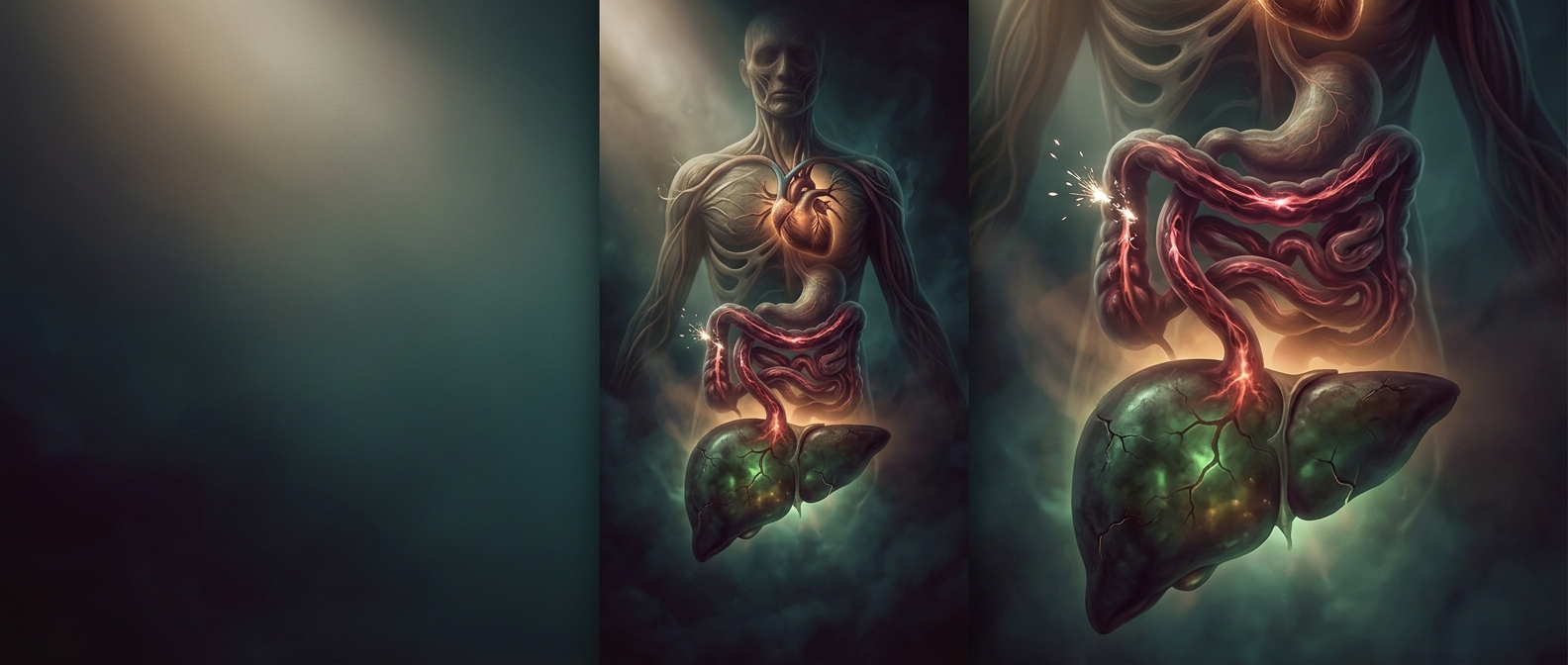
The liver depends on nutrients arriving from digestion to process fats and maintain its own tissue. With a bypass this extensive, some patients developed severe protein and vitamin deficiencies, while the altered flow of food through the intestine could also affect the liver’s exposure to nutrients and bacterial products. The resulting liver injury could become progressive and, in some cases, lead to liver failure.
The danger was not simply that the operation made people lose too much weight. It was that it achieved weight loss by disabling a large part of the body’s normal absorptive pathway. The same design that kept substantial calories from entering the body could also deprive organs of what they needed to function. Serious complications made the procedure untenable, helping shift bariatric surgery toward approaches that did not bypass so much of the small intestine.