The intestine takes over—but not every stomach function
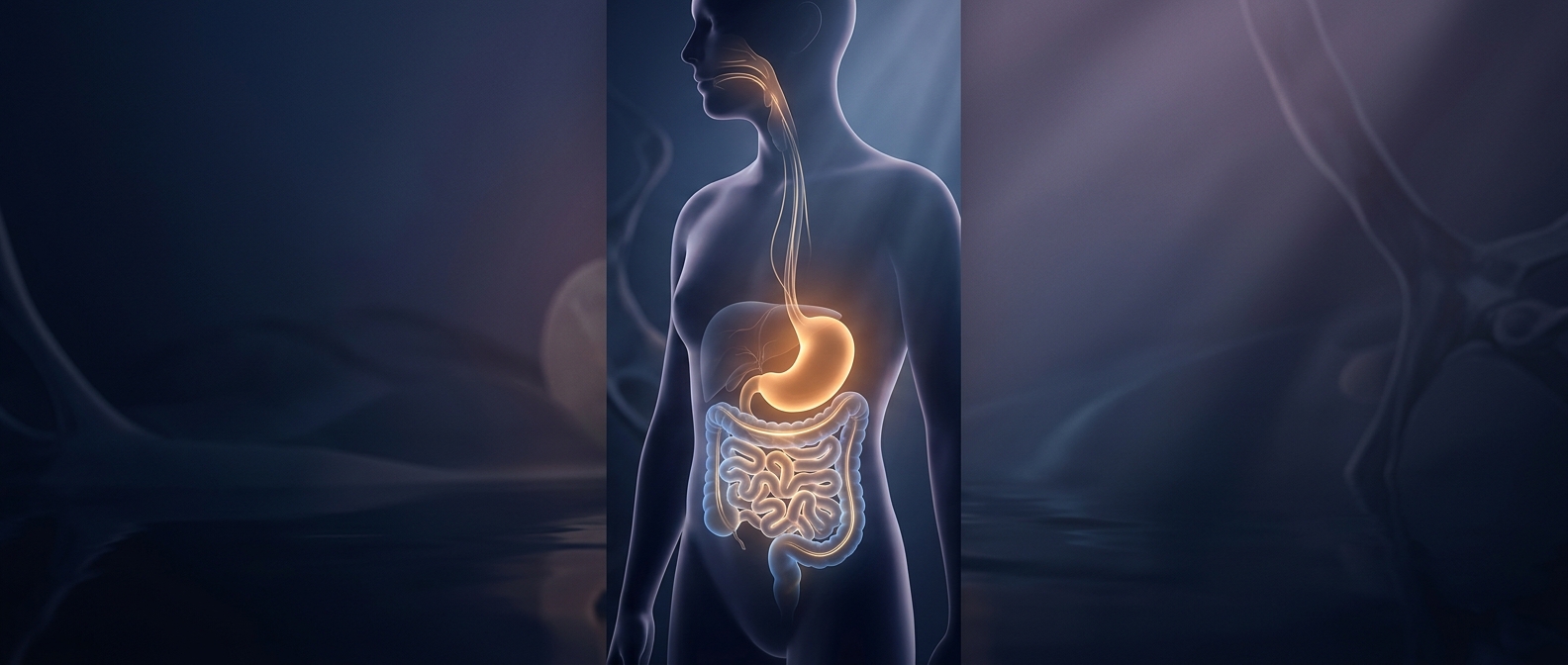
Food can still be digested without a stomach, because most digestion and nearly all nutrient absorption happen farther along, in the small intestine. The stomach normally acts as a mixing chamber: it churns food with acid and releases it gradually. After removal, the small intestine receives meals with less of that preparation and without the stomach’s storage capacity.
That changes the pace of eating. A large meal can move into the intestine too quickly, sometimes causing cramping, nausea, diarrhea, dizziness, or a racing heartbeat—a group of symptoms often called dumping syndrome. Smaller meals, eaten slowly and more often, reduce the sudden load. People may also need to adjust what they eat and drink based on their symptoms and weight changes.
Replacing what the stomach supplied
The stomach also helps the body absorb certain nutrients. Its cells make intrinsic factor, a protein needed to absorb vitamin B12 in the lower small intestine. Without it, B12 deficiency can develop unless the vitamin is provided another way, such as injections or high-dose supplements. The stomach’s acid also helps make iron available for absorption, so clinicians may monitor iron and other nutrient levels and recommend supplements when needed.
These needs can change over time. Follow-up blood tests help catch deficiencies before they cause problems such as anemia, fatigue, or nerve symptoms. The exact plan depends on the person’s operation, diet, and test results.
Eating becomes a practiced routine
Recovery is not simply a matter of choosing smaller portions once. People often begin with liquids or soft foods and gradually expand their diet as healing allows. Over time, they learn which foods feel comfortable, how much they can eat at once, and whether drinking with meals worsens symptoms. The intestine can handle the work of digestion, but meals must arrive in a form and at a pace the body can manage.