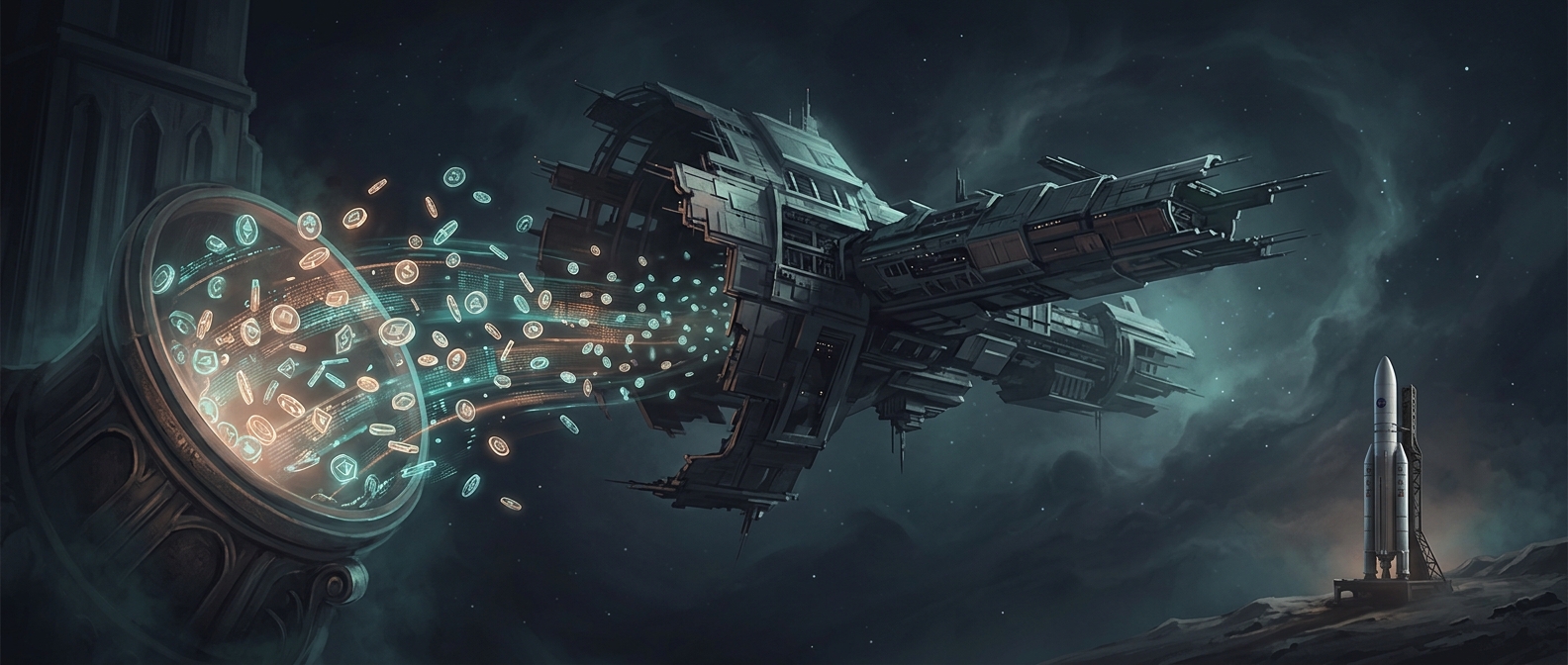
How a spaceship became a funding model
In a conventional crowdfunding campaign, people contribute toward a defined project and may receive a reward when it is finished. This sci-fi game’s model has been more open-ended: players can spend real money on digital spacecraft while development continues. The ships are designed for use in the game, so the sale offers both a collectible and a promise of a future in-game role.
That turns the game’s fictional fleet into a source of real-world financing. Instead of relying only on an initial campaign or a publisher’s budget, its creators can keep bringing in money from fans who want particular ships or want to support the project.
Why the total can keep growing
A spaceship is more than a picture in a store. In a large online game, a ship may need a distinct appearance, interior, controls, and function within the game’s systems. New designs can therefore serve as both development goals and products that appeal to different kinds of players.
The model also changes the timing of a purchase. People can buy into an idea before every planned feature is finished, helping finance work that may take years. That makes the funds resemble a continuing stream of sales more than a one-time donation drive—and makes the project’s scale and schedule especially important to the people paying in.
A virtual fleet, real stakes
The comparison with space-program budgets is striking because the products are digital, but the money is not. Supporters are helping pay for a privately developed game, not a government mission to launch spacecraft. Their purchases can sustain ambitious development; they also tie the project’s progress to expectations built around ships sold for a game still being made. The fleet exists as a marketable promise before it can fully exist as a playable one.