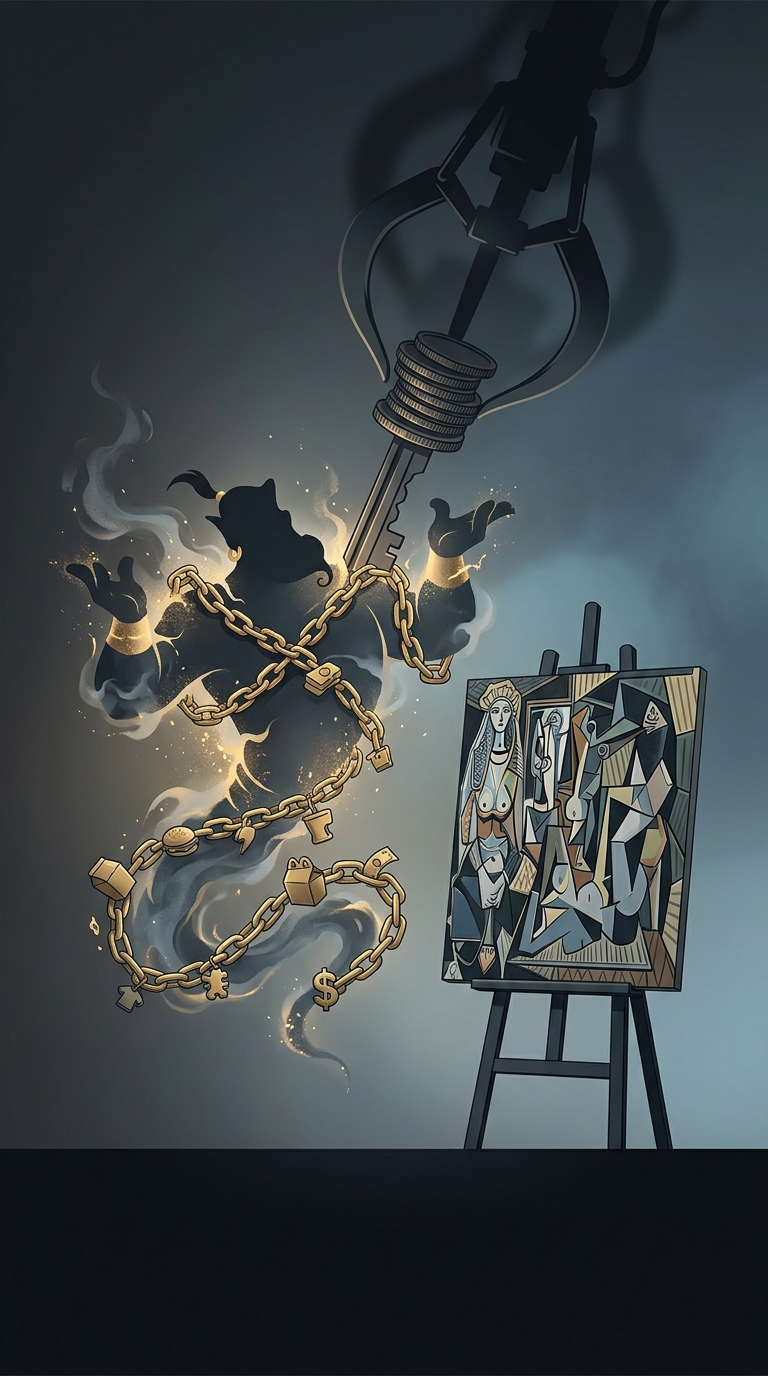
Why Snow White’s Voice Became a Studio-Controlled Asset
Adriana Caselotti’s voice helped define Disney’s first feature-length animated heroine, but the studio treated that distinctiveness as something to protect. Her contract sharply limited her ability to take other singing or acting work in media. The arrangement reflected an early Hollywood power imbalance: a performer could become famous through a role while having little freedom to build a separate screen career.
A Voice That Could Not Easily Be Reused
Animation made Caselotti’s contribution unusual. She supplied the character’s voice without appearing on screen, so audiences could recognize the performance without necessarily knowing who had made it. Keeping her from taking similar roles helped preserve Snow White’s voice as something associated with the film rather than a sound audiences might hear attached to another character.
That control had a cost for the performer. Caselotti received $970 for her work, while restrictions on outside roles narrowed the opportunities she could pursue afterward. A successful film could continue reaching new audiences, but the actor behind one of its most memorable elements did not automatically share in that ongoing value.
The Tradeoff Behind a Lasting Performance
Caselotti’s case shows how animation could turn a voice into a defining part of a character—and how a studio contract could give the company substantial control over that voice. The film’s enduring success made Snow White instantly recognizable; the same association that preserved the character’s identity also helped keep its performer closely tied to a single role.