Why a blink doesn’t look like a blackout
When your eyelid closes, it briefly blocks incoming light. Yet you usually don’t experience a flash of darkness. Your brain dampens visual processing around the blink, making it less likely that the sudden drop in light will reach awareness as a distinct event. This is called blink-related visual suppression.
The brain smooths over the interruption
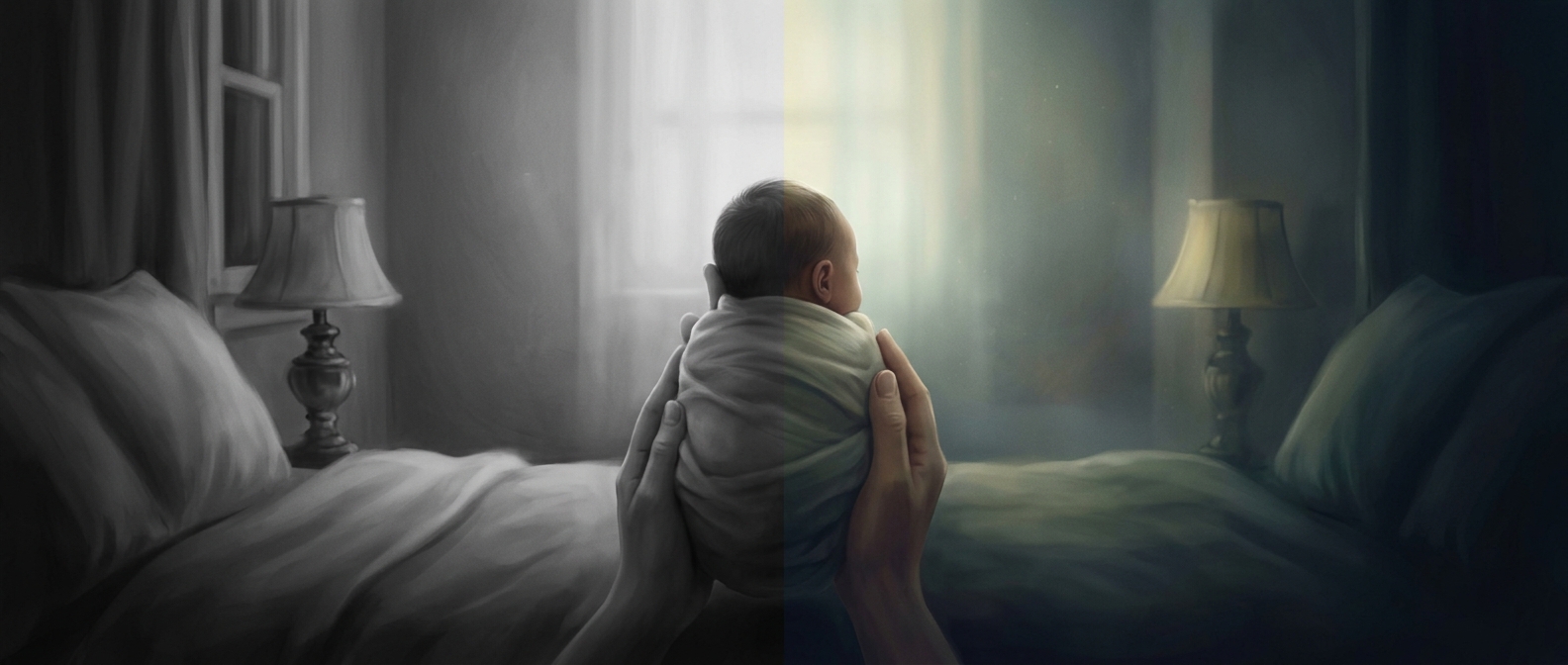
A blink lasts only a fraction of a second, and the visual scene before and after it is usually nearly the same. Your brain uses that continuity to maintain a steady impression of what you’re looking at rather than treating each blink as a new gap in the scene. It is not projecting a detailed replacement image behind your closed eyelid; it is keeping a brief interruption from feeling like a major change.
The effect resembles what happens during a quick eye movement: vision becomes less sensitive to some changes while the eyes shift, helping the world seem stable rather than streaking across your view. The result is practical—the eyelids can clear and protect the eye without making ordinary seeing feel like a repeated sequence of light, darkness, and light again.