Why the View Came With a Draft
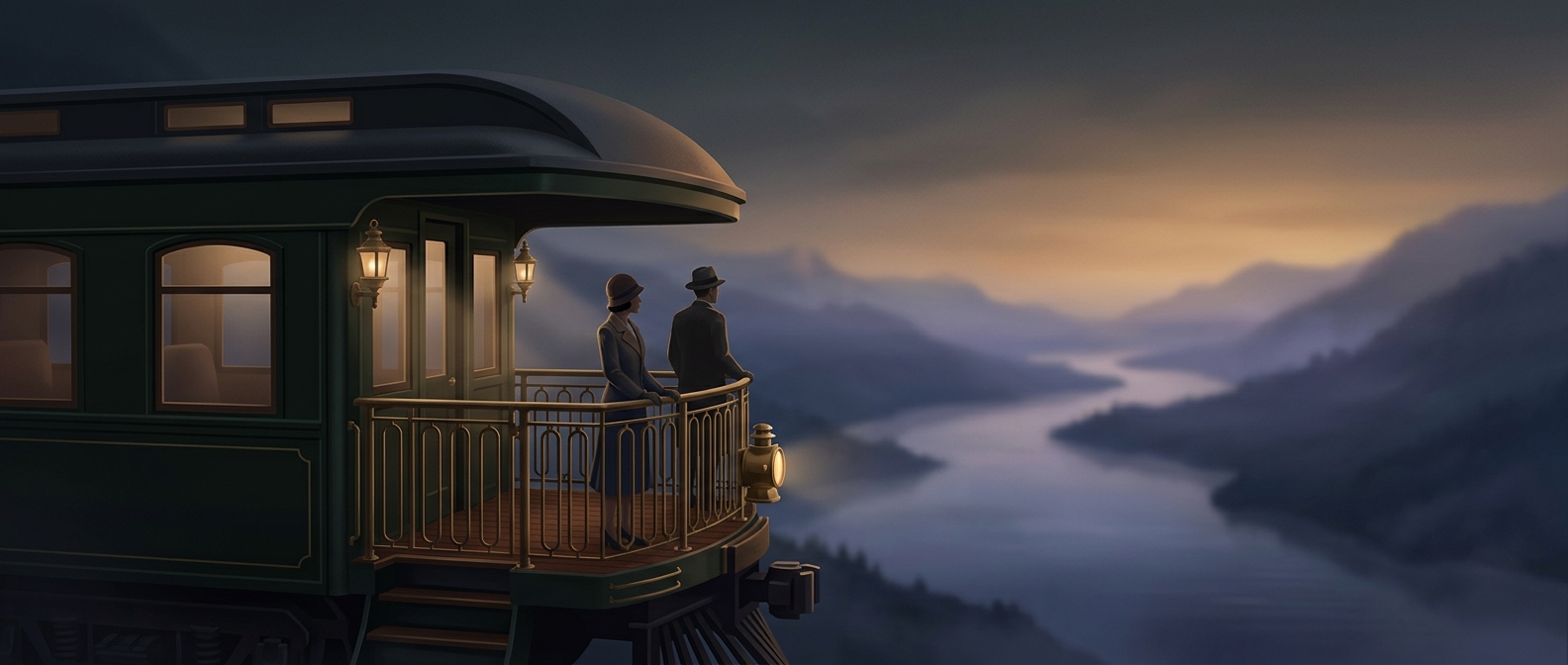
An open observation car made the landscape feel close: air moved freely through the car, and nothing stood between passengers and the passing countryside. But on a steam-powered train, that same openness exposed riders to the machinery’s exhaust. Smoke carried soot, while small, hot cinders could drift back from the locomotive. At speed, insects and windblown grit joined the discomfort.
The problem was not simply that the ride felt rough. Soot could settle on clothing and luggage, and a cinder or bug striking a passenger was a small but immediate reminder that the train’s outdoor setting was not a controlled one. The faster the scenery swept by, the more exposed the open car felt.
Glass Changed the Passenger’s Relationship to the Landscape
Windows created a barrier without giving up the view. They kept much of the smoke, debris, and weather outside, making it possible to watch the scenery from a sheltered interior rather than from the open air. The tradeoff was a less direct experience: passengers now looked through glass, which could be dirty or reflective, instead of feeling the wind and sounds of the route firsthand.
That change captures a broader design choice in rail travel: whether the journey should bring passengers into the landscape or protect them from it. Open observation cars made the outside feel immediate, but glass made looking out comfortable enough to do for longer. The view remained; the cinders no longer had a clear path to the passenger.